What Is Isekai? A Beginner's Guide to Another-World Fiction
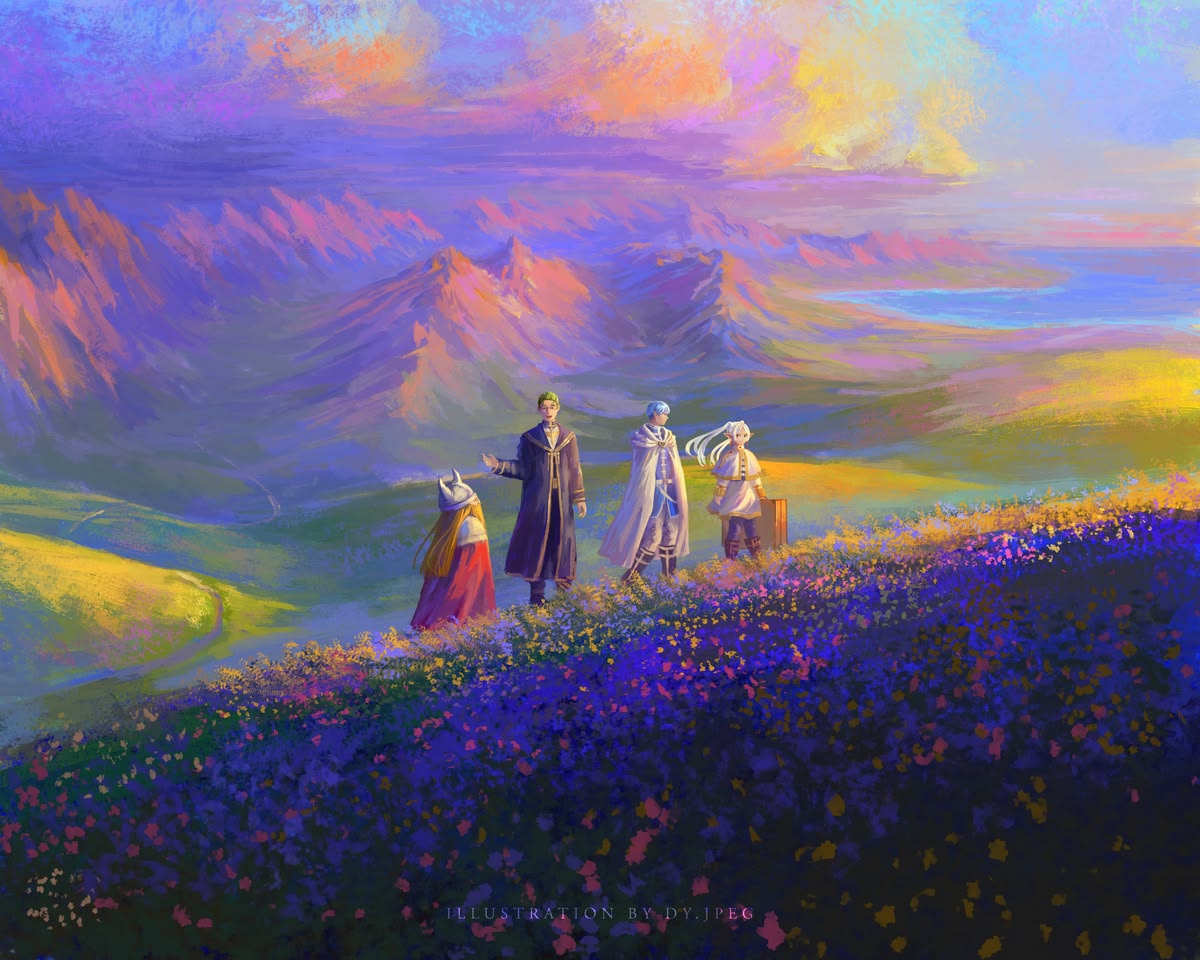
At some point in the last decade, a single Japanese word went from fan-community jargon to a genre label that shows up on bookstore shelves, streaming categories, and best-seller lists: isekai. If you have seen the word attached to a story and wondered what it actually commits a book to, the short answer is simple. Isekai means "another world," and an isekai story is one where a character crosses from their own world into a different one. Everything else, the trucks, the cheat skills, the villainess redemptions, is an optional add-on to that one core move.
The long answer is more interesting, because isekai is less a genre than a premise engine, a single opening move that can produce comedy, horror, romance, farming sims, political epics, and parodies of all of the above. Understanding what isekai is really requires understanding why the move works, which subtypes it has spawned, and why web fiction is where the genre actually lives now.
What Isekai Actually Means
The word is a compound of ise (different) and kai (world), and it describes the transit, not the destination. A character leaves their world and arrives in another. How they get there varies: summoned by a ritual, hit by a vehicle, reincarnated after death, trapped inside a game, or simply waking up in a body that is not theirs. What makes it isekai is the crossing itself, a protagonist carrying the reader's frame of reference into a world that does not share it.
That last part is the trick. The isekai protagonist is a built-in audience surrogate: they arrive knowing roughly what you know, which means the world can be explained to them honestly, and to you through them, without clumsy exposition. The genre's famous opening beats (waking in a field, a goddess explaining the rules, a status screen appearing) are all solutions to the same technical problem: how do you onboard a reader into an alien world in the first chapter without losing them?
It is also worth clearing up what isekai is not. A portal fantasy is the older Western cousin, and the two overlap heavily, but isekai as a label carries conventions portal fantasy never had: game mechanics baked into the world, reincarnation with memories intact, and a self-aware relationship with its own tropes. The genre knows exactly what it is, and a lot of modern isekai is commentary on the form as much as an example of it.
The Subtypes That Matter
"Isekai" covers so much territory that the useful question is which kind you are looking at. These are the branches readers actually shop by, each illustrated with a serial from NovelDay. Entries are ordered by reading time, longest first.
1. The Shattering Point by UltraVersion2.1
The subtype: the world comes to us.
28.0-hour read · 81 chapters
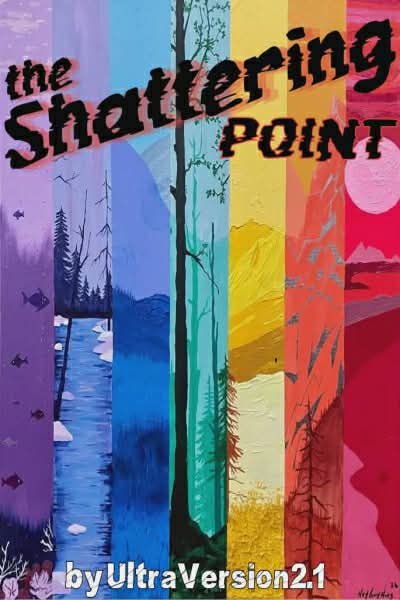
Genres: fantasy, action, adventure. Read it here.
2. The System Administrator by eightbits
The subtype: the system-governed world.
24.9-hour read · 192 chapters
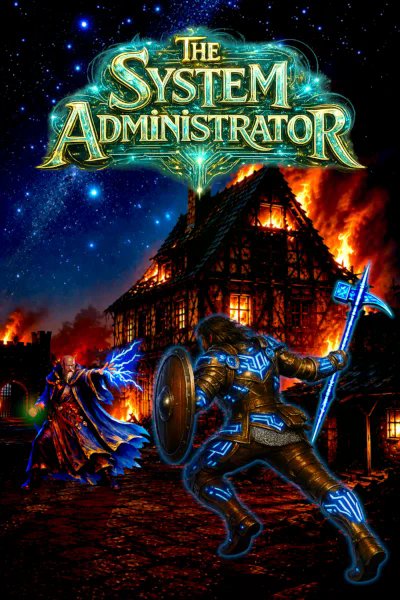
Genres: isekai, fantasy, adventure. Read it here.
3. The Dark Lord Saved the Heroine by JesterLegacy
The subtype: the wrong-role isekai.
11.8-hour read · 76 chapters
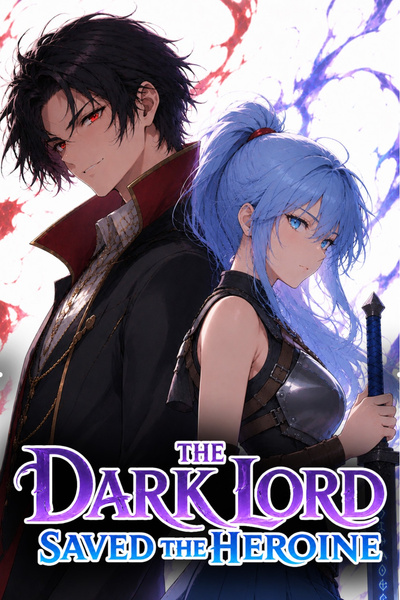
Genres: comedy, fantasy, adventure. Read it here. It also anchors the most literal end of our villain protagonist picks — the world's designated final boss, followed from the inside.
4. Welcome Traveler by Discount Store Hero
The subtype: the summoned traveler.
5.3-hour read · 50 chapters
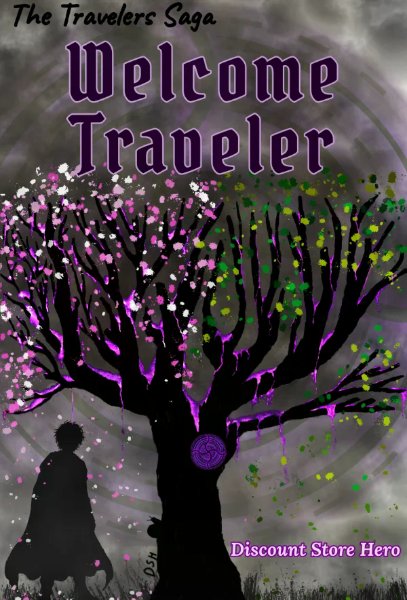
Genres: fantasy, adventure, mystery. Read it here.
5. Princess Possession by Wamba2K
The subtype: reincarnated into someone else's life.
4.8-hour read · 22 chapters
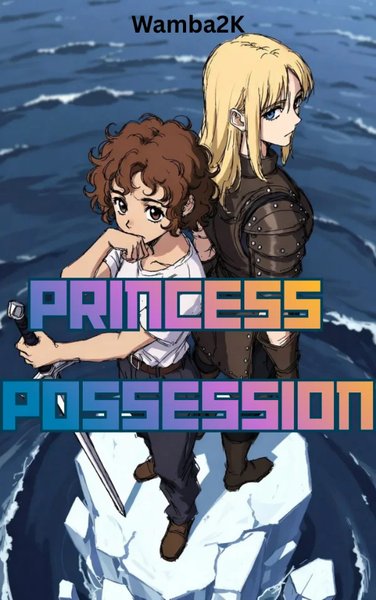
Genres: fantasy, isekai, action. Read it here.
6. The Sanguine Queen: How I Reincarnated as the Strongest Vampire Character by Kurayami
The subtype: reincarnated as the monster.
5.2-hour read · 37 chapters
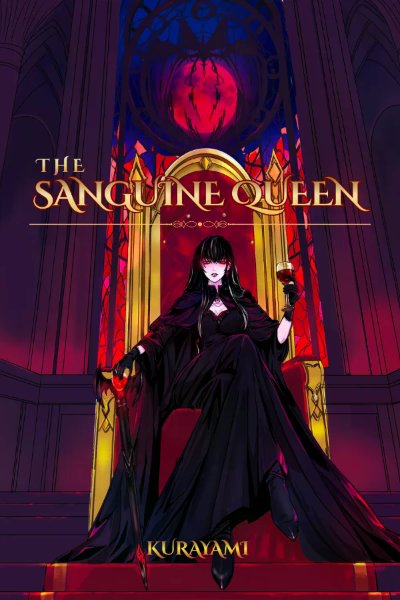
Genres: isekai, fantasy, action. Read it here.
7. I Was Isekai'd with My Wife and Now She's the Final Boss of the Fandom by H. Behevras
The subtype: the parody.
4.0-hour read · 20 chapters
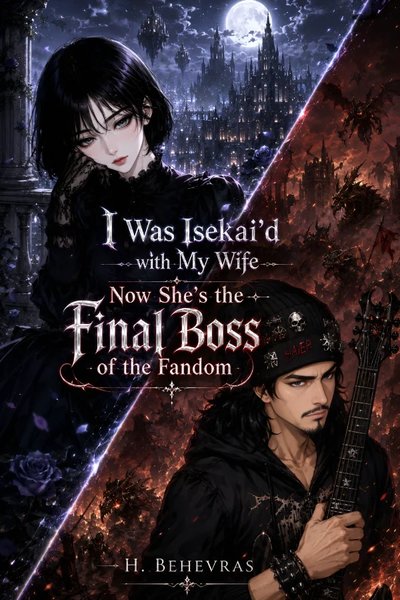
Genres: comedy, isekai, fantasy. Read it here.
It also leads our comedy fantasy picks, the same parody voice stretched to full length.
Isekai vs. Portal Fantasy vs. Transmigration
Three labels get tangled together in this space, and untangling them helps you shop. Portal fantasy is the oldest term: a door opens between worlds and a character walks through. Narnia is the textbook example. The emphasis is on the crossing as an adventure premise, and the worlds tend to be standalone inventions. Isekai shares the premise but carries a different load of conventions: reincarnation with memories intact, worlds governed by game-like rules, and above all a self-aware relationship with its own tropes. An isekai knows what it is, and most modern entries are at least partly commentary on the form.
Transmigration is the subtype where the transit happens into a body or a role rather than a place: waking inside a novel you once read, inside the villainess destined for the guillotine, or inside a life that was already running. It is isekai's fastest-growing branch in web fiction, and it generates a different kind of story because the protagonist arrives with foreknowledge, or inherits a role with a script already written. A summoned hero learns the world; a transmigrated soul has to survive inside a part someone else cast. Princess Possession above is the second shape in action, and the branch as a whole is one where web serials are years ahead of print publishing.
Why the Genre Took Over Web Fiction
Isekai and serialized web fiction fit each other almost suspiciously well, and the reasons are structural. A serial needs a protagonist who can learn the world at chapter pace, and isekai supplies one for free. A serial needs a clear escalation engine for a story that may run hundreds of chapters, and the new-world learning curve (levels, skills, factions, survival) is a ready-made one. And a serial audience needs a strong opening hook, which is why the genre's first-chapter conventions are so aggressive: the transit happens fast, usually within a page or two, because a serial cannot afford to keep the reader waiting through an ordinary-life prologue.
The genre also benefits from the feedback loop we have written about elsewhere: serial readers tell authors immediately when a trope lands or dies, and isekai, being the most trope-dense genre in web fiction, evolves fast under that pressure. The parodies exist because readers got fluent; the subversions exist because the default became predictable. If you want to see that evolution in action, the isekai shelf in the NovelDay library is a live cross-section of where the genre is right now.
Isekai Beyond Anime: Where the Label Came From and Where It Lives
Most people meet the word through anime, which is why search results for it skew toward watchlists. But the word's natural habitat has always been prose. The genre's modern wave began in amateur Japanese web fiction, on posting sites where hobbyist serials ran long, updated fast, and treated game mechanics and reincarnation as standard furniture before television ever got involved. Anime popularized the label; web novels industrialized it.
That matters for readers because the prose version is where the genre's experimentation happens, months or years before the screen version exists. The novel-transmigration villainess, the reincarnated-as-a-vending-machine premise, the married-couple parody: these are all web-fiction innovations that anime eventually picks up years later. If you want the frontier rather than the adaptation, serial fiction is where to look, and much of what dominates the charts there has not been adapted and never will be. That frontier moves fast, because a serial author can test a strange premise on real readers within a single chapter and keep it only if it lands.
Once you are fluent in isekai, its neighboring genres open up quickly. Eastern cultivation fiction is the most common next step — our wuxia vs. xianxia explainer sorts out the two labels readers mix up most — and the gentler end of the genre bleeds straight into cozy fantasy, where the transported hero opens a coffee shop instead of a war front. If quiet everyday fiction is the register you read for, our slice-of-life books list gathers the everyday end of that shelf.
Questions New Isekai Readers Ask
What does isekai literally mean? "Different world" or "another world," from ise (different) plus kai (world). The label describes the transit: a character crosses from their own world into another one. Everything else, game mechanics, cheat skills, demon lords, is convention built on top of that single move, not part of the definition itself.
Is every portal fantasy an isekai? Technically the premise overlaps, but the label carries different expectations. Portal fantasy (Narnia, Alice) is the older Western form; isekai comes with conventions the older genre never had: reincarnation with memories intact, game-like mechanics inside the world, and a self-aware relationship with its own tropes. In practice, if a story knows it is an isekai and plays with the tropes, readers call it isekai.
Why do so many isekai start with a truck? Truck-kun, as fans call it, is the genre's most efficient death-and-transit device: abrupt, believable, and over in a paragraph. Serial fiction has no patience for long prologues, and killing the protagonist instantly is the fastest route to the new world. It has become so standard it is now mostly a joke, and many stories parody it or skip it entirely.
What is a "cheat skill" in isekai? The overpowered advantage the protagonist receives on arrival, whether it is a unique ability, infinite magic, or a system only they can use. It is the genre's default reward structure, and it exists because the new world has to give the protagonist some reason to matter. The grounded branch of the genre deliberately withholds it: a protagonist with no cheat skills has to survive on wits, which is its own pleasure.
What is the difference between isekai and LitRPG? Orthogonal axes. Isekai describes where the character is: another world. LitRPG describes how the world works: visible game mechanics, levels, status screens. Many stories are both, a summoned hero with a stat sheet, but you can have isekai with no mechanics at all and LitRPG set on Earth. Our guide to LitRPG covers the mechanics side in detail.
Where do I start reading isekai if I only know it from anime? Start with prose, because the anime version is a delayed adaptation of experiments that began in web fiction. A good entry point is a subtype you already like elsewhere: if you enjoy underdog survival, try a no-cheat-skills summoning; if you like comedy, the parody branch; if you like romance, the villainess-transmigration shelf. The seven picks above cover the main branches, and the library has the rest of the genre if you want to keep going.
Is isekai a genre or a setting? It is closer to a premise, which is why it generates so many different kinds of stories. "A character crosses into another world" can hold a comedy, a horror serial, a romance, a political epic, or a farming sim without strain. The genre conventions that pile on top of that premise are what give the word its reputation: cheat skills, status screens, demon lords, and increasingly, parodies of all three. When someone says they like isekai, they usually mean they like a specific subtype, so the useful follow-up question is always which branch.
Why are so many isekai protagonists overpowered? Because the premise creates an expectations problem: an ordinary person arriving in a dangerous world needs a reason to matter quickly, and a cheat skill solves it in one step. That shortcut is so common it has become the genre's most criticized feature, and the counter-trend is just as strong; grounded isekai that withhold the cheat, parodies that mock it, and stories where the power is real but the protagonist's life experience is the actual asset. Web fiction contains both directions, usually within the same catalog.
For writers curious about trying the genre, publishing on NovelDay lets you keep full rights and 100% of direct reader support, which matters in a genre built entirely on reader loyalty.