
Slice of Life Books Where the Days Are the Plot — Quiet Fiction Worth Slowing Down For
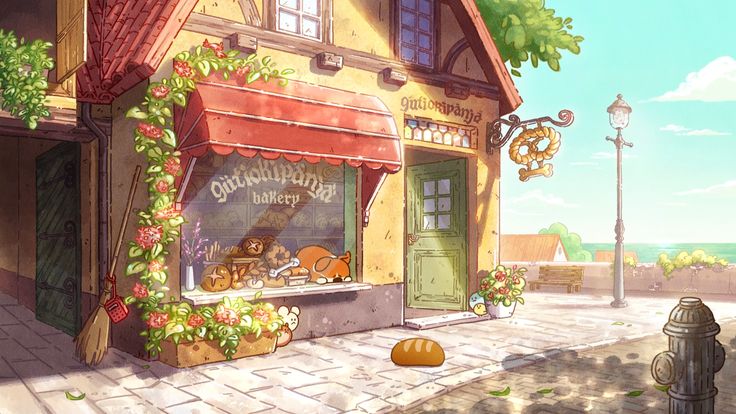
Fiction With the Volume Turned Down
Most fiction runs on escalation. Bigger stakes, louder conflicts, a ticking clock under every chapter. Slice of life runs the opposite direction on purpose. The question it asks is a quieter one: what if a person just living their life was enough of a story? A guild recruit settling into a new town. A teenager learning that the people around him carry weight he never noticed. Friends in a coffee-shop line arguing about a group-chat name. No apocalypse, no chosen one — just days, and what it costs to live them well.
The genre gets called boring by people who never gave it a real chance, which is fair the way it's fair to call meditation "doing nothing." The craft is actually harder than it looks: with no plot machinery to hide behind, the writing itself has to carry the hour, every hour, chapter after chapter. What carries it, when it works, is attention — the sense that someone looked at an ordinary moment closely enough to find what was actually in it.
These six web novels pull it off, and they're all free to read on NovelDay. Each one was chosen the hard way: by reading the chapters themselves, not just the blurbs. They range from cozy guild fantasy to school drama to a Shakespeare retelling to a slow-burn campus romance, but they share the same core discipline: nothing on this list treats quiet as a waiting room for plot. The quiet is the whole point.
The Books
Six quiet reads, longest first — every one free to read, most still publishing new chapters.
The Long Road to Somewhere: the long road is the point
By UndyingEmbers · ~13.3 hour read · 43 chapters · Magic, Slice of Life, Adventure · Ongoing
The subtitle calls it "cozy guild progression," which is exactly what it delivers: a newly registered adventurer arriving in the town of Inversi and learning the trade at a pace that treats every small thing as worth noticing. The opening chapters are a study in arrival: the nervousness of pushing open guild doors, the smells from the guild kitchen threatening her financial security, the way a smaller branch office feels after you're used to the big one.
What makes it land as slice of life rather than slow fantasy is the interiority. This is a narrator who processes the world in real time: second-guessing, observing, carrying the small weights people actually carry, including by chapter twenty the complicated after-feeling of a hard decision made for the right reasons. The quiet isn't empty; it's where she does her thinking. At nearly thirteen hours and still growing, it's also the deepest time-investment on this list: the one you pick when you want to move into a book rather than visit it.
It's also the catalogue's strongest case for the genre's whole premise: a guild story with no demon lord can hold a reader for forty-one chapters purely on the strength of a narrator worth keeping company with. If cozy fantasy is a mood you go looking for deliberately, this is the catalogue's most committed version of it.
Faces We Never Saw: school days, seen clearly
By cjohngt · ~11 hour read · 38 chapters · Slice of Life, Drama, Romance · Ongoing
A school-days story with a sharper emotional register than the genre usually gets. The narrator starts from an ordinary place (thinking about something a classmate said yesterday) and the novel builds outward from there, into a web of friendships, embarrassments, and the slow discovery that everyone in the classroom is performing a version of themselves for everyone else.
By the middle chapters the social texture is the plot. A karaoke outing that leaves the narrator embarrassed for three days; a friend's bruised shoulder in the infirmary and an apology that's only accepted on the condition she leads the team to the finals. Nothing explodes and nothing needs to. The story runs on the accumulation of small scenes that make the characters feel like people you've actually known. Readers who like their drama grounded in recognizable people rather than stakes-per-chapter will settle in fast.
Romeo & Juliet: A Modern Retelling: a classic, demoted to real life
By D.M.Aquilina · ~4.8 hour read · 25 chapters · Slice of Life, Romance, School Life · Complete
Moving Shakespeare to the present sounds like a gimmick until you notice what the setting change actually does: it takes the tragedy off its pedestal and puts it back in a life you'd recognize. The Verona here is a tourist town with ski trips and sea air; the feuding houses are families you might live next to; Juliet's confidences happen in a confession booth, chatting with a priest who knows her well enough to tease her about having second thoughts "about everything."
That last part is the slice-of-life engine. The play compresses everything into days, but this version lets Juliet be a teenager first: unsure about everything except Romeo and her best friend Sofia, complaining to Father Lawrance that his sermons confused her, half-laughing while she says it. The doomed structure stays underneath, but the scenes breathe at the speed of real life. It's the rare adaptation that uses the extra room to add texture rather than padding.
A Heartfelt Dream: the office sitcom that takes its time
By D.M.Aquilina · ~4 hour read · 26 chapters · Slice of Life, Romance · Complete
A workplace friendship story wrapped in a dream premise. The opening chapters move between vividly described dreams (colored, nostalgic, sometimes absurd) and waking life, where the narrator gets pulled into a newly-formed friend group at work. Seven members, a group chat that takes an entire scene just to name ("Work Friends" wins over "The New Work Avengers 2.0"), and a slow-building closeness that forms the way real closeness does: coffee lines, missed mornings, someone getting asked about three times before ten a.m.
What makes it slice of life rather than just a workplace drama is the pacing commitment. The book is willing to spend whole scenes on nothing more than people being good company to each other. The dream sequences act as the counterweight, giving the ordinary days a slightly uncanny frame without ever tipping the book out of the everyday. Quiet, warm, and better the longer you sit with it.
I'm Only Here To Distract The Hero: slice of life on the villain's payroll
By Wamba2K · ~3.6 hour read · 21 chapters · Magic, Slice of Life, Adventure · Ongoing
Slice of life inside a fantasy premise. It's the genre's best hybrid move. The narrator is a minor player in a bigger story: someone whose job, literally, is to stand in a courtyard and be noticed by the hero so the important people can do their work elsewhere. She knows exactly how disposable that makes her, and the early chapters mine both the comedy and the unease of that arrangement.
The middle chapters keep the quiet register going even when the fantasy layer creeps in: a disorienting dream-vision through someone else's eyes, a kneeling companion who never lets her wake in peace, domestic tension carried out in the dark. The world is dangerous, but the storytelling stays intimate and low-key, more interested in what it's like to live in the margins of a grand narrative than in the narrative itself.
That's a genuinely rare thing in fantasy: a story told from the edges of someone else's epic. Most fiction treats minor characters as furniture; this one asks what their days look like, and the answer turns out to be stranger and more interesting than the hero's side of the story probably is. If you like the cozy registers of isekai without the transported-protagonist machinery, this is the pick.
Until You Became Home: the slow burn that earns the burn
By LishaandtheQuill · ~3 hour read · 25 chapters · Slice of Life, Drama, Romance · Ongoing
The subtitle tells you the shape: slow-burn, slice of life, romance. Lily Sterling opens the book with a flat "No" (to family expectations, to the polished future being arranged around her) and the novel follows her through the halls of Aurelion University, where everyone else seems happy to perform the same routine she's quietly refusing.
The romance unfolds at university-corridor speed: a friend's arm looped through hers, a boy glimpsed near a pillar who she declines to look at, classes endured more than attended. The writing cares about the small stuff: what Lily chooses to wear and why it matters to her, how a "mere formality" attitude to lectures is its own kind of social texture. The details aren't decoration; they're the character work, showing a girl building a self in the gaps other people leave for it.
At three hours it's the lightest commitment on this list, which makes it the easiest recommendation to a genre skeptic: if a slow-burn university romance can hold you without a single dramatic peak, the longer quiet books will too. Readers who came here from our slow-burn romance guide will recognize the discipline this one is exercising.
The List at a Glance
| Novel | Reading time | Chapters | The flavor |
|---|---|---|---|
| The Long Road to Somewhere | ~13.3 hours | 43 | Cozy guild fantasy, unhurried and interior |
| Faces We Never Saw | ~11 hours | 38 | School-days drama with real emotional weight |
| Romeo & Juliet: A Modern Retelling | ~4.8 hours | 25 | Shakespeare at everyday speed |
| A Heartfelt Dream | ~4 hours | 26 | Workplace friends, dream-frame warmth |
| I'm Only Here To Distract The Hero | ~3.6 hours | 21 | Quiet fiction inside a fantasy premise |
| Until You Became Home | ~3 hours | 25 | Slow-burn university romance |
Reading times are NovelDay's own estimates at average reading speed; Romeo & Juliet and A Heartfelt Dream are complete, the rest are still publishing.
How We Chose These
Slice of life is the genre where bad selection hurts most, because a weak pick doesn't fail loudly, it just lies there. So the bar was stricter than usual: every novel on this list was read from its opening well into the middle of the run, because openings get polished and middles show the real baseline. We looked for prose that stays good when nothing is happening, premises that produce texture instead of plot coupons, and covers you'd trust on a real shelf. Novels that use the slice-of-life tag as a rest stop between action arcs got left out — these are the ones where quiet is the whole point.
Why Web Novels Are Built for This Genre
Slice of life has a structural problem in traditional publishing: it's supposed to be unhurried, but books are supposed to end. A 300-page slice-of-life novel is always a slice that had to be cut somewhere. Web serials solve this almost by accident of format: a story that updates weekly can keep being everyday for as long as readers keep showing up, which is exactly the experience the genre promises. Some of the picks above have been running for dozens of chapters of steady, low-stakes living, and readers return precisely because nothing escalates.
The other advantage is honesty of texture. Serial fiction doesn't have to justify its existence to an acquisitions committee looking for a hook; it just has to hold readers, and quiet fiction holds readers by being good company. That filtering produces a different kind of story than the shelf version, less polished maybe, but closer to the everyday thing the genre is named after.
The Binge Factor
There's one more thing the serial format does for this genre that nothing else can: it lets the quiet compound. A slice-of-life serial read week by week is pleasant; the same serial read in a weekend becomes something else entirely, an accumulated texture that starts to feel like memory rather than story. That's the secret the genre's fandom already knows — slice of life hits hardest in bulk, when forty chapters of small days add up to a place you've genuinely lived in for a while. Several of these have enough chapters already published to give you exactly that, and they update on schedules that let the feeling keep going.
Where to Start
If you're new to the genre and want the purest version, begin with The Long Road to Somewhere; it understands that cozy is a commitment, not a setting. If you want slice of life with an emotional edge, Faces We Never Saw is the stronger pick. And if "slow fiction" sounds suspicious to you, try the shortest entry first — Until You Became Home — and let it change your mind at three hours instead of thirteen.
You can browse everything mentioned here in the NovelDay library — all of it free to read, no paywalls. And if you write quiet fiction yourself, our author program is built for serials exactly like these.
Frequently Asked Questions
What counts as a slice of life book?
Fiction where everyday life is the subject rather than the backdrop. There's usually no central antagonist and no ticking deadline. The story runs on routine, relationships, small decisions, and the texture of ordinary days. The genre's promise isn't "nothing happens"; it's that ordinary things, watched closely enough, are enough. A bad slice-of-life book is boring because nothing was ever at risk; a good one is compelling for exactly the same reason, because the small things had room to matter.
Are slice of life books boring?
Only if you're measuring the wrong thing. The genre replaces external stakes with internal ones: will this friendship survive a misunderstanding, will this character figure out who they are. Done well, it's not slower fiction, it's denser fiction: every small scene has to earn its place because there's no plot machinery coasting it forward.
Is slice of life the same as cozy fiction?
They overlap but they're different labels. Cozy fiction promises low stakes and emotional safety; nothing bad will really happen. Slice of life promises everyday-ness, which can still include real grief, real embarrassment, real consequences. A story can be slice of life without being cozy, though the two often travel together, as several picks above show.
Where does slice of life fit among fantasy and romance?
It sits inside both rather than beside them. Fantasy slice of life keeps the world but drops the war. The Long Road to Somewhere is a guild story with no quest. Romance slice of life keeps the relationship but drops the melodrama. Until You Became Home is a slow-burn university romance with no love-triangle theatrics. It's a pacing register more than a setting.
Why is slice of life so popular in web fiction?
Because the format and the genre want the same thing. Serial fiction rewards steady presence over dramatic peaks; readers return weekly for company, not just for plot. A quiet story that publishes for two years builds a kind of accumulated intimacy a bounded novel can't fake, which is why some of the most-loved web serials in any genre are the ones where nothing much is happening, beautifully.