Morally Grey Characters Explained: Definition, Famous Examples, and 8 Grey Web Novels
Ask a room of readers to name their favorite character and you will rarely hear the hero's name. You will hear the assassin who spared one child, the king who did a monstrous thing for a defensible reason, the detective who understands criminals a little too well. Morally grey characters have quietly become the center of modern fiction fandom, and the term itself, which barely existed a decade ago, is now one of the most searched character tropes on the internet.
So what are morally grey characters, exactly? The short answer: characters whose choices sit between heroic and villainous, who do questionable things for understandable reasons, or good things for selfish ones. They are not antiheroes, though the two get confused constantly, and they are definitely not villains with good PR. The difference matters, and this guide breaks it down.
Below: a working definition, the famous examples everyone points to, why readers are obsessed with the trope, and a practical section on how to write one. Then I will recommend 8 web novels on NovelDay whose protagonists live in the grey zone, all free to read with no paywalls or coin timers. You will also see the trope spelled "morally gray" online; same thing, different dictionary.
What Is a Morally Grey Character? (Definition)
A morally grey character is someone whose decisions cannot be sorted cleanly into right or wrong. They operate in the space between the hero's code and the villain's appetite. They might lie, manipulate, steal, or kill, but they do it for reasons the story asks you to weigh rather than simply condemn. The reader's job is not to forgive them; it is to keep re-deciding whether the choice was justified.
The core traits of a morally grey character:
- Understandable motives, questionable methods: The goal is often sympathetic: protect family, survive, fix a broken system, avenge a wrong. The methods are where the grey lives. They will do what a hero refuses to do.
- A personal code, not a universal one: Grey characters usually have lines they will not cross, but the lines are their own. A killer who never harms children. A manipulator who never lies to the one person they love. The code is real; it is just not society's.
- Consequences that land: In a well-written grey character, the bad choices cost something. Relationships fray, sleep is lost, the character has to live with what they did. Grey without consequences is just edgy wish fulfillment.
- Reader disagreement: The true test of the trope is that fans argue about the character. If everyone agrees the character was right, they are a misunderstood hero. If everyone agrees they were wrong, they are a villain. Grey lives in the argument.
- Change without absolution: Grey characters often grow, but the story rarely declares them redeemed. They carry their history forward instead of being absolved by a redemption arc.
The trope is older than the label. Literature has always had characters like this; what changed is that fandom named them, ranked them, and turned "morally grey" into a compliment. On BookTok, calling a male lead "morally grey" is functionally a recommendation. That is a remarkable journey for a term that literally means "this person does bad things sometimes."
Morally Grey vs Antihero vs Villain
These three get used interchangeably, and they should not be. The distinction matters for readers searching for the feeling and for writers building the character:
- Villain: The antagonist. Their goal is what the story exists to stop. A villain can be sympathetic, but the narrative treats their aim as wrong. Killmonger wants liberation through conquest; the film is on T'Challa's side.
- Antihero: The protagonist who lacks classic heroic virtues. They might be cowardly, selfish, crude, or violent, but they are the person the story follows and usually the lesser evil in their world. Deadpool, Deadpool, and more Deadpool. The antihero is defined by contrast with the hero's polish, not by a specific moral position.
- Morally grey character: Defined by the choices, not the role. A morally grey character can be the protagonist, the love interest, the mentor, or the villain. The label describes their decision-making: sympathetic motives, questionable methods, debatable outcomes.
- The overlap: Plenty of characters are both. Kaz Brekker is an antihero protagonist and morally grey. The Darkling is a villain who is also morally grey. The labels are axes, not boxes.
The cleanest way to think about it: "antihero" describes where the character sits in the story, "villain" describes what the story does with them, and "morally grey" describes how the reader is asked to feel about their choices. That is why the grey label travels so well across genres. It is a description of moral texture, and any character can have it.
Famous Morally Grey Characters Everyone Points To
If you want to understand the trope fast, these are the canonical examples fandom uses:
- Kaz Brekker (Six of Crows): A criminal prodigy who does genuinely ruthless things for money and revenge, held together by a personal code and one person he cannot lie to. We reviewed the book that made him famous in our Six of Crows review.
- Severus Snape (Harry Potter): The argument that built the trope's reputation. Cruel to children for twenty years, devoted to a dead woman the whole time. Fans still fight about whether the devotion excuses the cruelty, which is exactly the point.
- Jaime Lannister (A Song of Ice and Fire): Introduced pushing a child from a window, revealed to have saved a city by breaking his oath. George Martin built him as a machine for producing reader whiplash.
- Victor Vale (Vicious): V.E. Schwab's protagonist is a serial-killer-adjacent vigilante whose murders you keep almost approving of. The whole novel is a grey-on-grey fight where "hero" and "villain" are just who is narrating.
- Amy Dunne (Gone Girl): Proof the trope is not genre-locked. Amy is monstrous and the story makes you understand the machinery that built her, which is a more uncomfortable trick than making her likable.
- Light Yagami (Death Note): Starts as a protagonist fighting crime, becomes the thing he was fighting, and the audience's job is to notice exactly when the turn happened. The single best case study in a story letting you decide when the grey went black.
- Cardan and Jude (The Cruel Prince): The romantasy version: two people who are awful to each other and everyone else, for reasons that turn out to be survival strategies. The "morally grey love interest" is now its own subgenre.
Notice the pattern: none of these characters are loved because they are good. They are loved because they are interesting, and because the story trusts you to hold two verdicts at once.
Why Readers Are Obsessed With the Trope
Three reasons the morally grey character went from literary device to marketing category:
- They feel honest. Most people are not heroes. They compromise, rationalize, and do selfish things for good reasons. A character who does the same reads as truer than one who never wavers, especially to readers who grew up on chosen-one stories and noticed the real world does not work that way.
- They create stakes inside the reader. With a hero, the tension is external: will they win? With a grey character, the tension is internal: do I still approve of them? That is a stickier hook. You are not just watching the story; you are being tested by it.
- BookTok built a fandom around the label. "Morally grey male lead" is a genre expectation now, sitting next to enemies to lovers and found family as a promise a book can make. The trope escaped literary criticism and became a search term, which is when you know it has won.
There is also a craft reason: grey characters let writers put real darkness in a story without losing the reader. Grimdark makes the whole world cruel; a morally grey protagonist lets you explore the same cruelty through a person you are still rooting for. It is darkness with a handrail.
How to Write a Morally Grey Character
Half the searches for this term come from writers, and the craft challenge is real: grey is easy to claim and hard to earn. If you are building one, the rules that matter:
- Start with the motive, not the method. Decide what the character wants that is genuinely sympathetic, then let them choose methods a hero would refuse. If the motive is not sympathetic, you have a villain. If the methods are not questionable, you have a hero with a frown.
- Give them one line they will not cross. The line defines them more than the transgressions do. A character with no lines is not grey; they are just bad. The moment a reader learns "he will burn a city but he will not touch her" is the moment the character becomes interesting.
- Make the choices cost something. Every grey act should leave a mark: a friendship strained, a night of insomnia, a reputation that cannot be walked back. If the character does terrible things and the story never invoices them, the reader stops believing the moral weight exists.
- Let other characters judge them. Grey only exists in contrast. You need at least one character who thinks the protagonist went too far and one who thinks they did not go far enough. Without those voices, the reader has nothing to triangulate against.
- Resist the clean redemption. The temptation is to redeem them at the end. Sometimes that is right, but the stronger move is usually change without absolution: they do better going forward while carrying what they did. Absolution is for heroes. Weight is for grey.
- Watch the proximity problem. A grey character narrating in first person needs interior justification the reader can follow, or the character just reads as cruel. If you are struggling with how much of the character's reasoning to show, our guide on the unreliable narrator covers the close cousin of this problem.
The single most common failure is confusing grey with "does whatever the plot needs." Grey is not randomness. It is a consistent character whose consistent choices happen to divide opinion. If you cannot explain why the character made each bad choice in one sympathetic sentence, the grey is a costume, not a personality.
8 Web Novels With Genuinely Grey Protagonists
Every novel below is free to read on NovelDay, written by an independent author, and long enough to actually live with the character. Ordered by reading time, longest first, so you can pick your commitment level.
1. Stillore: Shard and Canvas
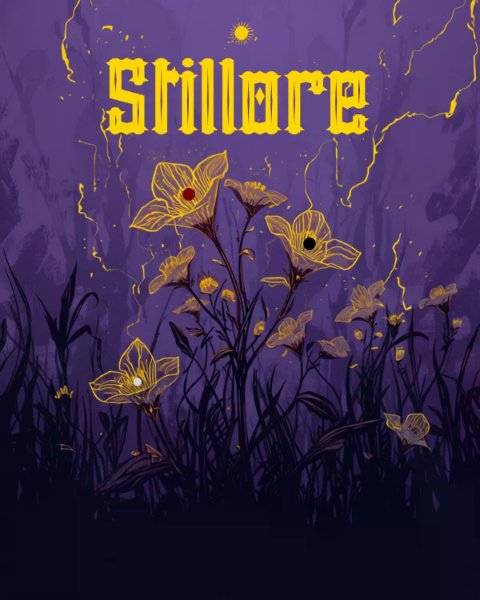
A century of war and disasters has left the Archipelago of Andimica holding an uneasy peace, and underneath Bayork's reconstruction something is stirring. Stillore opens with the line "human madness shines brightest at the dawn of the end," and the story means it.
This is a large, slow, dense fantasy where organizations and individuals keep making terrible decisions for reasons that made sense at the time. If you want grey not as a single character but as the moral weather of an entire setting, this is the deepest commitment on the list.
Start reading Stillore: Shard and Canvas →
2. The Shattering Point
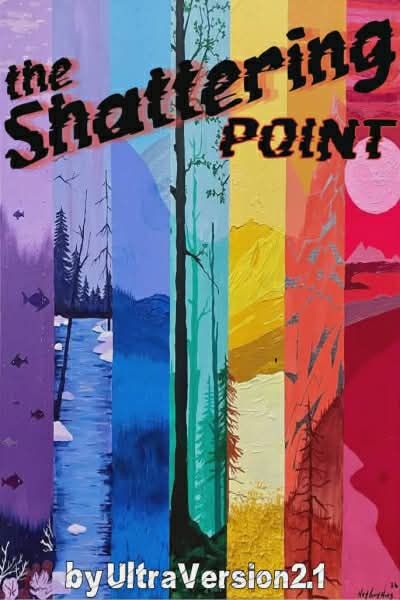
A group of survivors wakes outside their hometown with paradoxical memories they cannot hold onto, after a cataclysmic collision with an impossible realm changed Earth forever. Two years of fighting to get back, and what waits for them is worse than the journey.
The grey here is built into the premise: when your memories cannot be trusted, neither can your reasons, and characters keep having to choose between versions of themselves. A science-fantasy horror for readers who like their morality fractured.
Start reading The Shattering Point →
3. Denpa Skies
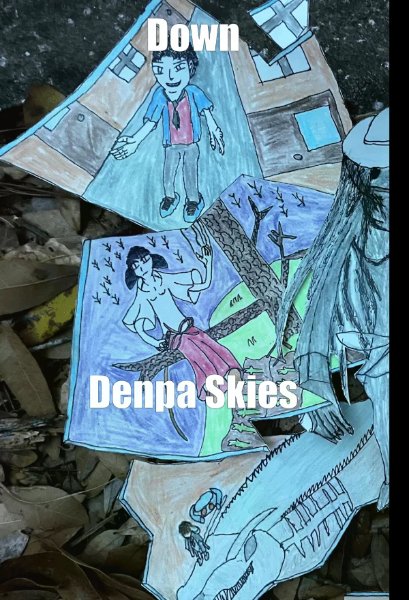
An anthology of people trapped inside game worlds. In the first arc, a neighborhood has been displaced into a world of fog, and Vic and the other pioneers must brave the temples of anomaly to reconnect it to the outside. In the second, a summoner named Deborah faces her looming fate inside an otome game of faeries and fae-possessed threats.
The grey comes pre-installed: when you are written as the villain or the doomed mage of someone else's story, surviving means out-writing the role you were cast in. Hand-drawn art, classic RPG bones, and characters refusing their scripts.
4. What We Are: An Eyes Story (Book Two)
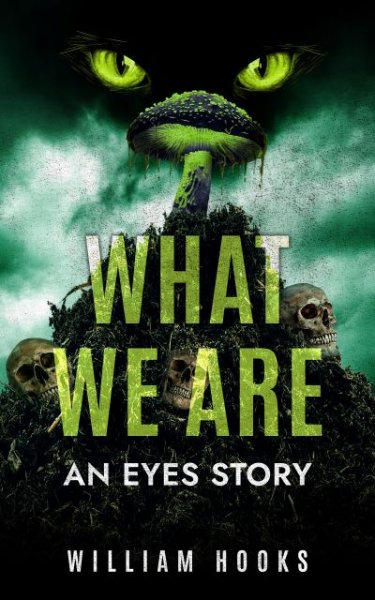
Ritz is best friends with Hooks and Dez, until the manipulations of one of them pull all three into a situation none of them predicted. Then Ritz's bus crashes, an entity called The Eyes is hunting, and something called The Company is pulling strings in the background.
This is supernatural horror where the threat is not just the monster: it is the people you trusted, and what they were willing to do with you. Grey as a survival strategy.
Start reading What We Are: An Eyes Story (Book Two) →
5. The Hero of Legend (Realmsic Conquest)
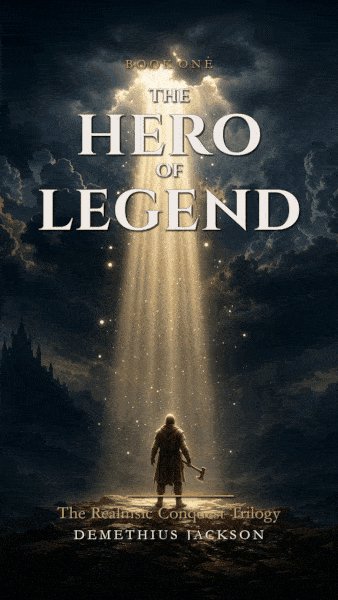
Six days ago Maebus was a low-ranking councilman in the world's only magical kingdom. Today he is king, and the crown is already trying to kill him. He took the throne because nobody else would, and Warlord Damian has spent years turning the Realm's own people against their rulers by promising them safety.
Political fantasy where every move is a lesser evil: the king who must become harder than he wanted to be, and the warlord who might have a point.
Start reading The Hero of Legend (Realmsic Conquest) →
6. I'm Only Here To Distract The Hero
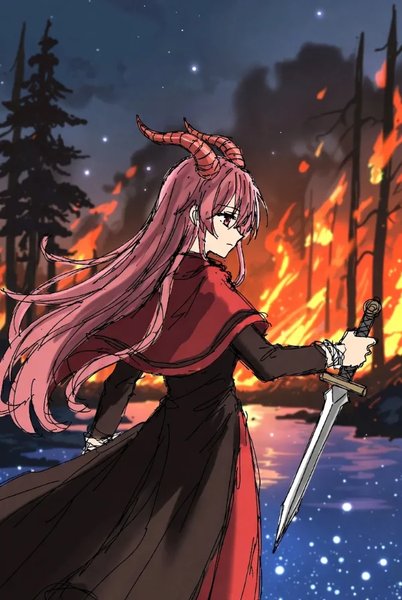
Aerida was supposed to die. Her entire job was to battle the hero and give her life so the Demon Lord could turn the tide of war. Instead, at the moment of her death, the hero split her own soul and forced a fragment of it into Aerida to save her.
Now a woman built to be disposable is alive, carrying a piece of her enemy inside her. The grey here is existential: she was literally created to be the villain, and the story is about what she chooses to be instead.
Start reading I'm Only Here To Distract The Hero →
7. Strongest Healer is a Brawler
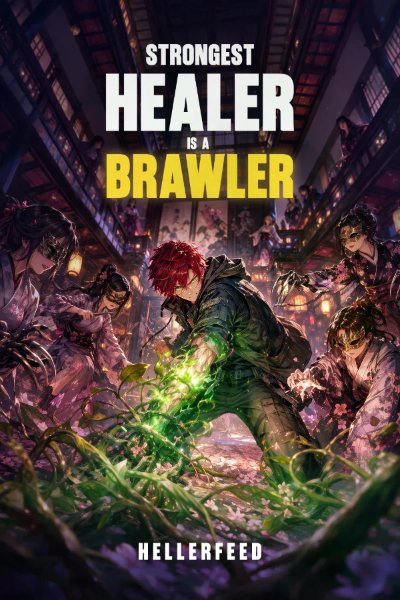
For centuries the Twelve Heavenly Virtues have ruled as humanity's saviors, and their Church decides who is righteous and who gets branded a heretic. Benjamin Almond, an unconventional SSS-class healer who fights like a front-line warrior, could not care less.
This is the "good man outside the moral law" flavor of grey: doing the right thing by methods the righteous call wrong, inside an institution whose judgment is itself the problem.
Start reading Strongest Healer is a Brawler →
8. The Killer's Consultant
![The Killer's Consultant [Kdrama Crime Thriller]](https://novelday.net/api/novels/14757/image/1786744871)
Actor Seo Yuji is famous for playing killers on screen, a little too famous: when a serial murder case needs a consultant who understands how a murderer thinks, the police come to the man who performs them.
A Kdrama-style crime thriller openly inspired by Death Note, and it delivers the same dynamic: a protagonist who sees the logic of the monster well enough to catch it, which is exactly what makes you wonder about him. The closest thing on the platform to a Light Yagami problem.
Start reading The Killer's Consultant →
FAQ
What is an example of a morally grey character?
Severus Snape is the most cited example: cruel to his students for years while secretly devoted to protecting them, and readers still argue about which fact matters more. Other canonical examples include Kaz Brekker, Jaime Lannister, Victor Vale, and Amy Dunne. The test is always the same: if fans disagree about whether the character was justified, the character is grey.
Is morally grey the same as an antihero?
No. Antihero describes a protagonist who lacks traditional heroic virtues: someone crude, selfish, or unheroic in manner. Morally grey describes decision-making: sympathetic motives paired with questionable methods. Many characters are both (Kaz Brekker is an antihero who is also grey), but a polished, heroic-seeming character can be grey too if their choices are debatable. Antihero is about the role; grey is about the choices.
Is Deadpool morally grey?
Mostly he is classified as an antihero: he is the protagonist, he kills freely, and he is clearly not a classic hero. Whether he counts as morally grey depends on the version. His motives are usually selfish or personal rather than noble, but the films rarely ask you to seriously weigh his choices. He sits on the antihero-grey border, which is a fair summary of a lot of chaotic characters.
Why are morally grey characters so popular?
Because they feel honest and they make the reader do work. A hero creates external tension (will they win?); a grey character creates internal tension (do I still approve of them?). BookTok then industrialized the appeal: "morally grey love interest" became a marketing category, and the label now signals exactly the kind of complicated character a huge reader segment is searching for.
How do you write a morally grey character?
Give them a sympathetic goal and let them use methods a hero would refuse. Give them at least one line they will not cross, make every transgression cost something, and surround them with characters who judge them differently. Most importantly, keep their reasoning consistent: grey is a character whose choices divide readers, not a character who does whatever the plot needs. Full breakdown in the writing section above.
What books have morally grey characters?
Among published fiction: Six of Crows, Vicious, A Song of Ice and Fire, The Cruel Prince, and Gone Girl are the usual answers. In web fiction, the trope thrives because web novel readers actively search for complicated protagonists; the eight novels recommended above are a good starting list, all free to read.
The Short Version
Morally grey characters are the ones you cannot file away: sympathetic motives, questionable methods, and choices readers keep arguing about. They are not antiheroes (that is a role) and not villains (that is a verdict); they are the middle ground where the interesting fiction lives. If you want to read them, the NovelDay library has the eight grey protagonists above plus a catalog full of complicated people, all free.
If you want to write one, the craft rules are above, and so is the hardest part: keeping the character consistent enough that readers argue about the choices rather than the writing. For more on building characters readers cannot put down, see our character development guide, and if you are drafting your first story, our beginner's guide to writing a novel walks the full process. Or skip the guides and start posting on NovelDay: the grey-character audience is already here.