What Is an Antihero? Definition, Examples, and the Antivillain Difference
An antihero is a protagonist who lacks the qualities of a traditional hero and makes you root for them anyway. That second half is the part most definitions skip, and it is the part that matters. A hero is brave, noble, and selfless by design. An antihero might be cowardly, selfish, violent, or broken, and yet the story keeps your sympathy pointed squarely at them the whole way through.
The confusion comes from the prefix. "Anti" sounds like "against," so people assume an antihero is a character who opposes the hero, which is the villain's job. In reality the term means something closer to "un-hero": the antihero still occupies the hero's slot in the story, they just refuse to act like one while doing it.
Once you separate the word into its two real questions, everything clicks: what slot does this character fill, and how do they behave while filling it. Answer those and you can sort any morally complicated character in fiction, hero, antihero, antivillain, villain, in under a minute, which is all a pub argument or a writing workshop ever gives you.
The Definition That Actually Works
The clean version: an antihero is a central character the audience is invited to follow and support, who lacks conventional heroic virtues. Courage, integrity, selflessness, idealism. Strip some or all of those away, keep the character at the center of the narrative, keep the audience's sympathy attached to them, and you have an antihero.
What remains is what makes them interesting. Most antiheroes run on one redeeming engine: a code they never break, a person they protect, a goal that is genuinely worth reaching even when the methods are horrifying. Remove that engine and the character stops being an antihero and slides into the neighboring categories.
The term is older than the current wave of morally complicated television. Critics use it for figures from Don Quixote to the postwar angry-young-man novels, characters whose flaws were the point rather than a costume over a golden heart.
The Two Questions That Sort Every Character
When a character feels morally tangled and the labels stop helping, ask two questions:
First: whose side is the story on? Put plainly, does the narrative want you to root for this person, or to root against them? Rooting is about story structure, not morality. A character can be charming, funny, and sympathetic and still be placed in the story so that you want them stopped.
Second: what are their methods and motives? Do they want something decent and pursue it badly, or want something ugly and pursue it cleverly? Goals and means are separate axes, and confusing them is how half of all internet arguments about antiheroes start.
Those two questions produce four slots, and almost every debated character fits one of them.
Antihero vs Villain
The hero occupies the hero slot with heroic behavior. The antihero occupies the hero slot with unheroic behavior. The villain occupies the opposing slot entirely, working against whoever the story wants you to follow.
The confusing case is the villain protagonist: a main character the story wants you to watch but not necessarily to cheer for. A true villain protagonist does terrible things for terrible reasons, and the narrative offers no apology. The antihero, by contrast, is bad at being good rather than genuinely committed to being bad, and the story quietly keeps one door open for them.
The quick test: if this character finally got everything they wanted, would you feel relieved or sick? Relief means antihero. Sick means villain protagonist. The story's own sympathy is the tiebreaker every time, and the cleanest place to watch it work is in the final act, where the narrative has to decide whether to give this person a win, a loss, or a redemptive last page.
Antihero vs Antivillain
The antivillain is the mirror image, and it is the term people reach for least because nobody ever taught it to them. An antivillain is a character in the opposing slot whose motives are sympathetic, noble, or understandable, someone doing the wrong thing for what look, from inside their head, like the right reasons.
So the full map looks like this:
- Hero: the character you root for, with clean goals and clean methods.
- Antihero: the character you root for, with decent goals or a decent core, but ugly methods or a broken personality.
- Antivillain: the character the story opposes, whose goals are sympathetic enough that defeating them feels bittersweet.
- Villain: the character the story opposes, whose goals and methods deserve it.
Thanos is the textbook antivillain: an extinction plan built on a genuinely held belief that he is saving the universe. Killmonger sits in the same quadrant. The audience wants them stopped and mourns them anyway, which is exactly the emotional signature the slot exists to produce.
Characters do not have to stay in their starting square, either. Some of the best stories are essentially journeys between the four, a hero sliding into antihero under pressure, a minion defecting into sympathy, a villain acquiring a conscience one favor at a time. The map is fixed; the travelers are not.
Famous Antiheroes, Sorted Properly
Deadpool is a mercenary, a killer, and a walking moral disaster, but the movies and comics position him as the one to cheer for, so he is an antihero and not a villain protagonist, despite the body count.
Walter White is the cautionary edge case. Early Walter is an antihero: desperate, sympathetic, doing wrong for family-shaped reasons. The series is famous precisely because he migrates across the map as the excuses fall away, ending somewhere far darker. That drift is what makes the show a masterclass in the category.
Lisbeth Salander is an antihero in the classic mold: brilliant, vengeful, indifferent to rules, but aimed at people who earned it. The Punisher is the same shape in a different costume. Jack Sparrow is the comic version, a coward and a thief whose charisma carries the hero slot anyway.
Notice what all of them share: the story keeps you on their side while making you watch them do things a hero would never do. The discomfort is not a flaw in the writing. It is the entire product, and learning to sit in it is what separates a reader who enjoys antiheroes from one who just tolerates them.
Why Web Fiction Is the Antihero's Natural Habitat
Serialized web fiction produced an antihero boom for structural reasons, not just taste. Progression systems reward ruthlessness; a protagonist who optimizes, exploits, and refuses fair fights reads as smart rather than cruel. The villainess genre turned the antagonist's chair into a protagonist's chair wholesale. Regression and reincarnation plots hand the lead foreknowledge and dare them not to abuse it. And the comment section is always there, cheering when the protagonist finally stops playing fair.
The result is a catalog where the interesting question is rarely "is this protagonist morally pure" but "which kind of compromised are they." That is the lens the picks below use: seven novels on NovelDay, each one sitting on a different square of the morality map. If the craft side interests you, our guide to morally grey characters covers the related question of ambiguity within a character, and the unreliable narrator piece covers the version where the protagonist's own account is the trap.
There is a writer's reason to care too. The antihero is the hardest protagonist to sustain, because the sympathy has to be re-earned in every chapter. Web serials live or die on exactly that: a protagonist readers forgive on Monday and argue about on Friday keeps them subscribed in a way a spotless hero never will. If you are drafting one, the taxonomy above is a compass: decide which square your lead starts on, decide which square they are heading toward, and let the audience watch the movement.
7 Web Novels Across the Antihero Map
Ordered by length, longest binge first.
1. The Dark Lord Saved the Heroine
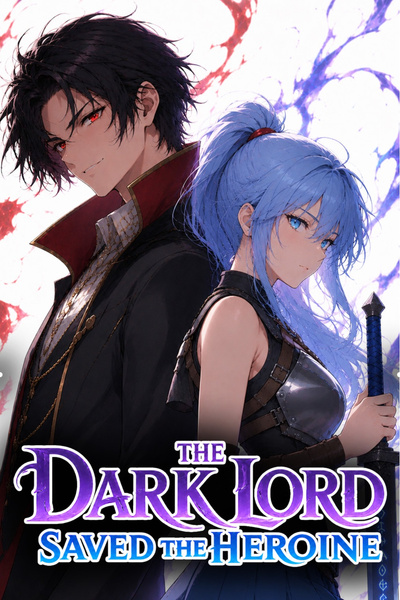
The cleanest possible illustration of why the antihero label exists: the slot and the behavior have nothing to do with each other. Milo Miles dies broke, gets assigned the role of Dark Lord by an afterlife bureaucracy, is handed level 9999, and then, on day one, accidentally saves the Hero he was sent to oppose. The system demands fear; Milo refuses to kill; reality itself is keeping score. A protagonist wearing the villain's title while doing the hero's job is the taxonomy question made literal, and it is very funny about it besides.
Read The Dark Lord Saved the Heroine on NovelDay
2. The Crazy Daughter of the Duke’s Family
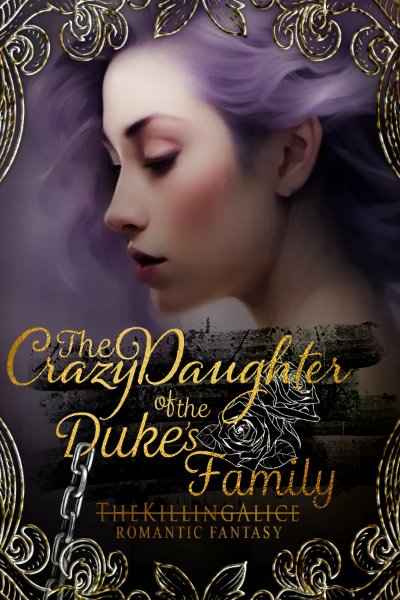
The villainess genre is the antivillain slot colonized by web fiction, and this is a strong specimen. Celia spent her life fighting monsters called Visitors, died, and woke up inside a novel she once read, as Rowena, the short-lived villainess who gets cut out of the story early for offending the heroine. She knows the script, knows she is written as the antagonist, and decides to live anyway. Everything she does is opposition from the story's point of view and self-defense from hers, which is the antivillain's exact dilemma, re-aimed at the reader's sympathy.
Read The Crazy Daughter of the Duke’s Family on NovelDay
3. Feasting on Immortals
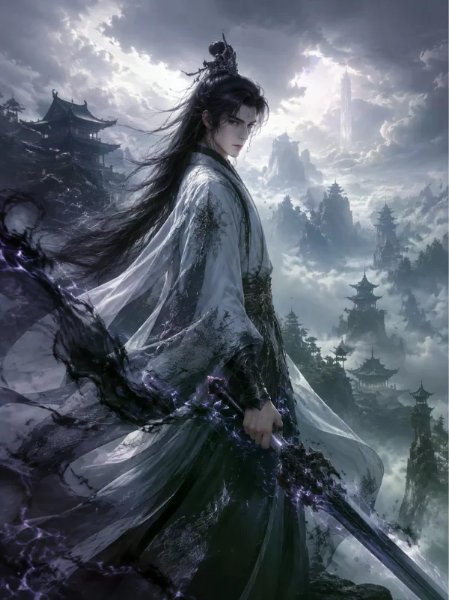
Fang Cheng has a demonic sword lodged in his soul that whispers for carnage, and his self-preservation ritual is to force every monster and villain he meets to say "you are a good person" out loud, because the more they say it, the more he believes it. The official pitch asks it flatly: "is he the savior, or the worst monster of all?" A protagonist who must be talked into his own goodness while devouring villains is the antihero premise distilled to pure essence, dark xianxia in the lineage of Reverend Insanity.
Read Feasting on Immortals on NovelDay
4. The Spartan of Invicta
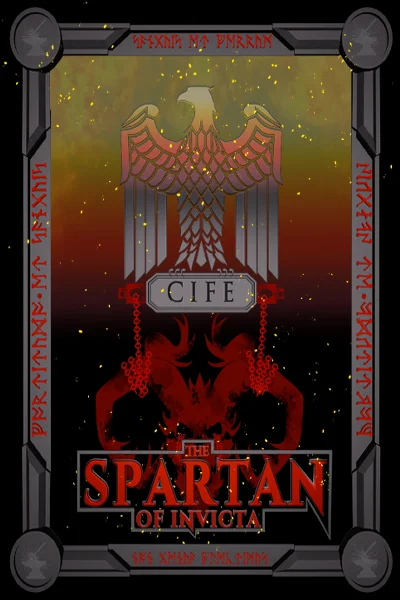
An empire that runs on engineered killers, a general who counts corpses and still believes order is worth the bill, and Spartan herself: a living weapon in a woman's shape, the empire's heart and its most dangerous liability. Nobody in this story gets to be clean; the question is what each of them is willing to spend. If your taste in antiheroes runs toward institutions rather than individuals, the soldier who serves a bad system for good reasons, this is the grim, political version.
Read The Spartan of Invicta on NovelDay
5. I'm Only Here To Distract The Hero
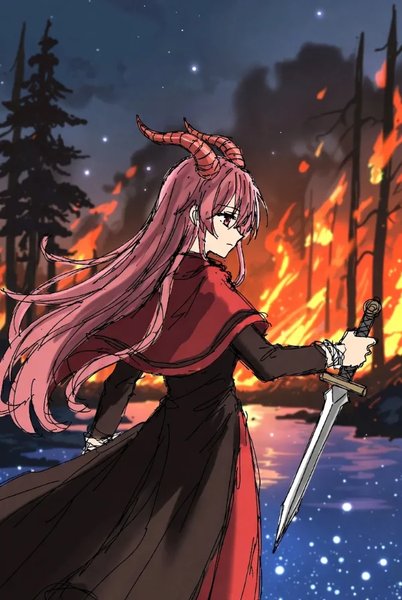
Aerida was designed to die: a mid-boss whose entire job was to buy the Demon Lord time in battle. Instead the hero split her own soul to save her, and now Aerida lives in the hero's camp, carrying a fragment of her enemy inside her while the war continues. She begins the story on the antivillain square, a sympathetic obstacle, and the whole narrative is the question of whether she stays there. Watching a character migrate across the map in real time is rarer and more interesting than watching one hold still.
Read I'm Only Here To Distract The Hero on NovelDay
6. The Killer's Consultant [Kdrama Crime Thriller]
![The Killer's Consultant [Kdrama Crime Thriller]](https://novelday.net/api/novels/14757/image/1786744871)
A beloved actor celebrated for playing a killer, a homicide detective out of answers, and a serial murder case where the line between performance and reality keeps thinning. The story's own thesis is the antihero question: the greatest deception is not the killer's identity but the lie everyone already accepted as truth. A kdrama-flavored crime thriller where every lead is performing something, complete at nineteen chapters, and a reminder that the moral map exists outside fantasy too.
Read The Killer's Consultant [Kdrama Crime Thriller] on NovelDay
7. Timeless Empress
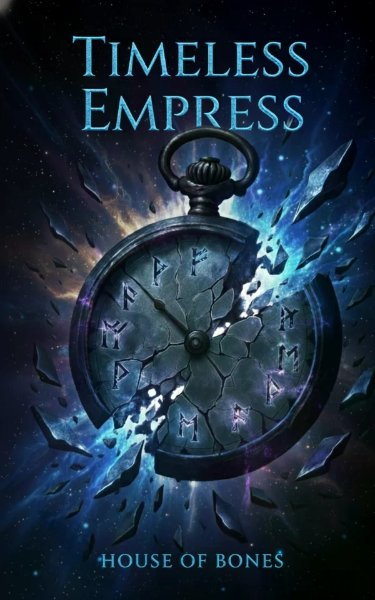
Anja Kyrov reached into the abyss between worlds and stole Time itself from a Regressor, claiming a SoulRune she had no right to. Now the power is consuming her, and the people hunting her include a Regressor who knows her past, her future, and every move she has not made yet. A thief as protagonist, pursued by the party she robbed: the story keeps you in her corner while the narration itself calls her the thief. Pure antihero geometry, with time loops on top.
Read Timeless Empress on NovelDay
Frequently Asked Questions
Is Deadpool an antihero or a villain?
Deadpool is an antihero. He kills constantly and moralizes rarely, but the stories keep him in the protagonist's slot and aim his violence mostly at worse people. The chaos is method noise over a decent-ish core.
Is Batman an antihero?
Mostly no: Batman's methods are dark but his goals and code are conventionally heroic, which usually sorts him as a gritty hero rather than a true antihero. The debate itself is the point; characters near the boundary are where the taxonomy earns its keep.
What is the difference between an antihero and a villain protagonist?
Sympathy placement. The antihero is the main character you are meant to root for despite their flaws. The villain protagonist is the main character you are meant to watch, fascinated, without being asked to forgive them.
What is an antivillain?
An antivillain is the character opposing the hero whose motives are sympathetic: noble goal, ugly methods, placed on the wrong side of the story. You want them stopped, and it hurts a little when they are.
Can an antihero become a villain?
Yes, and it is one of the great arcs in fiction. When the redeeming engine dies, when the code breaks or the goal rots, the character slides across the map. Breaking Bad built an entire show on that migration.
Why are antiheroes so popular now?
Because "good" protagonists read as fake to audiences raised on complexity, and because serialized fiction, web novels especially, rewards protagonists who optimize rather than who posture. The antihero is what the hero looks like after the internet asked a few follow-up questions.
The Bottom Line
An antihero is a protagonist who keeps the audience's sympathy while refusing the hero's manners. The antivillain is the same compassion pointed the other direction. Two questions, whose side is the story on, and how clean are the means to the end, sort every morally tangled character you will ever argue about.
The best place to feel the difference rather than read about it is a story that lives inside the grey. Browse the NovelDay library and watch how many of its leads land somewhere between hero and villain, or if you are writing one yourself, publish on NovelDay, where complicated protagonists are the house specialty.