What is a Light Novel? (And How It Differs from Web Novels)
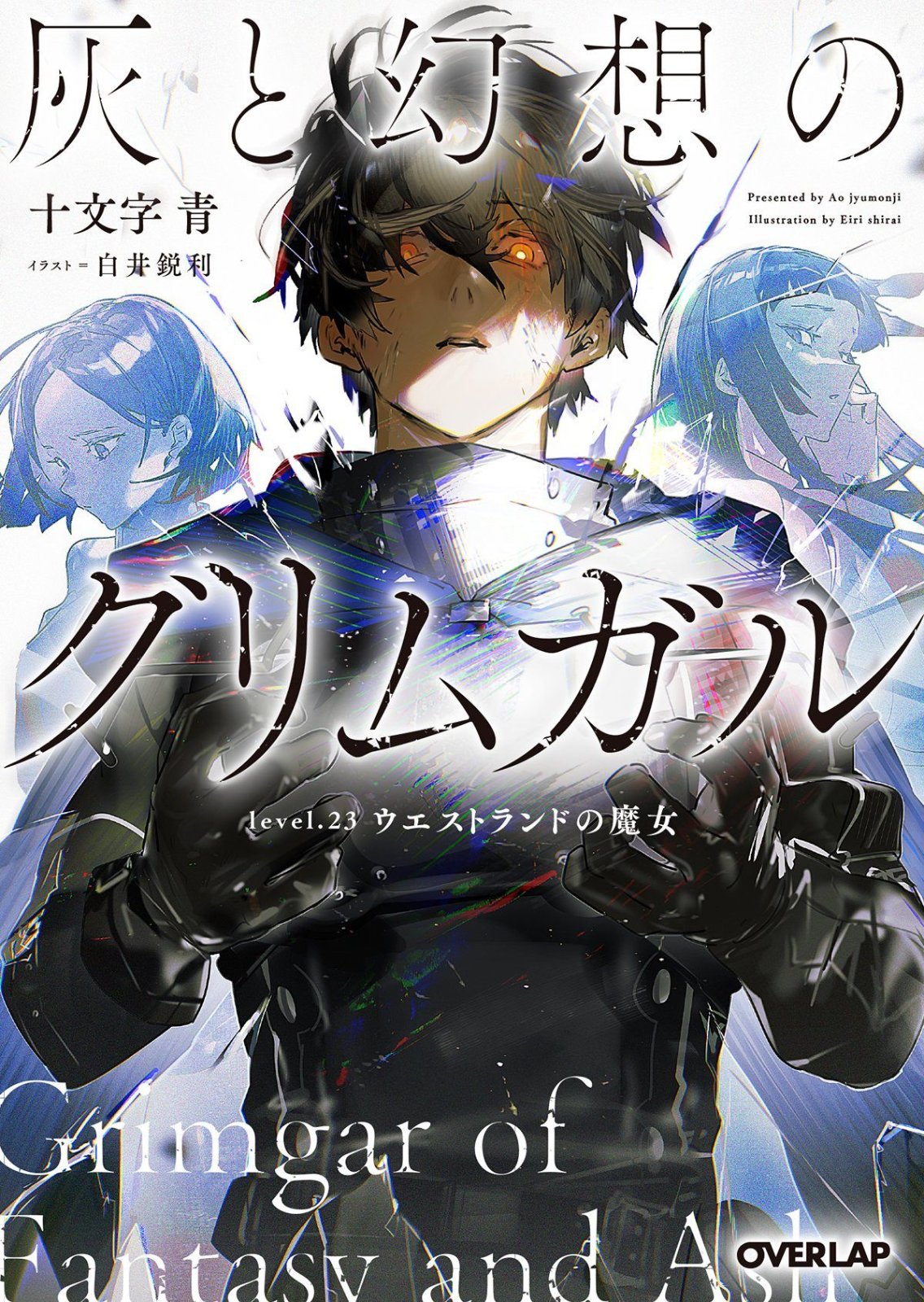
A light novel is a Japanese novella-length book, typically 40,000 to 50,000 words, published with manga-style cover art and occasional interior illustrations. The format emerged in Japan in the 1970s and exploded globally in the 2010s through anime adaptations of series like Sword Art Online, Re:Zero, and No Game No Life. Light novels are the source material for a huge chunk of the anime you've watched. If you've seen an isekai anime, there's a good chance it was adapted from a light novel.
But here's where it gets confusing. The term "light novel" refers to a specific Japanese publishing format, not just a genre or a reading level. And in the English-speaking world, the line between light novels and web novels has blurred. Many of the most famous light novels started as web novels on platforms like Shosetsuka ni Naro, then got picked up by publishers, edited, illustrated, and re-released as light novels. Sword Art Online started as a web novel. Re:Zero started as a web novel. That Time I Got Reincarnated as a Slime started as a web novel. The web novel came first. The light novel came second.
So what's the actual difference? And where do the free web novels on NovelDay fit in? This guide breaks it down. First, I'll explain what light novels are, where they came from, and how they differ from web novels, manga, and regular novels. Then I'll recommend free web novels you can read right now that capture the light novel experience: isekai premises, system mechanics, comedy, and the kind of page-turning pacing that makes you finish one chapter and immediately start the next.
What is a Light Novel?
A light novel (raito noberu, or ranobe for short) is a Japanese publishing format with these characteristics:
- Short length: Typically 40,000 to 50,000 words per volume. That's about 200 pages. Shorter than a Western novel (usually 80,000 to 100,000 words), but longer than a novella. The "light" in light novel refers to the reading experience, not the content. Light novels are designed to be consumed quickly. One volume, one sitting.
- Manga-style cover art and illustrations: Every light novel has a manga-style cover, usually by a professional illustrator. Interior illustrations appear every few chapters, depicting key scenes or character designs. This is the most visible difference between a light novel and a regular novel.
- Serialized in volumes: Light novels are published volume by volume, not as single standalone books. A series might run 5, 10, or 20+ volumes. Each volume tells a self-contained arc while advancing the overall story.
- Anime/manga adjacency: Light novels are the source material for a massive percentage of anime adaptations. Publishers actively acquire light novels with anime potential. The illustrations, character designs, and episodic structure are all designed with adaptation in mind.
- Genre conventions: Light novels cluster around specific genres: isekai (transported to another world), fantasy, romance, comedy, school life, and LitRPG-adjacent game-world stories. The protagonists are often young, the tone is often comedic, and the pacing is fast.
- Simple, punchy prose: Light novels are written in straightforward, accessible Japanese. The prose is not literary. It's designed to be read fast. Short sentences. Clear dialogue. Minimal description. This is a feature, not a bug. The "light" in light novel means the reading is easy.
The term "light novel" was coined in 1990 by Keita Kamikita, a Japanese sci-fi writer and critic, to describe a new category of young-adult fiction that was emerging in Japan. The format had existed since the 1970s, but Kamikita gave it a name, and publishers adopted it. By the 2000s, light novels were a dominant force in Japanese publishing, with imprints like Kadokawa Sneaker Bunko, Dengeki Bunko, and MF Bunko J churning out hundreds of series per year.
The global breakthrough came in the 2010s. Sword Art Online (2009) proved that a light novel about a game-world death game could become a global anime phenomenon. Re:Zero (2014) proved that a web novel about a protagonist who keeps dying and restarting could become a global anime phenomenon. That Time I Got Reincarnated as a Slime (2013) proved that a web novel about a salaryman reincarnated as a slime could become a global anime phenomenon. All three started as web novels. All three became light novels. All three became anime. The pipeline was established: web novel to light novel to anime to global franchise.
Light Novel vs Web Novel vs Manga vs Regular Novel
These four terms get confused constantly. Here's the breakdown:
Light novel: A Japanese publishing format. Short volumes (40,000-50,000 words), manga-style illustrations, serialized, published by a Japanese publisher like Kadokawa or Yen On. The key point: a light novel is published. It has an editor, an illustrator, and a print release. Sword Art Online is a light novel. Re:Zero is a light novel. Spice and Wolf is a light novel.
Web novel: Fiction published online, chapter by chapter, on a web fiction platform. No editor, no illustrator, no print release (initially). The author publishes directly. Web novels can be any length, any genre, any quality. The format is defined by the platform, not the content. Royal Road, Webnovel.com, Shosetsuka ni Naro, and NovelDay are all web novel platforms. Many light novels started as web novels. The web novel is the raw draft. The light novel is the polished, published version.
Manga: Japanese comics. Drawn panels, speech bubbles, visual storytelling. Manga is a visual medium. Light novels and web novels are text-based. A manga adaptation of a light novel translates the text into visual panels. Sword Art Online exists as a light novel (text), a manga (comics), and an anime (animation). Same story, different mediums.
Regular novel: A full-length prose book, typically 80,000 to 100,000 words, published as a single volume (or a trilogy, or a series). Regular novels don't have manga-style illustrations. They're not serialized in the same volume-by-volume way. They're not designed with anime adaptation in mind. Brandon Sanderson's Mistborn is a regular novel. George R.R. Martin's A Game of Thrones is a regular novel. The distinction is format, not quality.
The Venn diagram: light novels and web novels overlap heavily. Many light novels started as web novels. The difference is publishing status. A web novel becomes a light novel when a publisher picks it up, assigns an editor and illustrator, and releases it in print with manga-style art. Manga is a separate medium (visual, not text). Regular novels are a separate format (longer, no illustrations, different publishing model).
For English-language readers, the practical distinction is simpler. If you're reading fiction on NovelDay, Royal Road, or Webnovel.com, you're reading web novels. If you're reading a Yen On or Seven Seas release with manga-style cover art, you're reading a light novel (the published version of what may have started as a web novel). If you're reading a manga, you're looking at drawn panels. If you're reading a Tor or Orbit paperback with no illustrations, you're reading a regular novel.
Where Did Light Novels Come From?
The light novel format has roots in several traditions:
Japanese sci-fi magazines (1970s). The earliest precursors to light novels were serialized sci-fi stories in Japanese magazines like SF Magazine. These stories were short, punchy, and aimed at young readers. They established the template: accessible prose, fast pacing, genre premises, serialized publication.
The "light novel" label (1990). Keita Kamikita coined the term "raito noberu" in 1990 to describe the growing category of young-adult genre fiction that didn't fit neatly into existing publishing categories. Japanese publishers adopted the label and created dedicated imprints. Kadokawa Sneaker Bunko launched in 1993. Dengeki Bunko launched in 1993. MF Bunko J launched in 2002. These imprints defined the format: short volumes, manga-style covers, illustrations, and series that could run for dozens of volumes.
The web novel revolution (2004-present). Shosetsuka ni Naro launched in 2004 as a free web fiction platform where anyone could publish serialized novels. It became the incubator for the biggest light novel hits of the 2010s. Sword Art Online was first published online in 2002. Re:Zero was published on Shosetsuka ni Naro in 2012. That Time I Got Reincarnated as a Slime was published on Shosetsuka ni Naro in 2013. Overlord was published online in 2010. The Rising of the Shield Hero was published on Shosetsuka ni Naro in 2012. The pattern was the same: web novel first, light novel second, anime third.
The anime adaptation pipeline (2010s). By the mid-2010s, anime studios were adapting light novels at an unprecedented rate. The isekai boom was driven by light novel adaptations. Every season brought new isekai anime, almost all of them adapted from light novels that started as web novels. The global audience for anime became the global audience for light novels. Yen On, Seven Seas, and J-Novel Club began licensing and translating light novels into English at scale.
English-language web fiction (2010s-present). Royal Road launched in 2013 as an English-language web fiction platform inspired by Shosetsuka ni Naro. Webnovel.com (the English arm of Qidian) launched in 2017. NovelDay launched as another platform in the same tradition. English-language web novels adopted many light novel conventions: isekai premises, system mechanics, LitRPG elements, serialized publication, and the same fast-paced, page-turning prose style. The format crossed the language barrier.
That last point matters for this guide. The novels recommended below are English-language web novels that capture the light novel experience. They're not Japanese. They're not published by Kadokawa. But they share the DNA: isekai premises, system mechanics, comedy, fast pacing, and the kind of addictive chapter-by-chapter serialization that makes you hit "next" at 2 AM.
Characteristics of a Light Novel
Not every short novel with a manga-style cover is a light novel. The format has specific characteristics that distinguish it from other types of fiction:
1. Episodic structure. Each volume of a light novel tells a self-contained arc. You can pick up volume 3 without having read volume 1 and still follow the story. The overall plot advances, but each volume has a clear beginning, middle, and end. This is different from a Western fantasy series where each book ends on a cliffhanger and assumes you've read everything before it.
2. First-person or close third-person narration. Light novels almost always use first-person or very close third-person. The reader is inside the protagonist's head. Internal monologue is frequent. This creates the fast, intimate reading experience that defines the format. You're not watching the protagonist from outside. You're thinking alongside them.
3. Game-like mechanics. Many light novels incorporate game-like systems: stat screens, skill trees, level-up notifications, dungeon mechanics. This is the overlap with LitRPG, which I cover in my complete guide to LitRPG. Not all light novels have game mechanics, and not all LitRPG is a light novel. But the overlap is significant. Sword Art Online is both. Re:Zero is a light novel without being LitRPG. He Who Fights with Monsters is LitRPG without being a light novel (it's an English web novel).
4. Isekai premises. The isekai genre (transported to another world) is the most common light novel premise. The protagonist dies, gets summoned, or falls into a fantasy world. They start from nothing and build their way up. This is the overlap with progression fantasy, which I cover in my progression fantasy guide. The two genres share the weak-to-strong arc, the defined power system, and the serialized progression structure.
5. Comedy and self-awareness. Light novels are funny. Not all of them, but a huge percentage. The comedy is often self-aware: the protagonist knows they're in an isekai, comments on the tropes, and mocks the genre conventions. This meta-humor is a defining characteristic of modern light novels. That Time I Got Reincarnated as a Slime is genuinely funny. Overlord has dark comedy. KonoSuba is pure parody.
6. Character designs. Light novels are visual. The illustrator creates character designs that become the canonical look for the anime adaptation. Light novel readers often judge a series by its cover art the way Western readers judge a book by its title. The illustrations inside each volume reinforce the visual identity of the characters and the world.
7. Short chapters. Light novel chapters are short. 2,000 to 4,000 words. Designed to be read in 10-15 minutes. This is the web novel influence. When you're publishing chapter by chapter online, you need to keep readers coming back. Short chapters with cliffhanger endings are the engine of serialized fiction.
Not every light novel has all seven characteristics. But most have at least five. The novels recommended below share most of these traits, even though they're English-language web novels rather than Japanese light novels.
Free Web Novels That Read Like Light Novels
Every novel below is free to read on NovelDay, updated chapter by chapter. I've noted the reading time, chapter count, and what makes each one light-novel-like. These are the top-ranked novels on the platform by monthly readership, selected because they share the most light-novel DNA: isekai premises, system mechanics, school-life romance, comedy, and the kind of page-turning pacing that makes you finish one chapter and immediately start the next.
The list starts with the longest and most developed, then moves through the rest.1. The System Administrator
By its author · ~14 hour read · 125 chapters · Updating every weekday
An IT professional gets isekai'd into a world governed by a buggy system and has to literally become its system administrator. The system is broken. The notifications are full of errors. The skills don't work as described. And the protagonist, who spent his career fixing broken IT systems, is the only person who can figure out why.
This is the most explicitly light-novel-like novel on NovelDay. The isekai premise is textbook: protagonist from modern Earth, transported to a fantasy world with a system interface. The system mechanics are LitRPG-adjacent (stat screens, skill trees, level-up notifications), which I cover in my LitRPG guide. The comedy comes from the protagonist's IT-background commentary on the buggy system. It's the same self-aware humor that makes light novels like KonoSuba work. The protagonist knows the system is broken. He knows he's the one who has to fix it. He's not happy about it.
At 125 chapters and updating every weekday, it's the longest and most consistently updated novel on NovelDay. If you want to disappear into a light-novel-style binge for two weeks, this is the one. The isekai premise, the system mechanics, and the LitRPG-style stat screens are the light-novel DNA. I also featured this in my progression fantasy guide for its weak-to-strong arc. It works as all three: light novel, LitRPG, and progression fantasy.
If Sword Art Online hooked you but you wanted the system to be buggy and the protagonist to be an IT guy fixing it, this is your next read.
2. I Swear I Saw You Die
By its author · ~8 hour read · 56 chapters · Volume 1 complete
Tim is Immortal. Or so everyone thought. Despite losing his immortality, his Gift of healing and regeneration still made him nigh unkillable. He spends each undying day torn between wasting his life away gallivanting outside of home and being a good father to his daughter, Mia, until an encounter with a would-be assassin shatters his way of living, giving him the chance to give Mia a normal life in exchange for his own.
This is the #2 most-read novel on NovelDay this month, and the title alone tells you why it belongs in a light novel guide. "I Swear I Saw You Die" has the same long, declarative, premise-as-title energy as That Time I Got Reincarnated as a Slime or If It's for My Daughter, I'd Even Defeat a Demon Lord. The comedy is the light-novel DNA, but the fantasy and supernatural elements give it genre overlap with the isekai tradition. The immortal-protagonist-loses-immortality premise is the kind of specific hook that light novels excel at.
The emotional core is the father-daughter dynamic. Tim spends each undying day torn between wasting his life away and being a good father to Mia, until an encounter with a would-be assassin gives him the chance to give Mia a normal life in exchange for his own. That's the kind of emotional hook that makes the best light novels work. It's not just about powers. It's about a father trying to give his daughter a normal life. I featured this in my psychological horror guide for its darkness, but the comedy and the light-novel-style title earn it a place here too. At 56 chapters and 8 hours of reading, it's a solid weekend binge.
If the immortal-protagonist premise of To Your Eternity or the father-daughter dynamic of If It's for My Daughter, I'd Even Defeat a Demon Lord hooked you, this is your next read.
3. Faces we never saw
By its author · ~8 hour read · 28 chapters · Ongoing
Miyase Runa. Tojo Mika. Asakura Hina. Shirogane Yui. Four friends finding their way through high school. As their story begins, so too does the gradual unveiling of the hidden truths each of them carries within. Runa has always struggled academically. Her friends tried to help her. They failed. So they turned to the one person Runa never imagined she would have to speak to. Kuroiwa Rei. At first, everything was filled with doubt. Then, slowly, hope began to reveal itself. But at what cost?
This is the most traditional light-novel-style novel on NovelDay. No fantasy. No isekai. No system. Just school life, romance, and comedy, which is the holy trinity of light novel genres. Think Toradora!, My Youth Romantic Comedy Is a Lie, As I Expected, or A Silent Voice. The four-friends premise, the multiple POV structure, the love triangles, the misunderstandings, the slow reveal of hidden truths. This is what light novels look like when they're not about magic.
The story rotates between four friends, Miyase Runa, Tojo Mika, Asakura Hina, and Shirogane Yui, as they navigate high school and the hidden truths each of them carries. Runa has always struggled academically. Her friends tried to help her. They failed. So they turned to the one person Runa never imagined she would have to speak to, Kuroiwa Rei. The romantic engine is the love triangles and secret crushes that develop as these relationships shift. At #10 in the monthly rankings and 28 chapters, it's one of the most-read novels on the platform and the one that most directly captures the school-life romance light novel experience.
If Toradora! or My Youth Romantic Comedy Is a Lie hooked you, and you wanted the same genre in a free web novel, this is your next read.
4. Azela Incarnate
By its author · ~6 hour read · 39 chapters · Ongoing
Catherine was raised to be a priestess, but on the day of her ordination, she was exiled from the only home she ever knew. With nothing left to lose, she steals what may be the most profane and cursed item in the universe and sets out on a journey. By chance, she witnesses a woman being saved from a magical attack. This woman, Azela, finds herself in a bizarre world she knows nothing about. Their journeys intertwine and evolve into an odyssey of wonders, horrors, and mystery as they seek to uncover the secret behind Azela's origin, though they may not survive the answer.
This is the most fantasy-adventure light-novel-style novel on the list. The priestess-exiled-from-her-temple premise is straight out of the light novel playbook. Catherine was raised to be a priestess, but on the day of her ordination, she was exiled from the only home she ever knew. With nothing left to lose, she steals what may be the most profane and cursed item in the universe. Then she meets Azela, a woman who finds herself in a bizarre world she knows nothing about. Their journeys intertwine into an odyssey of wonders, horrors, and mystery as they seek to uncover the secret behind Azela's origin, though they may not survive the answer.
The dual-protagonist structure, Catherine and Azela, mirrors the kind of character dynamics that drive light novel anime adaptations. The psychological layer comes from the multiple personalities element, and the fantasy worldbuilding gives the story scope without making it feel like a generic fantasy. At #16 in the monthly rankings, 39 chapters, and 6 hours of reading, it's the mid-length entry on this list. Long enough to binge, short enough to finish in a week. I featured this in my high fantasy guide for its worldbuilding, but the priestess premise and the dual-protagonist journey earn it a place here.
If Grimoire of Zero or The Ancient Magus' Bride hooked you, but you wanted it darker and with a cursed artifact, this is your next read.
5. Welcome Traveler
By Discount Store Hero · ~3 hour read · 31 chapters · Weekly (Mon)
Three chimes. That's what Kai heard as he woke in a grave that shouldn't exist yet. He clawed his way to the surface only to find a frozen world that offered nothing to help him survive. And something has already noticed him. In Thunder Hallows, the silent clock tower tolls. A spark has ignited, beginning a new cycle and creating a new Realm. With it comes a Traveler. For some, it's hope. For Talis, it's just another failure waiting. He's found them, helped them, buried most of them.
This is the most atmospheric light-novel-style novel on the list. The isekai premise is dark: the protagonist wakes in a grave in a frozen world. The system is magic that "forces knowledge into his mind and allows him to reshape matter," not a clean stat screen. There's something inside the protagonist that's been locked away, and the story is the slow unsealing. The dungeon-crawling arcs are a staple of light novel fantasy, and the frozen-world setting gives them a survival edge that most dungeon novels don't have.
The light-novel DNA shows most clearly in Kai's snail companion, which has "impeccant manners" and is "already composing a eulogy." That kind of specific, comedic character detail is exactly what you'd find in a light novel. I also featured this in my LitRPG guide and progression fantasy guide. At 31 chapters and updating weekly, it's the most consistently updated novel on this list after The System Administrator.
If the dark isekai of Re:Zero or the frozen-world survival of Dr. Stone hooked you, but you wanted it with a polite snail companion, this is your next read.
Light Novels vs Web Novels — Which Should You Read?
If you're new to the format, the question is whether to start with published light novels (translated from Japanese) or English-language web novels (like the ones on NovelDay). The answer depends on what you're looking for.
Read published light novels if: You want polished prose, professional editing, manga-style illustrations, and the source material for anime you've watched. Published light novels are the finished product. They've been edited, illustrated, and translated. The reading experience is smooth. You can buy them from Yen On, Seven Seas, J-Novel Club, or BookWalker. The downside: they cost money, and the translation can sometimes feel stiff.
Read web novels if: You want free, serialized fiction that updates regularly. Web novels are the raw, unfiltered version of the format. No editor, no illustrator, no translation. The prose can be rough. The pacing can be uneven. But the energy is real. Web novel authors are writing for an audience that votes, comments, and reviews in real time. The feedback loop creates a kind of urgency that polished published fiction can't match. And the serialization means you always have a next chapter to look forward to.
Read both if: You want to understand the full pipeline. Start with a web novel on NovelDay. Read it chapter by chapter. Then pick up the published light novel version of a series you know (like Re:Zero or Overlord). Compare the two. The differences will teach you more about the light novel format than any guide can.
Famous Light Novels to Start With
If you want to read the published light novels that defined the format, here's the quick list:
- Sword Art Online by Reki Kawahara — the light novel that launched the modern isekai boom. Started as a web novel in 2002. Published by Kadokawa in 2009. Anime adaptation in 2012. The premise: players trapped in a VR MMORPG where death in the game means death in real life. If you've read any LitRPG, you've read something influenced by SAO.
- Re:Zero by Tappei Nagatsuki — the light novel that proved isekai could be dark. Started as a web novel on Shosetsuka ni Naro in 2012. Published by MF Bunko J in 2014. Anime in 2016. The premise: a NEET is transported to a fantasy world and discovers he can return from death by rewinding time, but only by dying first. The psychological toll of dying repeatedly is the story.
- That Time I Got Reincarnated as a Slime by Fuse — the light novel that proved isekai could be wholesome and comedic. Started as a web novel on Shosetsuka ni Naro in 2013. Published by Kodansha in 2014. Anime in 2018. The premise: a salaryman is reincarnated as a slime in a fantasy world and builds a nation of monsters. The kingdom-building angle is the same one that drives The Dark Lord Saved the Heroine on NovelDay.
- Overlord by Kugane Maruyama — the light novel that proved isekai could have an overpowered villain protagonist. Started as a web novel in 2010. Published by Enterbrain in 2012. Anime in 2015. The premise: a player of a VR MMORPG remains logged in as his undead overlord character when the game shuts down, and finds himself in a fantasy world with his NPC subordinates. The "overpowered but in a new world" premise is the same one that drives The Dark Lord Saved the Heroine.
- KonoSuba by Natsume Akatsuki — the light novel that proved isekai could be pure comedy. Started as a web novel on Shosetsuka ni Naro in 2012. Published by Kadokawa in 2013. Anime in 2016. The premise: a NEET dies and is offered the chance to be reincarnated in a fantasy world with a "cheat item." He chooses a goddess who turns out to be useless. The party is universally incompetent. The comedy is relentless.
- No Game No Life by Yuu Kamiya — the light novel that proved isekai could be about games instead of combat. Published by MF Bunko J in 2012. Anime in 2014. The premise: a pair of gamer siblings are transported to a world where everything is decided by games. No war. No violence. Just games. The art is gorgeous. The puzzles are clever.
- The Rising of the Shield Hero by Aneko Yusagi — the light novel that proved isekai could be about injustice and redemption. Started as a web novel on Shosetsuka ni Naro in 2012. Published by MF Bunko J in 2013. Anime in 2019. The premise: a man is summoned as one of four heroes, but his weapon (a shield) is considered useless, and he's falsely accused of a crime. The story is about him clearing his name and proving the shield's worth.
- Spice and Wolf by Isuna Hasekura, the light novel that proved the format could be literary. Published by Dengeki Bunko in 2006. Anime in 2008. The premise: a traveling merchant discovers a wolf goddess and they travel together. The story is about economics, trade, and the relationship between a human and a deity. No combat. No leveling up. Just two people talking and trading. It's the light novel that proves the format can do anything.
Every one of those except Spice and Wolf started as a web novel. The pipeline is the same: write it online, build an audience, get picked up by a publisher, get an anime adaptation. The novels on NovelDay are at the first stage of that pipeline. They're the web novels. The published light novels and anime adaptations might come later.
Where to Read Light Novels and Light-Novel-Style Fiction
If you want to read published light novels (translated from Japanese), the main English-language sources are:
- Yen On, the largest English-language light novel publisher. Home of Sword Art Online, Re:Zero, Spice and Wolf, and many more.
- Seven Seas, publishes light novels alongside manga. Home of That Time I Got Reincarnated as a Slime and KonoSuba.
- J-Novel Club, digital-first light novel publisher. Home of If It's for My Daughter, I'd Even Defeat a Demon Lord and many isekai titles.
- BookWalker. Kadokawa's digital bookstore. The largest selection of Japanese light novels in English.
If you want to read free web novels that capture the light novel experience, you're already in the right place:
- Browse all Isekai novels on NovelDay
- Browse Fantasy novels for the broader catalog
- Browse Comedy novels for the light-novel humor
- Browse LitRPG novels for system-driven fiction
- Browse Adventure novels for action-driven stories
- Read my other guides: What is LitRPG? A Complete Guide, What is Progression Fantasy? A Complete Guide, and Best High Fantasy Books to Read Free Online
If you're new to light-novel-style fiction, start with Welcome Traveler. It's a ~3 hour read, and it'll tell you within one afternoon whether the format is for you. If it hooks you, The System Administrator is your next stop. 125 chapters, updating every weekday, and the most consistently updated light-novel-style web novel on the platform. For school-life romance in the light novel tradition, Faces we never saw is the one that most directly captures the Toradora! experience.
And if you're a writer thinking about serializing your own light-novel-style fiction, NovelDay is built for exactly that. The pipeline starts here.
Written by the NovelDay editorial team. Follow more genre guides and book recommendations on The Storyteller's Journal.