How to Write Horror That Actually Scares People
Here is the uncomfortable truth about horror writing advice: most of it tells you to "scare the reader" without explaining the mechanism. Gore does not scare people. Jump scares do not scare people for longer than a second. What scares people is dread, the slow certainty that something is wrong and it is getting worse and nobody can stop it. Everything else, the monsters, the blood, the dark, is decoration on that engine. This guide breaks down how the mechanism actually works, with examples from horror serials running on NovelDay right now, and ends with the mistakes that kill most horror drafts before chapter three.
Make the Reader Complicit
The most durable horror trick is getting the reader to want the thing they fear. When a character walks toward the basement, terror only lands if the reader simultaneously wants them to go down and wants them to stop. Curiosity against self-preservation is the engine of the whole genre.
Show Less of the Monster
Every horror writer learns this rule and then breaks it anyway, so it is worth being concrete about why it exists. The reader's imagination is the largest special effects budget in the world. The moment you describe the monster precisely, you have capped what it can be. Leave it half-seen and every reader fills the shadow with whatever frightens them personally.
A useful test for your own scenes: delete half the description of the frightening thing and see if the passage got worse. Usually it gets better. If it did not, the problem was never the description.
The Body Is Horror's Home Turf
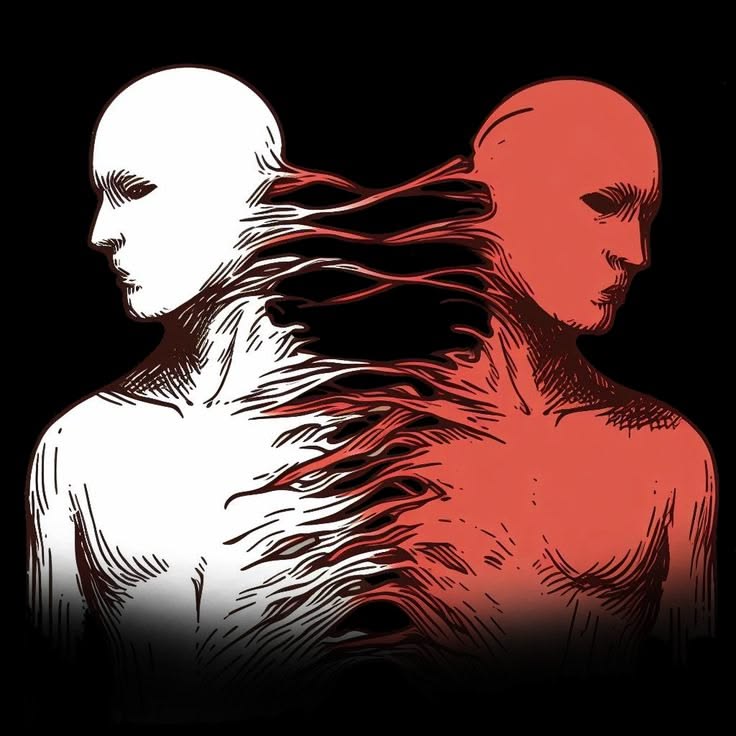
Psychological dread is the genre's ceiling, but physical transformation is its foundation. Body horror works because it is non-negotiable: the character cannot simply choose not to be afraid of what is happening to their own flesh. It also externalizes internal states, which is why transformation horror and self-loathing so often travel together.
![I Swear I Saw You Die [Vol 2 Complete]](https://novelday.net/api/novels/14777/image/1789223828)
It is worth noting the flip side too: body horror fails when the transformation is arbitrary. A character mutating for spectacle is a magic trick, not horror. The test is whether removing the transformation would still leave the character's problem intact. If yes, the scene is decoration. If the change IS the problem made visible, you are writing real body horror.
Dread Beats Shock, Always
Shock is a spike: something jumps out, the reader flinches, and a page later it is gone. Dread is a slope: the reader knows something is coming and cannot look away from its approach. Neuroscience and a century of horror craft agree on this. Fear lives in anticipation, not arrival. The moment the trap springs, terror converts to adrenaline and starts decaying. The long walk toward the trap is where horror lives.
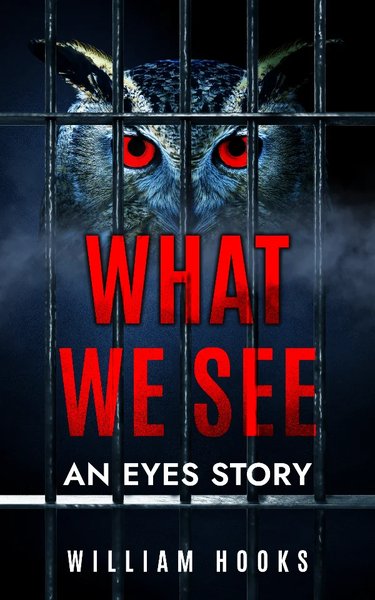
The takeaway for your draft: if a scene only works because of what happens at the end of it, you wrote shock. If it works because of what the reader suspects is coming, you wrote horror.
Setting as an Accomplice
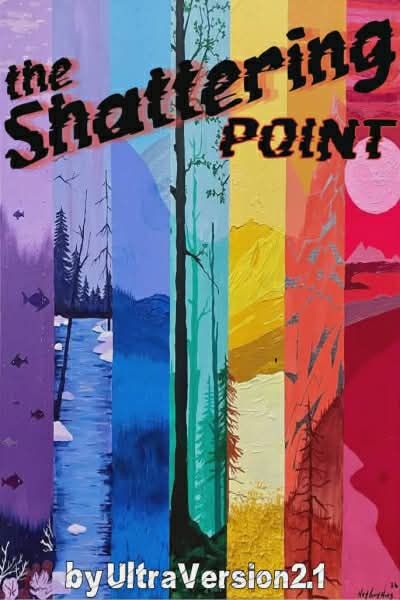
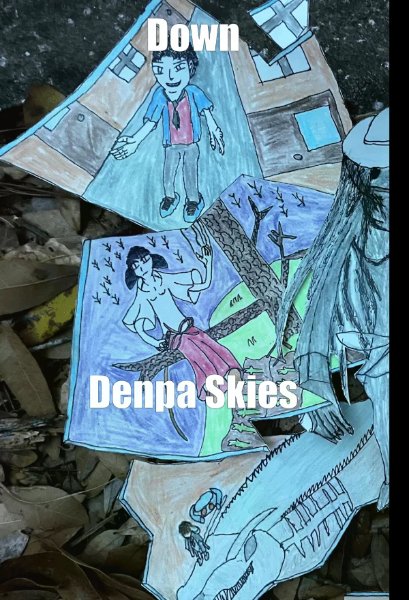
Fear needs a place to live, and the best horror settings work as co-conspirators rather than backdrops. The fog-choked world in Denpa Skies is not where scary things happen; it is the scary thing, an environment whose rules are wrong. Same with The Shattering Point's collided Earth: the hometown the survivors spent years fighting to reach turns out to be hostile ground in ways nobody can name, so the destination itself becomes the threat. There is nowhere to run because the danger is the ground under the protagonist's feet.
The craft principle: a horror setting should constrain, not just contain. Small towns that won't let you leave, buildings that rearrange, worlds with broken rules. When the environment itself is hostile and unexplained, every scene inherits its dread for free. Writers who treat setting as wallpaper spend entire chapters generating fear by hand; writers who treat it as an accomplice get it for nothing.
Pacing: The Quiet Between Scares
Horror at full intensity is not horrifying, it is exhausting. Readers acclimate within chapters, sometimes within pages. The serials that sustain fear for a hundred chapters do it with rhythm: ordinary life, wrongness, ordinary life, deeper wrongness. The ordinary stretches do two jobs. They lower the reader's guard, and they give the fear something to threaten. You cannot endanger a world the reader never saw at peace.
This is also why slice-of-life chapters are not filler in horror serials. They are the calibration that makes the next wrong turn register. If every chapter escalates, the reader learns that escalation is safe. Let them relax. Then take it back.
Writing Horror for the Serial Format
Serialized horror has specific advantages worth exploiting. Chapter endings are your most reliable tool: a horror serial can end on the reveal, the realization, or the door opening, and the week-long wait does your dread work for free. Escalation can also run slower and still hold readers, because the audience self-selects for patience. And reader discussion threads give you live data on which fears landed, which is market research novelists had to guess at.
The format has one trap: pacing demands restraint at chapter level too. A serial that peaks at chapter twenty has nowhere to go at chapter two hundred. Seed the big wrongness early, reveal it slowly, and let each answer open a worse question. A second trap is subtler: the temptation to front-load your scariest material to hook the first-time reader. Resist it. A serial's first chapters should establish what is at stake and hint at wrongness, not detonate it. Readers who follow horror serials are committed to the slow burn; burning bright early trains the rest of the audience to expect a peak you cannot sustain.
One more serial-specific technique worth stealing: recap dread. Because chapters arrive weekly, readers carry each installment's dread into real life for days. You can use that gap deliberately: end a chapter on an unresolved wrongness, and the reader spends a week living inside the dread you built. Novelists can't do that. You can, and the best horror serials design cliffhangers specifically to ferment during the wait.
The First Chapter Problem
Horror has a specific opening dilemma other genres don't face. Open with the scary thing and you've spent your best card on readers who haven't learned to care yet. Open with ordinary life and you risk readers deciding nothing happens. The craft answer is the wrongness seed: open ordinary, but plant one detail that doesn't fit and don't explain it. A door that was locked is open. A neighbor waves at someone who isn't there. The reader doesn't need terror in chapter one; they need a splinter of doubt that tells them this world is not quite honest. Plant it early and trust it to grow.
This is also where the genre's oldest advice holds up: write the character first, the horror second. If readers know who your protagonist is and what they have to lose before the dark arrives, the dark arrives with stakes attached. Horror spent on strangers is weather, remember — the first chapter's job is to make the protagonist not-a-stranger, and everything else can wait.
The Mistakes That Kill Horror Drafts
Gore as a substitute for fear. Graphic violence shocks for one page and numbs for ten. If a death scene only works because of what it describes, it will never survive a second reading.
Explaining the horror. The moment the reader understands the monster's rules completely, it becomes a puzzle instead of a threat. Explain enough to keep the story legible; never enough to make the dark comfortable.
Characters who act stupid to enable the plot. Readers forgive a character who walks into danger for a real reason. They never forgive one who walks in because the author needed them to.
Escalation without rest. Constant intensity reads as noise. Horror needs quiet chapters or it becomes a parade of set pieces.
Forgetting who is afraid. Horror is not about the scary thing. It is about a specific person experiencing it. The reader fears for characters they know; strangers' terror is just weather.
Reading as a Horror Writer
The fastest way to improve is to read horror with a notebook open, not for what scares you but for how. When a serial chapter leaves you uneasy, stop and reverse-engineer it: was it the withheld detail, the reader-ahead-of-the-character gap, the ordinary made slightly wrong? Horror mechanics are learnable precisely because they are mechanical; the authors doing it well are running identifiable plays. The five serials cited in this guide are a working syllabus, because they run five different engines: complicity, restraint, withheld truth, anticipation, and embodiment. A writer who can name which engine a scene runs on can fix one that stalls.
Worth saying plainly: horror is the genre where studying other writers pays back fastest, because fear is an involuntary response. When something scares you, the technique that produced it is sitting right there in the prose, unguarded. Steal it.
The Fear You Can't Fake
One last thing the craft checklists leave out. Horror readers can tell when the author is going through the motions, because the genre's machinery only works when it is aimed at something the writer actually finds unsettling. The serials that work, the ones cited throughout this guide, are each afraid of a different thing: losing a sibling, a hometown that never felt honest, a neighborhood quietly replaced by fog, a homecoming that was never what you remembered, a body that refuses to stay dead. Whatever your version of that is, it is the ingredient no technique supplies. The mechanics in this article are a delivery system; the payload has to be yours.
Where to Publish Your Horror
If you have a horror story in progress, serial form flatters the genre more than any other. Weekly chapters are pacing tools, cliffhangers are free dread, and horror readers are among the most loyal audiences in web fiction. The practical upside is worth spelling out: a horror serial does not need to be finished to start finding readers, which means your audience grows alongside the manuscript instead of waiting for a completed draft and a submission queue. And the feedback loop is unusually kind to horror, because dread is measurable in real time — readers tell you which chapters kept them up, which is the only review metric the genre actually respects.
Publish it on NovelDay free: ownership stays with the author, and reader support from Patreon, Ko-fi, or PayPal pays out directly with nothing skimmed. Our horror reading list shows the shelf you would be joining, and the unreliable narrator guide covers one of the genre's best tools if your horror lives in a character's head.
Writing Horror: Your Questions
How do I make my horror story scarier without more gore? Swap description for anticipation. Cut the explicit scene, extend the approach to it, and give the character a reason to keep going that the reader shares. Gore is the receipt; dread is the purchase.
Should I reveal the monster early or late? Late, but seed it early. Readers should sense the wrongness long before they see its shape. Reveal enough to keep the rules legible, never enough to make it safe.
What makes horror different from thriller or dark fantasy? Intent. Thriller wants adrenaline, fantasy wants wonder, horror wants dread. The same events (pursuit, transformation, death) play differently depending on which feeling the story is engineered to produce.
How long should a horror chapter be? Whatever ends on the right beat. In serial form, chapters are pacing units: end them on reveals, realizations, or the moment before something happens. Our chapter-length data has real numbers if you want them.
Can horror have happy endings? Yes, if earned. The genre punishes unearned relief, not hope itself. A character who survives the dark carries it out with them; that is honest. Defeating the dark entirely is a different genre.
Is it okay to mix horror with other genres? Almost required. Horror-romance, horror-comedy, horror-mystery hybrids are where the freshest work lives. Horror is a seasoning as much as a genre; it intensifies whatever it is mixed into.
How do I write horror if nothing scares me personally? Write what unsettles rather than what terrifies. Discomfort, wrongness, things that should not fit: if it makes you put the book down at night and think about it, it works on readers too.
Where can I publish a horror serial? NovelDay is free, you keep all rights, and the horror shelf is one of the catalog's strongest. Readers there actively follow ongoing serials.
How do I come up with horror ideas that aren't clichés? Start from the fear, not the monster. Clichés live at the creature level (another zombie, another haunted house) but fears are inexhaustible: being forgotten, being replaced, watching yourself become someone you don't recognize. Pick a fear that actually bothers you, then ask what shape would embody it. The monster that grows from a real fear is almost never a cliché, because your specific dread has specific details only you would think of.