How to Write a Villain Readers Actually Remember
Ask readers to name the character they remember from a story they loved, and a surprising share of the time they name the villain. Not the hero, not the love interest. The villain. There is a reason for that: a hero's job is to want something and chase it, which is relatable but structurally simple. A villain's job is to be the argument the whole story is having with itself, and that is a much richer thing to write.
It is also the thing most beginner villains are not. The standard failure is a character who is evil because the plot needs someone to be evil, who arrives when the story needs conflict and leaves when it needs resolution. Readers can feel the scaffolding. This post is about the alternative: how to build an antagonist who feels like a person making choices, who wins often enough to be feared, and who makes the hero's victory mean something.
What a Villain Actually Is (And Is Not)
Start with the function, because it clears up most of the confusion. A villain is not the character who does bad things. A villain is the force that makes the hero's choices difficult and expensive. That is the whole job. Everything else, the evil laugh, the tragic past, the scary design, is decoration on top of that function.
Once you see it that way, two common mistakes become obvious. The first is confusing "villain" with "obstacle": a locked door is an obstacle, a storm is an obstacle, and neither is memorable because neither has a point of view. The second is confusing "villain" with "evil": a well-intentioned extremist who genuinely believes the city must burn to be saved is a better villain than a demon who burns cities because demons do that. The first has a logic the reader can follow and disagree with. The second has a costume.
This framing also explains why "the villain" and "the antagonist" are not always the same character. The antagonist is whoever applies the pressure in a scene; the villain is the figure the pressure ultimately traces back to. Your hero can spend an arc fighting a rival who is decent at heart, while the real villain never appears once. Keeping the two labels separate is what lets layered stories work at all.
The Four Failure Modes
Most forgettable villains fail in one of four predictable ways. Worth naming them, because they are easy to spot in your own draft once you know what to look for:
- Evil for evil's sake. The villain wants power, destruction, or suffering because the story needs a reason for the hero to act. There is no internal logic, so every villain scene is the same scene: they do a bad thing to show they are bad.
- Invincible until the plot says otherwise. The villain effortlessly defeats everyone for the entire story, then loses in chapter ninety because it is time to lose. Nothing changed about them; the author just ran out of book.
- The obstacle that talks. The villain exists to create problems, delivers threats in dialogue, and has no life, goals, or scenes of their own. Remove them and the story does not change structurally, which means they were never load-bearing.
- The misunderstood protagonist. The villain is so sympathetic, so reasonable, so clearly right that the hero's opposition starts looking arbitrary. Sympathy is a tool, but when the villain out-argues the hero, you have not written a villain; you have written a second hero and a conflict that cannot resolve.
Give Them a Logic, Not an Excuse
The most useful craft advice about villains fits in one sentence: the villain is the protagonist of a different story. In their own head, they are not the antagonist. They are the one who saw the problem clearly, made the hard choice, and kept going when it cost them. Everything the hero does looks, from inside the villain's story, like the thing standing in the way.
The practical version: you should be able to write the villain's case in a paragraph that almost convinces you. Not an excuse for what they do, an explanation of why someone smart, with their history and their values, concludes that this is the correct action. If your paragraph only makes them sound bad, they do not have a logic yet. If it makes them sound half-right, they do.
This is also what separates a villain from a monster. Monsters do not reason; they destroy. Villains reason, and the horror is watching the reasoning work. The best villains in fiction are the ones where you can follow every step of the logic and arrive somewhere terrible anyway.
A quick worked example, because the difference is easier to feel than to describe. Weak version: "The warlord burns villages because he is cruel and wants the throne." Everything there is a label. Stronger version: "The warlord watched three ceasefires fail and concluded that the only treaty anyone keeps is the one signed in ash; every village he burns is a demonstration he believes ends the war faster than negotiation ever did." Now he has a theory, a history that taught it to him, and a goal (peace) that is legible even while the method is monstrous. The reader can argue with the second villain. There is nothing to argue with in the first.
Let Them Win, and Make It Cost Something
A villain who never wins is a scheduling problem, not a threat. Readers learn quickly whether the antagonist can actually hurt the story, and once they learn the villain only almost-succeeds, every villain scene stops carrying tension.
The fix is mechanical: let the villain score real victories, and make them permanent. Burn the safehouse. Turn the ally. Take the thing the hero cannot get back. A victory that gets undone next chapter teaches the reader that nothing matters; a victory that stays lost teaches the reader that the villain matters. Stakes are not what the villain threatens. Stakes are what the villain has already taken.
Cost works on the villain's side too. A villain who pays nothing for their power is a power fantasy wearing the wrong costume. The good ones are always spending something: their health, their relationships, the version of themselves they used to be. That expenditure is what makes them feel real rather than infinite.
One practical test: pick the villain's three biggest victories so far and ask what each one permanently changed. If the honest answer is "a character was sad for two chapters," the victories were theater. If the answer is "the safehouse is gone, the mentor is dead, and the map to the capital burned with them," the villain is doing their job. Damage that heals instantly is not damage; it is pacing.
The Mirror Question
The strongest villains have a specific relationship to the hero: they are the version of the hero that made different choices. Same wound, different response. Same ambition, different ethics. Same power, different limits. When the reader can see the hero in the villain, the story stops being about beating a bad guy and becomes about what the hero might have been, which is the question that makes endings land.
You do not need a perfect mirror. You need one shared variable: the thing both characters want, or fear, or believe. Everything else can diverge as far as you like, and in good stories usually does.
The Villain's Voice
Most villain scenes are conversations, which means most of your villain is voice. The trap is theatrical menace: the threats, the monologuing, the elaborate speeches about how dangerous they are. Real menace is quieter. The villains who unsettle readers are the ones who are calm, specific, and a little bit curious, because certainty does not need volume. A villain who says exactly what they will do and why, in plain sentences, is scarier than one who rants, because the reader believes them.
Two habits worth stealing. First, let the villain talk about something other than their plan: their food going cold, a question about the hero's family, an observation about the weather. Indifference to the stakes the hero is dying over is its own threat. Second, let them be right about something small and true. A villain who notices a real flaw in the hero's plan, and says so politely, does more damage than three chapters of threats.
Redemption: When to Offer It, When to Refuse
The redemption question deserves care because it is where many otherwise-good villains collapse. A redemption arc works when the villain's logic was always partially right and the cost of changing sides is real; they have to give something up to turn, and the story has to make them pay for what they already did. A redemption that arrives because the villain was "misunderstood all along" retroactively erases their victories, and with them, every scene that made them matter.
The alternative is underused and usually stronger: the villain who understands perfectly and refuses anyway. Not because they are stupid, but because their logic genuinely does not bend. Those endings are harder to write and easier to remember, because they keep the villain coherent all the way down. Redemption is a choice the character makes; it is not a reward the plot hands out for being compelling.
Villains in Serialized Fiction
Villains in Serialized Fiction
Serial fiction changes the villain's job in two specific ways. First, a serial runs for dozens or hundreds of chapters, which means the villain cannot be a single wall the hero eventually climbs; they have to be an ongoing presence that evolves between appearances. The serial villain who shows up only to fight is the one readers forget between arcs.
Second, serialization rewards layered antagonism. The successful pattern on most platforms is not one villain but a ladder: a visible antagonist for the current arc, a larger force behind them, and occasionally something past that which the reader glimpses early and understands late. Each rung buys you an arc, and the gaps between rungs are where dread lives.
The skill nobody talks about is the off-screen villain: what your antagonist is doing during the twenty chapters they do not appear. Readers assume the villain is busy, and good serials reward that assumption with evidence: a policy shifts, an ally gets turned, a rumor reaches the hero three chapters before the army does. If your villain only exists while they are on-page, the world stops moving when they leave it, and readers feel the pause even if they cannot name it.
Four serials on the platform each handle a different villain problem, and together they cover most of what this post describes:
1. The Dark Lord Saved the Heroine
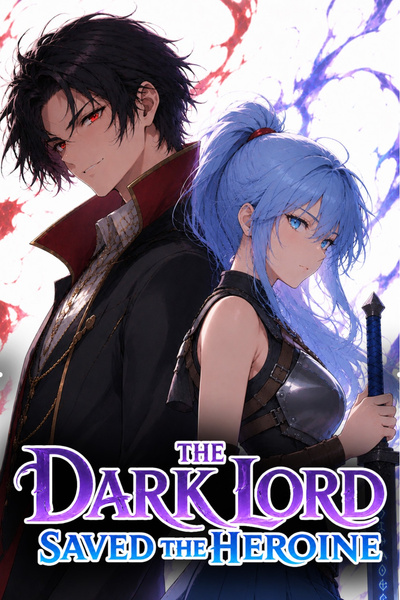
The villain-POV premise taken literally: Milo Miles dies broke and single, and the afterlife bureaucracy assigns him the role of Dark Lord, instant level 9999 and a destiny he never asked for. This is "the villain is the protagonist of a different story" rendered as the whole book: the title's antagonist is its lead, and watching him occupy the role is a working demonstration of how a villain's logic reads from the inside.
Read The Dark Lord Saved the Heroine on NovelDay
2. What We Are: An Eyes Story (Book Two)
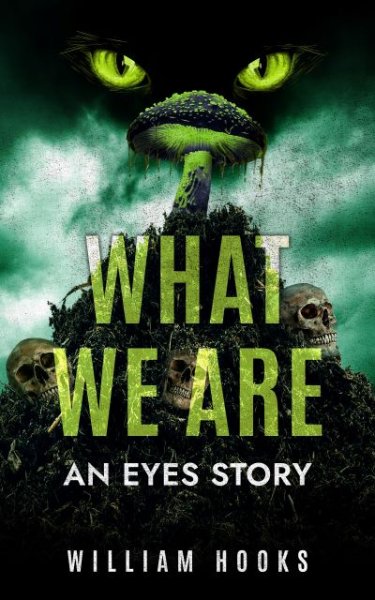
The antagonist here is not a person at all but The Company, an organization that collects people and operates at a scale the protagonists cannot map. Institutional villainy is the hardest kind to write because there is no face to hate; the trick this serial pulls is giving the institution a personality through its methods, so the reader learns to dread the pattern before they ever meet anyone in charge.
Read What We Are: An Eyes Story (Book Two) on NovelDay
3. Carrion Mind
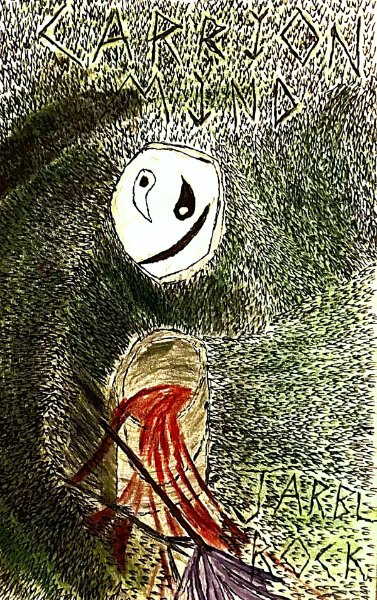
The antagonist is a place: a dreamscape that corrupts whatever enters it, rotting thought and memory. Writing a villain that cannot speak or scheme is a different craft problem entirely, and the answer here is environment-as-motivation, a world whose rules are themselves hostile. It is a short, complete read and a useful case study in making a setting do the villain's work.
4. I'm Only Here To Distract The Hero
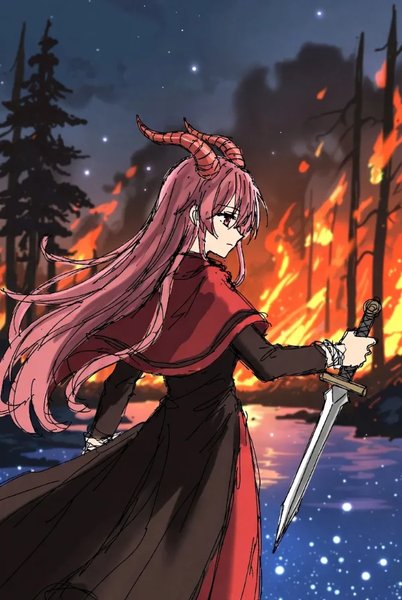
The disposable villain's interiority: Aerida's entire job was to fight the hero and die so the Demon Lord could buy time, the classic mid-arc henchman fate, until the hero intervenes and splits her own soul to save her. Every craft post about "minor villains" assumes they are furniture; this serial asks what the furniture's story looks like, which is exactly the exercise that produces memorable antagonists.
Read I'm Only Here To Distract The Hero on NovelDay
For more on the character side, our guide to morally grey characters covers the spectrum between hero and villain, and the antihero explainer handles the case where the protagonist is the morally complicated one. Dialogue is where most villains reveal their logic; the dialogue rules apply there too.
A Working Checklist
Villains get written in bursts and read in moments, so it helps to check the work the way a reader will encounter it: quickly, in the middle of a chapter, often weeks after you drafted the plan. Before you call a villain done, run them through this:
- Can you state what they want in one sentence that is not "to win"?
- Can you write their case for their actions in a paragraph that half-convinces you?
- Have they won something that stays won?
- Do they have scenes where they are not threatening anyone?
- What are they spending to be this?
- Could the hero, in a different mood, have become them?
If the first three are yes, you have a villain. If all six are yes, you probably have the character readers will name months later when someone asks what they remember about your story.
Quick Answers on Writing Villains
How do you write a good villain? Give them a goal that is not evil, a logic that almost convinces, and let them score permanent victories. A villain readers fear is one who has already taken something and might take more.
Does a villain need a tragic backstory? No. Backstory explains, but it does not justify, and confusing the two produces villains who feel excused rather than understood. Plenty of memorable villains have ordinary origins; what matters is that their choices follow from a logic the reader can trace.
Can the villain be more interesting than the hero? Yes, and it happens constantly, but it is a warning sign if the villain is more right than the hero. Interesting is fine; correct is a problem, because it undermines the conflict's spine.
Should the villain get POV chapters? Optional but powerful in serialized fiction. A villain POV chapter is the fastest way to show their logic, their costs, and their next move, and serial readers respond well to the dramatic irony it creates. Use them sparingly; the villain's interiority is most effective in small doses.
How do you write a villain's death or defeat? By making it cost something on both sides. The satisfying defeats are the ones where the villain loses because of their own logic, not despite it: the flaw that made them dangerous is the same flaw the hero finally exploits.
What if my villain is not a person? Organizations, systems, places, and forces all work, and some of the best antagonists in fiction are institutions. The craft question stays the same: does it have a logic the reader can follow? A faceless enemy still needs a pattern.
How many villains should a serial have? Usually a ladder rather than a number: one active antagonist per arc, one larger force behind them, and something past that you reveal slowly. Serialized fiction rewards escalation, and a single villain rarely survives five arcs of exposure.
And when you want the full inversion — the villain as the protagonist rather than the obstacle — our villain protagonist picks are the reading list for it.
Ready to put a villain on the page? Start writing on NovelDay, or browse the library to study how the serials above handle their antagonists.