Second Person Point of View: The Rarest Lens in Fiction
You are currently reading an article about second person point of view, which means that for one sentence, you just experienced the thing itself. That sentence did to you what no first-person "I" or third-person "she" can do: it made the reader the subject. Second person is the least-used major lens in fiction, the one most readers have encountered only in choose-your-own-adventure books and instruction manuals, and the one that produces the strongest reactions in both directions when a writer actually commits to it fully.
It is also the lens with the strangest relationship to web fiction specifically, because serial and interactive forms have been quietly producing second-person experiments for years, in forum quests, in LitRPG system notifications, in game fiction where the reader-protagonist is the whole point. This guide covers what the device actually is, when it works, why most attempts fail, and three live serials on NovelDay where a "you" voice is doing a different job in each.
What Second Person Point of View Actually Is
Second person is the narrative mode where the protagonist is named "you," and the "you" in that sentence is doing the thing itself. Instead of "I walked into the room" (first) or "she walked into the room" (third), the narrator says "you walk into the room," and the reader is positioned inside the character whether they asked for it or not. The pronoun does the work that a name or a camera position does in other modes: you are not told about the protagonist, you are assigned the role.
That assignment is the whole mechanism, and it is why the mode feels different in the body before it feels different on the page. First person is a voice you listen to. Third person is a person you watch. Second person is a self you are issued, and being issued a self is either the most immersive experience fiction offers or a mild affront, depending on whether the self fits. That high-variance property is the reason the lens is rare, not a flaw in it.
The canonical examples are worth naming because they are genuinely rare: Jay McInerney's Bright Lights, Big City is the most famous sustained literary use, Calvino's If on a winter's night a traveler addresses the reader as "you" and makes the act of reading the plot, and N.K. Jemisin's The Fifth Season uses second-person sections for a specific character the narration refuses to let you observe from outside. Interactive fiction runs on it entirely. A "you" protagonist is the defining texture of choose-your-own-adventure books and the modern quest-thread format, where the audience literally votes on what "you" do next.
What second person is not: a narrator who occasionally addresses the reader ("you might be wondering") is using direct address, a different and much older device. The test is whether "you" names the protagonist or the audience. In true second person, it names the protagonist.
Why Writers Reach for It Anyway
If the device is so rarely used, why does it keep attracting writers? Because it does four things no other lens can do as cleanly. First, forced intimacy: "you" collapses the distance between reader and character in a way even first person cannot, because the reader is not invited to empathize with someone, they are conscripted into being someone else entirely. Second, accusation: second person can make the reader complicit, which is why thrillers and horror use it for unreliable or predatory narration. Third, game logic: any story about being controlled, tested, or instructed (a system, a gauntlet, a tutorial) finds its native grammar in "you," which is why LitRPG and game fiction have adopted it in a place nobody expected: the system notification. Fourth, voice as premise: when a god, a ghost, or a possessing spirit is doing the narrating, "you" is often the only honest pronoun, because the narrator is literally speaking to the person inside the body.
That last one is the secret gift of genre fiction. In LitRPG serials, second person is already everywhere: the System speaks in "you." You have gained a level. You have entered a dungeon. You are not authorized. Readers have absorbed thousands of words of second-person narration without noticing, because it arrived wearing a blue box. The device is not rare in genre at all; it is rare in the narrator's chair, which is a much more interesting place for it to live.
There is a reason the mode keeps resurfacing even though it is hard. Every other lens presumes a listener. Second person presumes a participant. For stories about being watched, being tested, being possessed, being addressed by something that knows you are there, no other pronoun is honest. The question is never "can you write in second person," because obviously you can. It is "does your story need the reader to be inside the pronoun," and most stories, honestly, do not.
Three Serials Using the "You" Voice on Purpose
Full-length second-person serials are vanishingly rare, so instead of pretending otherwise, here are three live serials where the "you" device is doing a specific structural job, each one a different way of putting a second person inside the prose. Neither commits to sustained second person for thousands of pages, and that is the honest lesson: in published fiction the pronoun almost never gets to run the whole book. What it gets instead are frames, borders, and devices — the confessor's journal, the diary written to company — and the interesting craft question is not who went all-in on "you," but who found a structurally sound place to keep it. Read them as case studies in placement, not as failed attempts at purity. Ordered by how directly the "you" reaches the reader: first a narrator who addresses you outright, then a diarist who writes as if you are sitting across from her, and finally a princess who discovers that the "you" answering back lives inside her own skull.
1. HORDE: Annunciation
The device: a narrator who addresses the reader as "you" and means it.
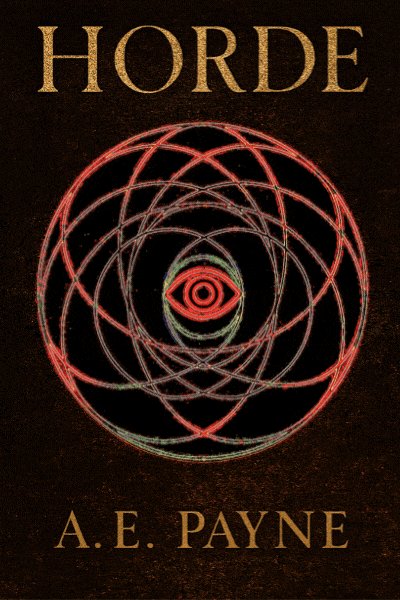
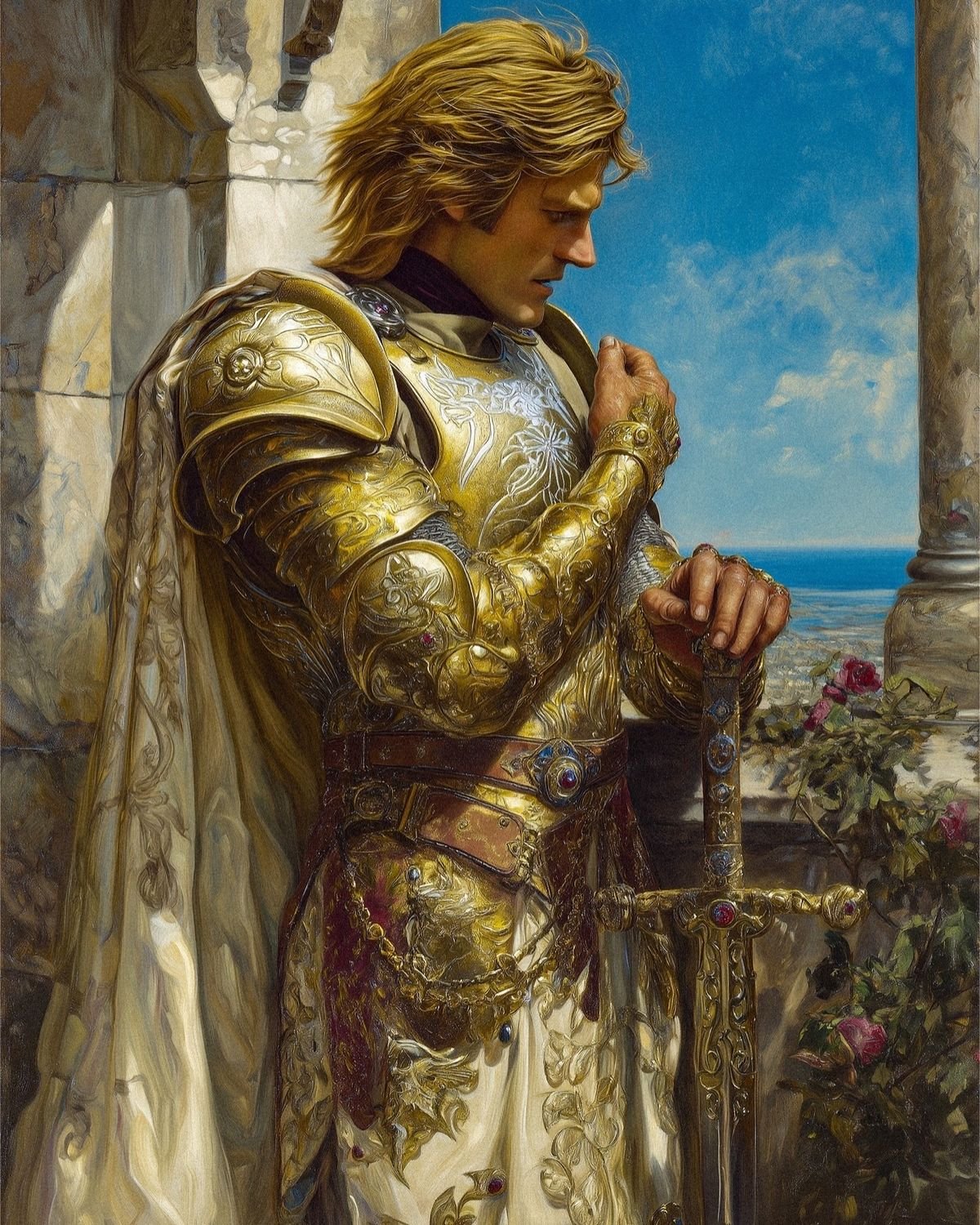
The prologue is a letter to the reader disguised as a warning. The narrator (the "half-wit human" whose romance made Hell break loose) speaks to you in the audience sense: "I entreat you to read this edited journal as intended: without thought or care, and with the knowledge that everyone lies." The device is older than the novel itself, but used with intent here because the story is a confession and a confession needs a confessor. The "you" is the reader on the other side of the fire. It is the metafictional version of second person, and a useful case study in when to deploy it: when the frame of the story is an address, the addressee has to exist, and making the reader fill that seat is the cheapest possible stagecraft.
Read HORDE: Annunciation on NovelDay
2. This Is How I Lived [A Post-Apocalyptic Diary]
The device: a diary that talks to the reader as if they are sitting across from her.
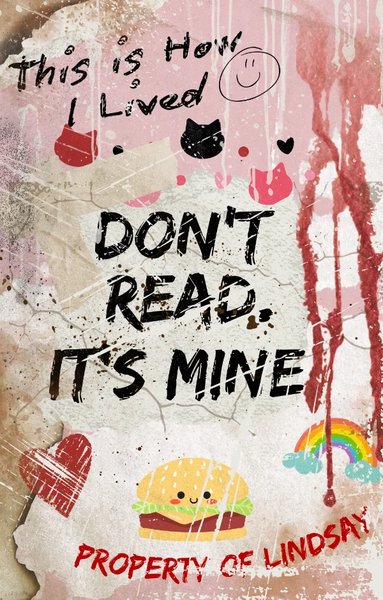
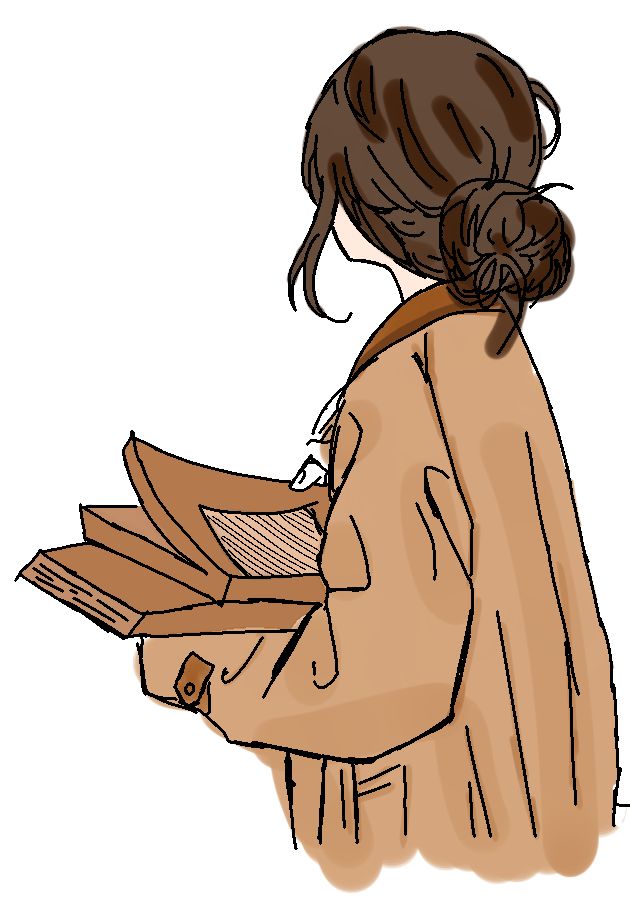
The format is dated survival entries, but the voice is the device. Lindsay does not record the apocalypse for posterity; she chats. She interrupts her own supply list to ask whether you have ever carried a backpack full of cans, because that stuff gets heavy and she needs to run. She dares you to sue her over her survival priorities and answers for you before you can. Nobody is ever named as the "you" in these entries, yet every aside presumes someone listening, which is exactly how diary second-person works when it is done well: the reader is not addressed as a role, they are treated as company. Even the cover runs the device, scrawled like a stolen diary: "DON'T READ, IT'S MINE." The story argues with its audience before page one, and the argument never really stops; sixty-seven entries in, the voice still talks like there is somebody on the other end of the paper.
Read This Is How I Lived [A Post-Apocalyptic Diary] on NovelDay
3. Princess Possession
The device: "you" as the second consciousness in the narrator's skull.
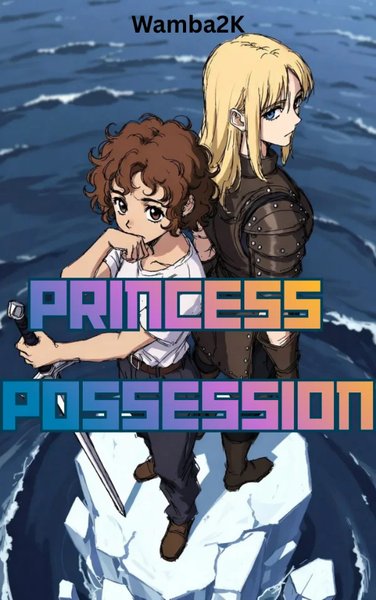
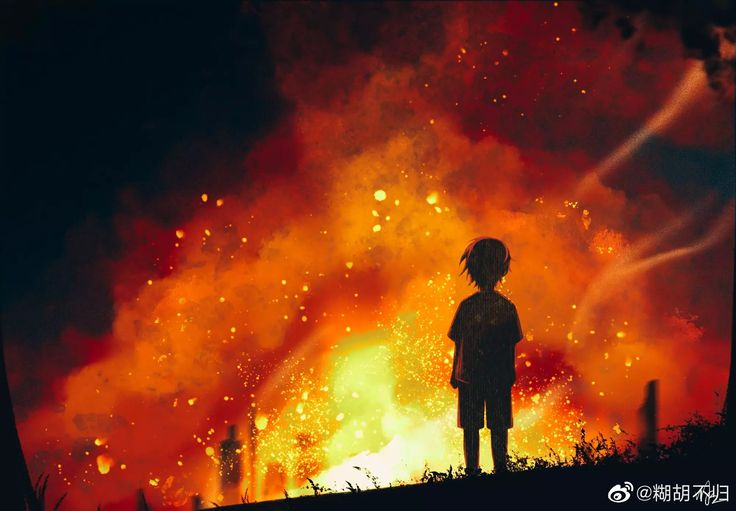
Chapter one plays the trick in present tense: a dying girl feels the warmth climb her body, falls through the dark, and wakes up in the body of Tatiana Malvey, the realm's last royal heir and a very different sort of person. Alyssa wants a quiet life. Tatiana has bigger plans, and now they have to share. From that first chapter on, the story is two minds negotiating one body, and the premise quietly literalizes what second person always secretly is: a "you" living inside the head that narrates. The narrator's "I" is permanently contaminated by an internal "you" who can argue back, grab the controls, and override decisions. Most stories treat second person as a voice; this one makes it a roommate.
Read Princess Possession on NovelDay
The Serial-Specific Problem With Second Person
Why is it still so rare, given all of the above? Because sustained second person is the hardest lens to keep alive at serial length, and the reason is the audience. First and third person describe a person; second person describes the person reading, and readers differ on whether they are willing to be assigned. The device asks for trust faster than most lenses, and a serial that stumbles early (a wrong gender assumption, a choice the reader would not have made, a reaction that does not land) does not get the benefit of the doubt that a finished book gets, because the reader can leave mid-sentence and never come back.
The second problem is fatigue, on both sides. Writing "you" for a hundred chapters is a constraint that tightens, because every observation has to pass through the reader's body. Reading it is stranger still: after enough chapters the "you" either becomes invisible (success) or starts to itch (failure), and there is very little middle distance. The serials that pull it off tend to be the ones where the "you" is doing a job beyond style, addressed to a specific second person on the page, or inside a system where the pronoun itself is load-bearing.
The Two Ways Second Person Actually Survives
Looking across the examples, both the canonical novels and the serials above, the device survives in two environments and fails almost everywhere else. Environment one is containment: a frame, a section, a character thread, a letter, a prologue. Something with walls. Calvino's "you" works because the whole book is built around the address; a random second-person chapter in a third-person book works because the container holds it. Environment two is functional necessity: the pronoun is load-bearing, as in possession stories, system voices, and frame narrators who exist to speak to someone specific. "You" survives when it is the only honest word. It fails when it is a style the writer chose because nothing about the story required it.
This is the practical rule for writers: if your second person can be translated to first or third without anything breaking, it is decoration, and decoration at a pronoun's price is a bad trade. If the translation breaks the story (the spirit cannot say "him" because she is speaking to him, the confessor cannot say "reader" because the journal needs a reader, the system cannot say "the player" because the notification is the interface), then "you" is doing work, and it will hold.
Where the Device Lives Beside Its Neighbors
POV is the first structural decision a serial writer makes, and second person is the third option on that list for a reason, and understanding why it exists at all changes how you think about the other two. The first-vs-third comparison covers the default pair; if you are choosing lenses for a new serial, start there. If the question is the opening rather than the pronoun, the first-chapter guide covers what the reader needs in the first screen regardless of who is narrating. And for the game-fiction variant where "you" is the system's grammar, the LitRPG explainer shows where the notification voice came from.
Questions Writers Ask About Second Person
What is second person point of view in a story? The mode where the narrator calls the protagonist "you." Instead of "I" (first person) or a name or "she" (third), the text assigns the reader the role: "you open the door." It is the rarest of the three major lenses and the only one that puts the audience inside the pronoun itself.
Can a whole novel be written in second person? Yes, and several famous ones are: Bright Lights, Big City is the standard example, and Calvino's If on a winter's night a traveler is built around it. It is hard to sustain at length, which is why it is more often used in sections, frames, or specific character threads than across an entire book.
Why is second person so rare in fiction? Because it makes the reader a participant, and participation is a promise. If the "you" on the page makes a choice the actual reader would not have made, the spell breaks. First and third person describe a person; second person describes the person holding the book, and readers will only be assigned a self they recognize.
Is second person used in LitRPG or web serials? Constantly, in the system voice. Level-up notifications, quest text, skill descriptions all address the reader-protagonist as "you." The narrator's chair is rarer, but the pronoun itself is native to the genre. Denpa Skies opens with a narrator speaking to the protagonist as "you" across a border between worlds, which is the narrated version of the same device.
What's the difference between second person and direct address? Second person makes "you" the protagonist. Direct address makes "you" the audience. "You enter the dungeon" is second person; "dear reader, you may be wondering" is direct address. HORDE: Annunciation uses the second kind on purpose, because the frame is a confessor speaking to whoever reads the journal.
What's an example of second person point of view? "You wake up in the room you don't remember renting, and the first thing you notice is the ceiling stain shaped like a dead bird." That sentence is second person because "you" is the protagonist — the one in the story, not the one holding the screen. The famous book-length examples are Bright Lights, Big City and the reader-addressed chapters of If on a winter's night a traveler.
Should I write my serial in second person? Probably not as the main lens unless the pronoun is doing structural work (a possession, a frame narrator, a system that addresses the reader). For everything else, the reader-recognition cost is high. But knowing the device exists changes how you read, and there is no cheaper way to study it than the three serials above.
The One-Sentence Version
Second person point of view is the lens where the reader gets the pronoun, and it is rare not because it is broken but because it is expensive: every line of it has to earn the reader's willingness to be addressed. When it works (Bright Lights, the Calvino frame, a possession novel, a LitRPG blue box), it does a thing no other lens can do. When it fails, it fails in the reader's body, which is the worst possible place for a story to break.
The three serials above are all free to read in the NovelDay library, and each is worth a chapter just to watch a different "you" working. If you are thinking of trying the lens yourself, novelday.net/write is free, keeps every single right with you, and there is honestly no faster way to find out whether your "you" lands than putting it in front of actual readers, because a second-person draft read aloud to no one is only half-tested.