Gothic Horror Novels: Haunted Worlds Worth Losing Sleep Over
Gothic horror is not about the monster in the dark. It is about the house the monster lives in: the decaying estate, the institution that has outlasted its purpose, the family secret that will not stay buried. The genre's signature move is atmosphere so thick it becomes a character, and web fiction has quietly become one of its best homes, because serialization gives dread room to accumulate week by week. These seven gothic horror novels are all free to read on NovelDay, ordered longest first, and they range from a war-horror empire to a library in Hell to a werewolf story that is really about grief. What unites them is not gore or shock but the slow certainty that something in the world is wrong and has been wrong for a very long time.
Seven Worlds Built to Be Haunted
1. The Spartan of Invicta
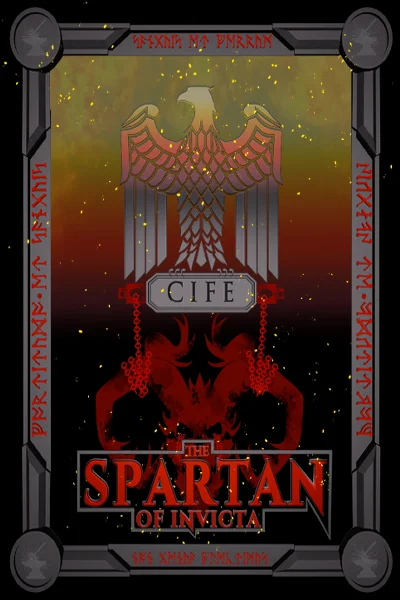
The Empire of Invicta runs on forged gods in warplate and living weapons bound by code and collar. At its center stands Spartan, a war-architecture in a woman's shape, and the story asks what an empire built on engineered people does to everyone inside it. Gothic horror at its most institutional: the haunted place here is an entire civilization, and the dread is bureaucratic as much as brutal. The longest read on this list by a wide margin.
The author has built out the same world elsewhere on the platform: Rise of a Champion follows a fifteen-year-old orphan through six years of savage training inside the Praevecti Academy, the machine's feeder school, and a shorter side-story called The Last Wall covers House Marcellus on the capital's floor. If the empire's dread works on you, there is a shelf of it.
Read The Spartan of Invicta on NovelDay
2. The Sky That Lied
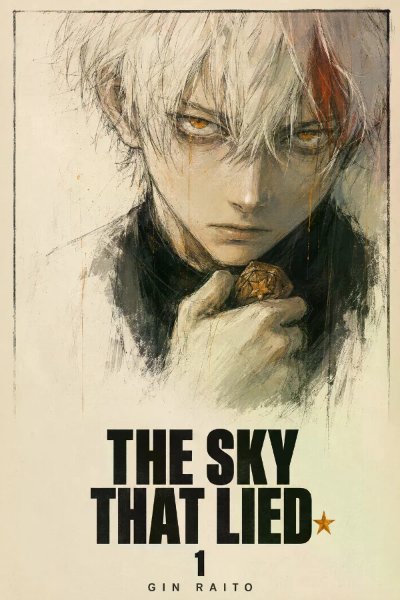
Stars are liars, not because they speak but because the people who record them bury their secrets in blood. A slum boy who carves stars to prove he exists, a soldier who refuses to let anyone be erased, and a forbidden pattern the powerful will kill to keep hidden. The gothic ingredients are all here: a corrupt institution, a buried history, and dread that accumulates in archives rather than battlefields.
Read The Sky That Lied on NovelDay
3. In the Shadow of Moonlight
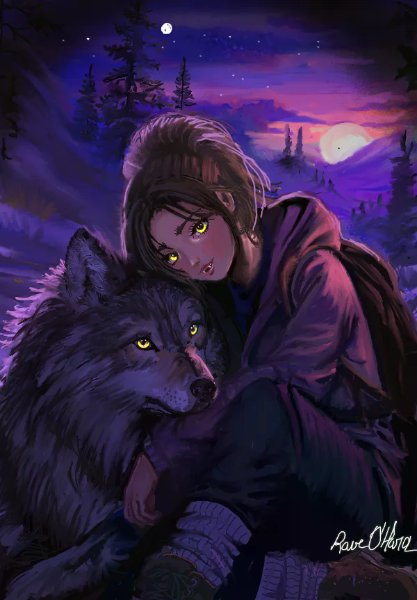
Sophia loses her mother, watches her father sink into alcoholism, and turns to wolves for refuge until a local legend actually works and she becomes one. Gothic horror's oldest promise is the doomed romance, and this delivers it: a girl whose new wild life keeps pulling her away from a human one that was already falling apart. The darkness here is domestic as much as supernatural, which is exactly what makes it gothic rather than just horror. Mature-rated throughout.
Read In the Shadow of Moonlight on NovelDay
4. HORDE: Annunciation
A historian with a grudge sells her soul to the Devil, expecting damnation. Instead she gets a job in Hell's library and discovers that the infernal realm runs on paperwork, hierarchy, and quiet dread rather than fire. It is the gothic estate reimagined as an infernal institution: vast, ancient, indifferent, and hiding its cruelties in procedure. Darkly funny in places, which only makes the horror underneath it colder.
Read HORDE: Annunciation on NovelDay
5. Carrion Mind
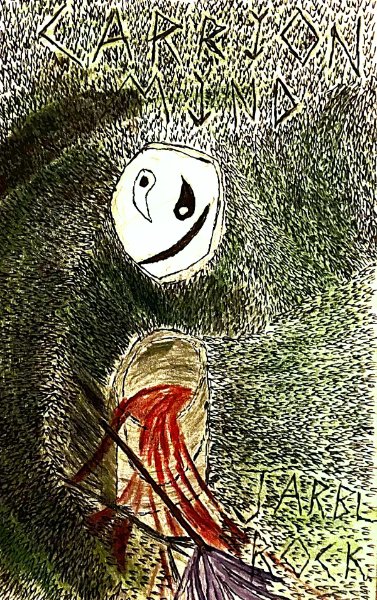
A dreamscape called the Mindscape, a world where thought itself can rot, and a story the author wrote as a standalone side piece that reads fully on its own. This is psychological gothic: the haunted house is interior, a mental architecture decaying around the people trapped in it. The only complete pick on this list, so it is also the one you can finish tonight.
6. What We See: An Eyes Story (Book One)
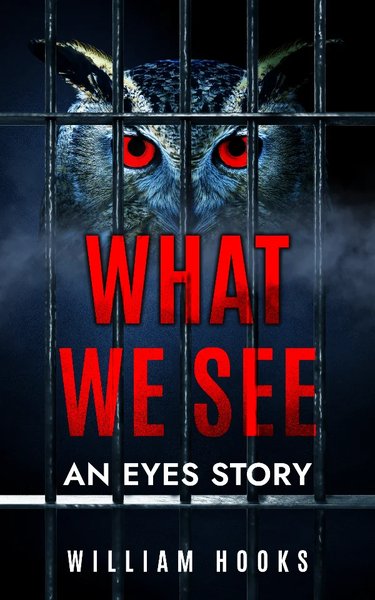
Dez has never felt at home in Eyeville, a small town that never quite felt honest either, and an impulsive plan lands him among a dozen death-row inmates collected by a corporation that will not say why it wants them. Gothic horror's small-town tradition played straight: the wrongness is in the place and in the institution both, and the reader assembles what The Company is doing long before Dez can see it.
Read What We See: An Eyes Story (Book One) on NovelDay
7. Post Mortem
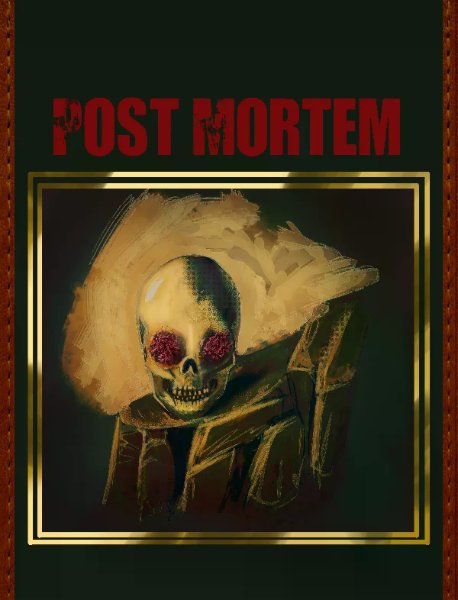
Dimi wakes up dead and discovers the afterlife is as unfair as life was: cannibals, forgotten gods, and creatures beyond anyone's grasp, while he tries and fails to imitate normalcy. The shortest read here and the most traditionally gothic in one specific way: it is a story about a person caught between the living world and a dead one, belonging fully to neither.
What Makes a Story Gothic
Getting confused with general horror happens to gothic fiction constantly, so a working definition helps. Horror is any story engineered to frighten. Gothic horror is a specific flavor built from a handful of recurring materials, and the tradition is older than most people realize: it runs from Walpole's castle in 1764 through Shelley, Stoker, and the Brontes, and it has outlasted every other horror fashion since. What carried it through three centuries is that its scares are structural rather than situational.
The first material is the haunted place: a house, an institution, an empire, a city that holds its history physically. The Overlook Hotel, Manderley, the House of Usher, all the way back to that first castle. In The Spartan of Invicta the haunted place is a civilization; in HORDE it is Hell's bureaucracy. Second is decay: the gothic world is always past its prime, running on structures that are rotting but not yet fallen, and characters inherit the rot whether they want it or not. Third is the buried secret, the thing the family or the empire or the Church did that refuses to stay hidden, which is the entire engine of The Sky That Lied.
The fourth ingredient is the one people forget: gothic horror is almost always intimate. The dread is personal, tied to grief, love, guilt, or desire. Sophia's werewolf transformation is really about a family collapsing. Aurora's deal with the Devil is really about a grudge she cannot put down. Even the massive world of Invicta keeps returning to what the system costs specific, named people. Monsters are optional in gothic fiction. The doomed feeling is not.
That is also why gothic horror survives translation into web fiction better than most genres. A haunted house in a novel is prose describing a building. A haunted institution in a serial is a place readers live inside for months, one chapter at a time, until its corridors feel like somewhere they have actually been. The format does what the genre asks.
Gothic vs Horror vs Dark Fantasy
These three overlap enough that the tags get used interchangeably, but they aim at different effects. Horror wants fear, full stop, and our broader horror list covers that whole range. Dark fantasy wants a brutal world and moral ambiguity; the grimdark explainer maps that tradition, where the darkness is usually about what people do to each other. Gothic horror is narrower and older: it wants dread soaked in atmosphere, history, and intimacy. A gothic story can have no explicit monster at all, because the place and the past do the haunting.
For readers, the practical difference is pace. Gothic horror rarely runs on set-pieces. It builds through accumulated detail, which is why the serial format suits it so well: each weekly chapter is another layer of wrongness, and the atmosphere the genre depends on has time to develop instead of being compressed into a single climax. The payoff, when it comes, lands harder because you spent weeks inside the house rather than a single night.
That distinction also changes how you judge a gothic story early. A conventional horror serial that is slow in chapter three is underperforming. A gothic serial that is slow in chapter three might be doing its job: establishing the routine that will later curdle, the relationship that will later sour, the room you will later learn to dread. HORDE's early chapters read almost like workplace comedy. What We See opens like a restless small-town story. Both are laying track. If you found the jump-scare end of horror shallow, gothic is the shelf to try, and our psychological horror picks sit right next to it.
Why Gothic Is Having a Moment Again
The genre tends to resurface whenever readers get tired of clean, fast, disposable fiction. Gothic horror is the opposite of disposable: it is slow, it is dense, and it treats the reader like someone willing to sit with discomfort for weeks. That is exactly the appetite that keeps showing up in web fiction communities right now. Readers burned out on power-fantasy dopamine loops go looking for something with texture, and the gothic delivers texture in bulk. The same cycle has played out before: every generation that rediscovers the haunted house thinks it found something new, when really it just found something old that still works.
There is also a practical reason the format is thriving here specifically. Traditional publishing has never fully known what to do with gothic serial horror: too atmospheric for the thriller shelf, too dark for mainstream fantasy, too slow for the horror market that rewards immediate scares. Web fiction has no such shelf problem. A serial about Hell's library or a war-empire's living weapon does not need to fit a bookstore category to find its readers. It just needs readers who want the mood, and those readers find each other.
Seven picks is necessarily a small shelf, and gothic on this platform is still a younger tradition than, say, LitRPG or progression fantasy. But the picks above show the range already present: institutional dread, buried history, doomed romance, interior decay, an afterlife with teeth. If your taste runs to the darker end of speculative fiction, it is a genuinely good time to be reading here.
Reading Gothic the Right Way
A few of these reward a particular approach. The two institutional gothics (The Spartan of Invicta, HORDE: Annunciation) are slow burns: their worlds explain themselves through procedure and routine, so give them five or six chapters before judging the pace. The intimate ones (In the Shadow of Moonlight, Carrion Mind) front-load character instead, and land faster. What We See reads like a restless small-town mystery that gradually admits the town was never the problem, which is most of its pleasure. And Post Mortem is the quickest audition on the list at two hours if you just want to test whether gothic atmosphere is your thing before committing to a twenty-hour empire.
Reading order matters less than mood-matching. Reach for The Spartan of Invicta when you want the gothic at full scale: an empire that is itself the haunted house. Pick The Sky That Lied when you want the buried-secret engine running at its purest. Choose HORDE when you want the dread leavened with wit, or In the Shadow of Moonlight when you want the doomed-romance thread pulled tight. Carrion Mind is the complete experience in one sitting, What We See is the small-town-conspiracy pick, and Post Mortem is the strange, scrappy afterlife pick for readers who like their gothic weird and their settings genuinely unpredictable.
If none of these are quite the flavor you want, the library lets you stack genre filters, and the horror, supernatural, and psychological shelves all feed into this territory. The weekly rankings also surface new dark reads constantly, since horror is one of the most active genres on the platform right now.
October is the obvious month to start a gothic serial, but the genre actually rewards the colder half of the year generally: these are long evenings books, the kind that benefit from being read in a dark room rather than on a beach. Start one now and the weekly chapters will carry you through winter. A free NovelDay account bookmarks your place and keeps progress synced across devices, so a serial you begin in October can follow you into January without losing a chapter.
For Writers Chasing the Dark
Gothic horror is unusually well-suited to first-time serial writers, because its engine is patience rather than plotting. You do not need a twist every chapter; you need a place readers can feel, a past they can sense pressing on the present, and characters whose dread is personal. The serial format even helps the atmosphere: a weekly chapter of quiet wrongness does more gothic work than a monthly chapter of spectacle. If you are building something in this space, publishing on NovelDay costs nothing, the work stays yours, and reader support through Patreon, Ko-fi, or PayPal pays out to you directly. Our guide on writing horror that scares people covers the mechanics of dread specifically if you want a craft companion to this list, and it uses several of the same serials as worked examples.
Gothic Horror: Common Questions
What is the difference between gothic horror and regular horror? Horror is the umbrella; gothic is a specific tradition inside it. Regular horror can be anything scary: slashers, creatures, survival terror. Gothic horror specifically runs on atmosphere, decay, buried secrets, and intimate dread, usually anchored to a haunted place or institution. A gothic story can unsettle you for twenty chapters without a single explicit monster appearing. All seven picks here lean gothic in different proportions.
Do I need to have read classic gothic novels to enjoy these? Not at all. The genre's ingredients work whether or not you have read Shelley or Stoker. What matters is taste: if you like slow-burning atmosphere and stories where the setting feels alive, gothic will land regardless of what is on your shelf already.
Are any of these complete? Carrion Mind is finished and is the only completed pick. The rest are ongoing serials with regular updates, which suits gothic pacing: the atmosphere keeps thickening week by week rather than rushing to a resolution.
Which of these is the scariest? Depends on what frightens you. The Spartan of Invicta is the bleakest, What We See is the most quietly paranoid, and Carrion Mind is the most psychologically unsettling. HORDE mixes its dread with dark humor, so it is the gentlest entry point.
Is gothic horror the same as dark romance? They share ingredients but not aims. Dark romance centers the relationship; gothic horror centers the dread. In the Shadow of Moonlight sits right on the boundary, which is part of why it works: the doomed-romance tradition is gothic to its core.