The Best Audiobook Apps in 2026, Compared Honestly: What You Get Paid vs. Free
Most "best audiobook apps" lists are the same six names rearranged: Audible, Libby, Spotify, Kobo, Audiobooks.com, maybe Scribd. They are fine lists, but they share a blind spot. They compare subscription catalogs against each other and stop there, when the more interesting question for most listeners is simpler: what do you actually get if you do not want to pay fifteen dollars a month?
This comparison covers the major paid apps honestly, the genuinely free routes (library apps included), and one newer option that belongs on the list specifically because it is free in a way none of the subscription services are. Prices and policies below reflect October 2026 and change often, so treat exact numbers as a snapshot rather than gospel, and check the current pricing page before committing to any subscription.
How We Compared Them
Four criteria that actually matter when picking an audiobook app:
- Cost model: subscription, per-book purchase, library lending, or genuinely free.
- What happens when you stop paying: whether books you "bought" or downloaded survive a cancelled subscription.
- Catalog type: published audiobooks from major publishers, indie titles, or a different medium entirely.
- Listening features: speed control, sleep timer, offline downloads, lock-screen controls. Nearly every app has these now; the differences are in the details.
One thing this list deliberately does not do is crown a single winner. The right app depends entirely on whether you want new-release bestsellers, free classics, or something outside the publishing industry altogether.
The Paid Mainstays
Audible
Cost: ~$15/month subscription + per-book purchases · Catalog: largest in the industry
The default for a reason: the deepest catalog of professionally narrated books, excellent apps, and features like sleep timers and speed control polished over a decade. The catches are well documented: credits expire, the Plus catalog rotates, and many books purchased with credits are tied to your Audible account rather than being files you own. Best for listeners who want new bestsellers and already accept the monthly cost.
Spotify (Audiobooks)
Cost: Premium subscription (~$12/month) includes ~15 hours of audiobook listening; extra hours cost more · Catalog: large, mainstream
The frictionless option if you already pay for Spotify Premium: audiobooks sit inside the same app you use for music. The catch is the hours model: fifteen hours a month covers one long book or one and a half average ones, and topping up hours costs roughly the price of another subscription. Heavy listeners hit the ceiling fast.
Audiobooks.com
Cost: ~$15/month subscription · Catalog: 300,000+ titles
Audible's most direct competitor, with a similar catalog size and a slightly different model: the monthly credit plus an included "VIP" selection of rotating free listens. Solid apps, fewer exclusive titles than Audible, and a rewards system that gives extra credits the longer you stay subscribed. Worth a trial month if Audible's interface has never clicked for you.
Kobo Audiobooks
Cost: ~$10/month subscription or per-book purchase · Catalog: large but thinner than Audible
The cheapest mainstream subscription, and the only major one that pairs naturally with an e-reader ecosystem: if you own a Kobo device, switching between reading and listening is seamless. The catalog gaps show up mostly in backlist and niche nonfiction. Best for Kobo hardware owners and price-sensitive subscribers.
The Genuinely Free Options
Libby / Hoopla (library apps)
Cost: free with a library card · Catalog: whatever your library licenses
The correct answer to "how do I listen to audiobooks free" for most people. Libby lends your library's audiobook collection digitally; Hoopla streams instantly without waitlists on a monthly borrow cap. The trade-offs are real: popular titles have weeks-long holds on Libby, Hoopla's catalog leans backlist, and everything depends on what your local library pays for. But for zero dollars, nothing else gives you mainstream narrated titles.
LibriVox
Cost: completely free · Catalog: public-domain books, volunteer narration
The original free audiobook project: volunteers record books whose copyright has expired. Everything from Dickens to Austen, no account needed. The honest caveat is narration quality: these are volunteer recordings, and quality ranges from excellent to genuinely hard to listen to. A treasure for classics, a dead end for anything written in the last hundred years.
NovelDay
Cost: free with a free account · Catalog: serialized web fiction, narrated
The entry nobody else lists, because it is not an audiobook app at all: it is a web-novel platform where chapters come with narrated audio built in. Listening is free for registered readers with no subscription, no credits, and no per-chapter paywall; guests get a ~45-second preview on any narrated chapter without signing up.
What it has that subscription apps lack: synchronized karaoke-style highlighting that follows the narration paragraph by paragraph, so reading and listening are the same object rather than two separate purchases. Playback speed from 0.5x to 3x, a sleep timer, auto-play across chapters, lock-screen controls with cover art: the full audiobook-app feature set, running in the browser on any device.
The honest limitation: this is not a catalog of published audiobooks. It is original serialized fiction: fantasy, mystery, psychological, adventure: narrated chapter by chapter, with coverage rolling out across the library. If you want the new Colleen Hoover, this is the wrong app. If you want hours of free narrated fiction without a subscription, it is the only entry on this list where free means free. The audiobook FAQ has the full feature rundown.
Three Free-Listenable Serials to Start With
If you try the NovelDay option, start with its longest narrated serials: these are the binge-listens where audio pays off most, and each already carries the headphones badge.
1. The Shattering Point
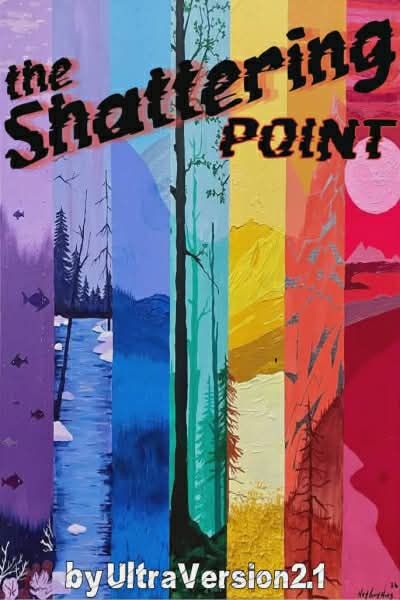
Earth and an impossible realm collide, and survivors fight to make the two worlds whole again: or tear them apart for good. Epic-scale fiction is what audiobook format was invented for.
Listen to The Shattering Point on NovelDay
2. Rise of a Champion
A fifteen-year-old orphan survives six years of brutal academy training in a system designed to break her: an underdog ascent built for binge listening.
Listen to Rise of a Champion on NovelDay
3. I Swear I Saw You Die [Vol 2 Complete]
![I Swear I Saw You Die [Vol 2 Complete]](https://novelday.net/api/novels/14777/image/1789223828)
Tim lost his immortality but kept the regeneration that made him unkillable: until a would-be assassin upends the life he built for his daughter. The platform's top-ranked serial, and every one of its 85 chapters is narrated end to end.
Listen to I Swear I Saw You Die on NovelDay
The Questions Worth Asking Before You Pick
Strip away the marketing and choosing an audiobook app comes down to five questions most comparison posts never ask:
How many hours do you actually listen per month? If the honest answer is "it varies a lot," a subscription is working against you: unused credits are the audiobook industry's favorite revenue source. Variable listeners belong on per-book purchases or the free tiers.
Do you care about keeping books? Audible credits feel like ownership until you cancel and discover the Plus catalog vanishes with your subscription. If keeping a permanent library matters, per-book purchases or library borrowing are the honest routes.
Are you a finisher or a grazer? Some listeners finish one book carefully; others dip across five titles in a week. Subscription credits reward finishers. Free, unlimited models, like the library apps and NovelDay's serials, reward grazers, since nothing meters you per hour or per credit.
Do you read and listen? If you switch between text and audio on the same story, the industry makes you pay twice, ebook plus audiobook, unless the platform treats them as one object. That single feature (synchronized text-audio) is the rarest thing on this list.
Whose catalog are you actually inside? An Audible subscription is a bet that Audible has what you want forever. A library card is a bet on your library's budget. A web-fiction platform is a bet on ongoing serials rather than finished bestsellers. Pick the bet that matches your actual listening, not the catalog size on the marketing page.
What "Free" Actually Means in 2026
Audiobook pricing has quietly splintered into five models, and "free" means a different thing in each:
Library-free (Libby, Hoopla): free because your library already paid. Real audiobooks, real narrators, real waitlists, sometimes weeks for popular titles.
Public-domain-free (LibriVox): free because the copyright expired. Great for classics, nothing newer, uneven narration.
Trial-free (Audible's free month, Kobo's trial): free for thirty days, then the subscription starts. Useful if you remember to cancel; profitable for them when you do not.
Ad- or cap-supported free: Spotify's hours cap is the clearest example: free-tier-adjacent listening that stops mid-book unless you top up.
Platform-free (NovelDay): free because the platform narrates its own serialized catalog rather than licensing published audiobooks. No waitlist, no cap, no trial countdown; the trade is that the catalog is original web fiction instead of the bestseller list.
None of these is a trick; they are just different economies. Knowing which economy you are inside is the difference between "free" that stays free and "free" that is a funnel.
The Verdict, By Listener Type
- You want new bestsellers and budget is no issue: Audible. Nothing else matches the catalog.
- You already pay for Spotify: use your included hours first, then decide if top-ups are worth it.
- You want free and mainstream: Libby or Hoopla with a library card. Accept the waitlists as the price of free.
- You want free classics: LibriVox, with patience for uneven narration.
- You want free serialized fiction with real narration: NovelDay: the only option here that is free without a library card, a waitlist, or a credit system.
The pattern worth noticing: every "free" tier in the audiobook world has a gate. Libby gates on your library's licenses and waitlists, LibriVox gates on public domain, Spotify gates on monthly hours. A platform that narrates its own fiction sidesteps all of that: the cost is that the catalog is web fiction, not bestsellers. Whether that trade is worth it depends entirely on what you actually want to listen to.
What the Paid Apps Actually Cost Per Year
Listicles love monthly prices because they sound small. Annualized, the real spend looks different:
- Audible Premium Plus: roughly $180/year, twelve credits. Enough for twelve books, assuming none of your credits expire.
- Spotify Premium + audiobook top-ups: roughly $140/year for Premium alone, plus top-ups once you pass the fifteen-hour monthly cap, so a heavy listener pays effectively double.
- Audiobooks.com: roughly $180/year, twelve credits plus rotating VIP titles.
- Kobo: roughly $120/year, the cheapest recurring plan of the four.
- Libby/Hoopla: $0, paid for by your library instead of you. The cost is time: hold queues on popular new releases.
- NovelDay: $0, the cost is scope: serialized web fiction instead of publisher audiobooks.
The math matters because audiobook subscriptions are the category where "trying" quietly becomes "paying." Two forgotten months of Audible is the price of several hardcovers. If your listening is sporadic, per-book purchases or the free tiers are almost always the better deal than any subscription.
Where Each Option Wins and Loses
Catalog depth: Audible wins outright — exclusives, big-name narration, day-one new releases. Kobo and Audiobooks.com are close enough behind that the difference rarely matters for mainstream tastes. Spotify's catalog is large but the hours model, not the selection, is the constraint.
Value for money: Libby by a mile — it is the only option giving you commercially published audiobooks at zero cost, and the waitlists are the entire complaint. LibriVox is free but trades polish for it. NovelDay sits in a strange, useful middle: the narration quality is closer to a produced audiobook than a volunteer recording, the fiction is original rather than public domain, and there is no queue.
App polish: Audible and Spotify win on ecosystems — widgets, car integration, syncing across devices. The browser-based options (Libby partially, NovelDay fully) trade a native app for zero installs, which matters more on shared or locked-down devices than reviewers tend to admit.
Format flexibility: This is where NovelDay diverges completely from the whole category. Every other entry on this list treats audio as the product and text as a separate purchase. NovelDay treats them as two modes of the same chapter — the synchronized highlighting means you can read a paragraph, glance away while narration continues, and re-anchor instantly. For readers who switch between eyes and ears mid-commute, no mainstream app does this without buying the ebook and audiobook separately.
And if you write serialized fiction yourself: chapters published on NovelDay get narration reach on top of the text version at no cost to you, which is a genuinely unusual feature on the writer side: most platforms that offer audio either gate it behind exclusive contracts (see what WebNovel's contract takes) or leave audio production to the author entirely. For the earnings side of that decision, our author income breakdown is worth a read. The larger point for writers is that audio used to be the final gate of traditional publishing: a budget item only successful books could justify. Having narration built into the publishing pipeline itself, refreshed automatically whenever a chapter's text updates, collapses that barrier for serial fiction in a way the subscription apps never will, because their model needs finished books, not living ones.
One practical note for existing audiobook subscribers: none of the free options here require you to cancel anything. Libby sits alongside Audible happily, and NovelDay sits alongside both as the listen-anywhere layer for serialized fiction specifically. The best setup for most heavy listeners is not one app but two — a mainstream source for the books the industry publishes, plus a free source for the stories it does not.
Audiobook App Questions, Answered
What is the best free audiobook app? For mainstream published audiobooks, Libby or Hoopla with a library card: genuinely free, professionally narrated, limited by waitlists and your library's catalog. For fiction you can start hearing right now with no card, no waitlist, and no subscription, NovelDay's narrated web novels are free with a registered account.
Is Audible worth it in 2026? If you listen to one or more mainstream audiobooks a month, yes: the catalog is unmatched. If you listen less, the library apps or per-book purchases beat the subscription.
Can I listen to audiobooks without a subscription? Yes: Libby and Hoopla via a library card, LibriVox for public-domain classics, and NovelDay for narrated web serials. Audible and Kobo also sell individual books without subscribing, at full price.
Which audiobook app has the biggest catalog? Audible, by a wide margin among paid apps. Among free options, Libby's effective catalog depends on your library, and NovelDay's narrated catalog is smaller but growing chapter by chapter.
Do audiobook apps work on lock screens? All the major ones do, including browser-based options: NovelDay's playback runs from the phone lock screen with cover art, no install required.
Are there free audiobooks that are not public domain? Yes: this is the gap most lists skip. Libraries lend modern titles free (with waits), some services rotate free selections, and platforms like NovelDay narrate original fiction free for registered readers.