Post-Apocalyptic Books Where the Aftermath Is the Story
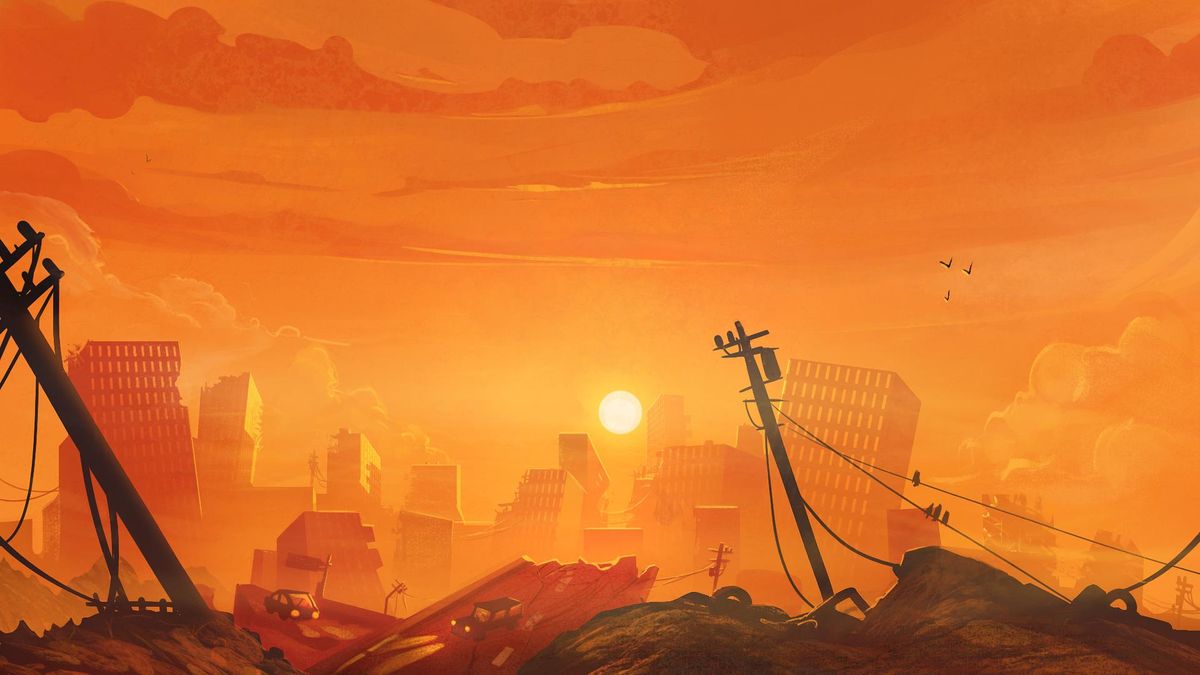
Post-apocalyptic fiction has a dirty secret: most of it is not really about the apocalypse. The collapse is the excuse; the genre's actual subject is what people do once the scaffolding is gone, when the grid, the government, and the grocery store all stop answering at once. The best entries in the genre treat "the world ended" as the first sentence of the premise, not the premise itself.
That is also what the genre does better than almost any other: it takes ordinary competence and makes it expensive. Filling a water bottle, walking home after dark, trusting a stranger with your fire — in a functioning world these are chores, and in a broken one they are plot. The post-apocalyptic shelf is where mundane survival gets promoted to drama, which is why the genre survives every trend cycle and why its best stories are usually quieter than their covers promise.
That distinction is also what separates this list from the dystopian shelf. Dystopia is about a system that works too well and cruelly. Post-apocalyptic fiction is about a system that stopped working at all. These five serials are all free on NovelDay, and each one ends the world a different way: a collision between realities, a civilisation already dust, a neighborhood stolen into a fog, Hell arriving on schedule, and a diary kept a week after it all came down. Ordered by reading time, longest first.
Why the Genre Works So Well as a Serial
Print post-apocalyptic novels compress the recovery: the reader watches a decade of rebuilding in three hundred pages, and the genre's best trick, the slow negotiation of a new normal, gets summarized. Serial fiction removes that compression. A serial can spend a chapter on the logistics of clean water, another on what a patrol checkpoint does to a town's habits, a third on someone learning a skill the old world made unnecessary. The aftermath breathes at the pace the reader experiences it, one week at a time, which is closer to how a real collapse would feel than any novel can get.
There is also a structural fit that is less obvious: post-apocalyptic fiction runs on question-engine storytelling. What is over that hill, who built that wall, why does nobody go east. Each answer opens a new question, which is exactly the loop a weekly chapter cycle is built to feed. The genre and the format keep choosing each other, and the five picks below show five different answers to the same opening move.
One honest caveat before the picks: post-apocalyptic is a thinner shelf on NovelDay than fantasy or LitRPG, because the catalog skews toward the genres serial readers subscribe to most. These five are the ones that genuinely fit the shelf rather than stretching it, which is why the list stops at five instead of padding to a rounder number. A short honest list beats a long padded one.
The Canonical Shapes the Genre Takes
Post-apocalyptic fiction recycles a small set of world-endings, and knowing which engine a story is running makes picking a read much easier. There is the plague-or-monster collapse (the populated world gets eaten), the slow ruin (the world ended long enough ago that the wound is just the terrain now), the displacement (your part of the world is taken elsewhere), the reality-break (physics or narrative itself gives out), and the mythic invasion (Hell, gods, or the old stories come back). Most lists flatten these into "post-apocalyptic books" and let you guess; the five picks below map one serial to each engine, so whichever version you are actually hungry for has a clear address.
Five Apocalypses, Each Ending the World a Different Way
A quick word on how these were chosen before the list: every pick below is a user-authored NovelDay serial with more than three hours of published reading, verified against its actual opening chapters rather than its blurb. The blurbs under each card describe what the prose itself does, not what the cover copy promises, because the genre is full of worlds that claim to have ended and then behave suspiciously intact.
Post-apocalyptic is a big tent, and these five sit in different corners of it on purpose. What they share is the genre's real engine: not the event, but the answer to "and then what did people do." Ordered by reading time, longest first.
1. The Shattering Point
The apocalypse: so large the calendar restarted.
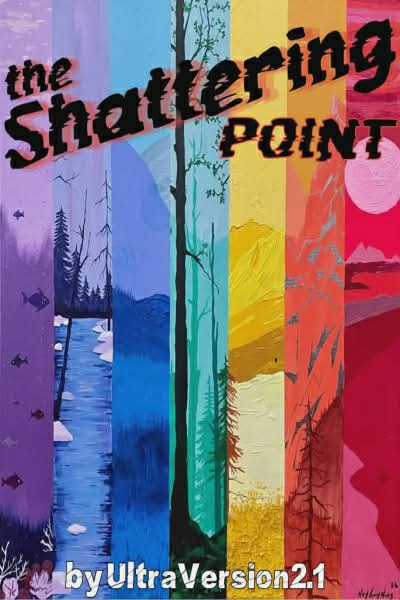
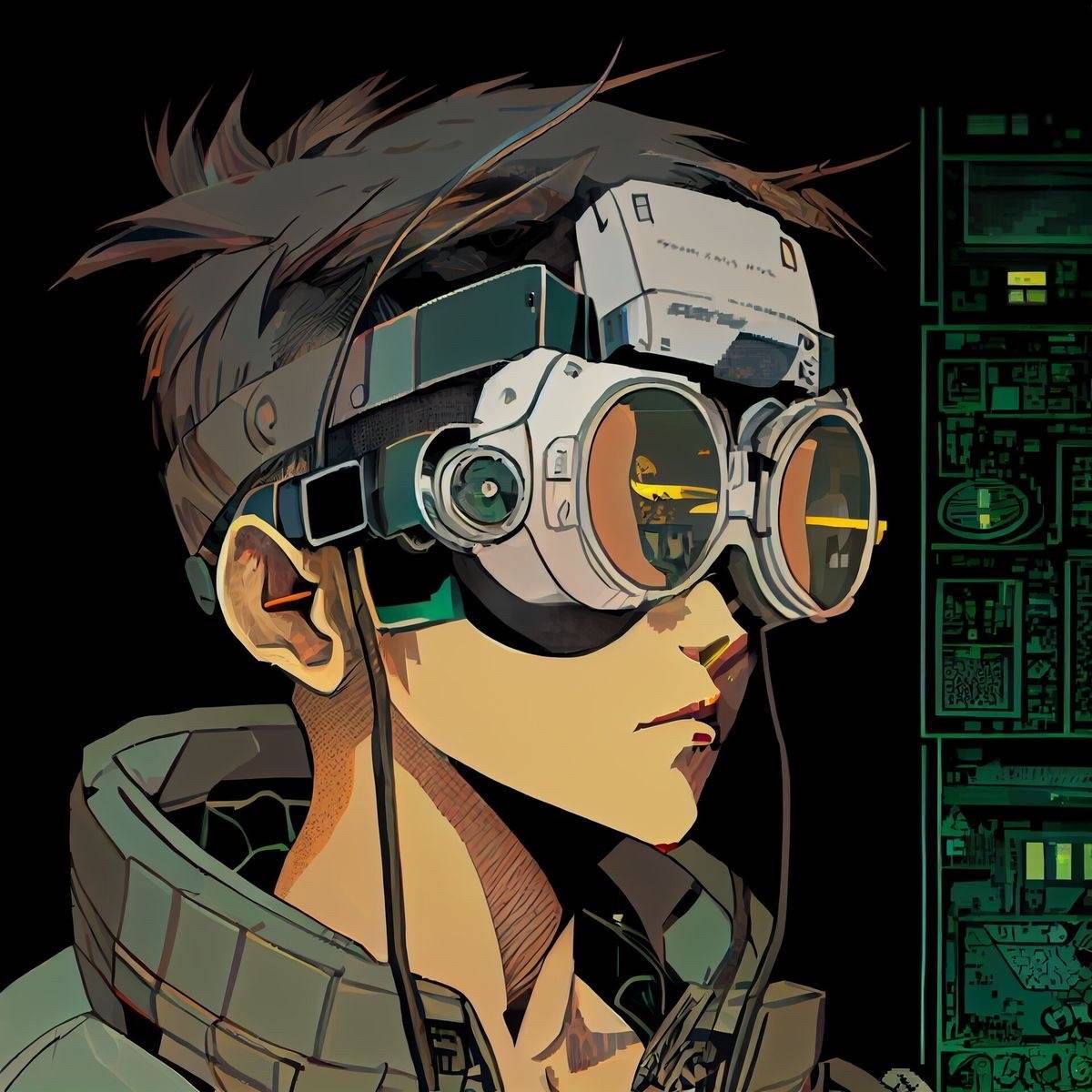
The chapter headings are dated "E1997AD+02\11," which tells you everything before a character speaks: whatever happened was big enough that the world started counting years again from zero, and this story opens two-plus years into the new era. On the page, that looks like Sage Wisdom moving through familiar Pennsylvania woods at night under a slivered Hunter's Moon, cataloging why yesterday's rain made the ground quieter, because silence is the skill that matters now; there is a military patrol to skirt around Ames, and her whole body is a long practiced habit of not being seen. Whatever slammed into this Earth's timeline happened before the first chapter and the characters are still assembling what it did to them, but the writing already knows the genre's rule: the event is backdrop, and the changed texture of an ordinary Tuesday is the story. Twenty-seven hours, multi-POV, and still running.
Read The Shattering Point on NovelDay
2. Denpa Skies
The apocalypse: your street gets taken.
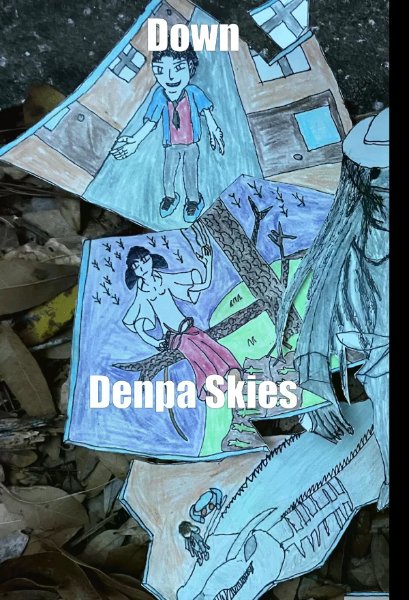
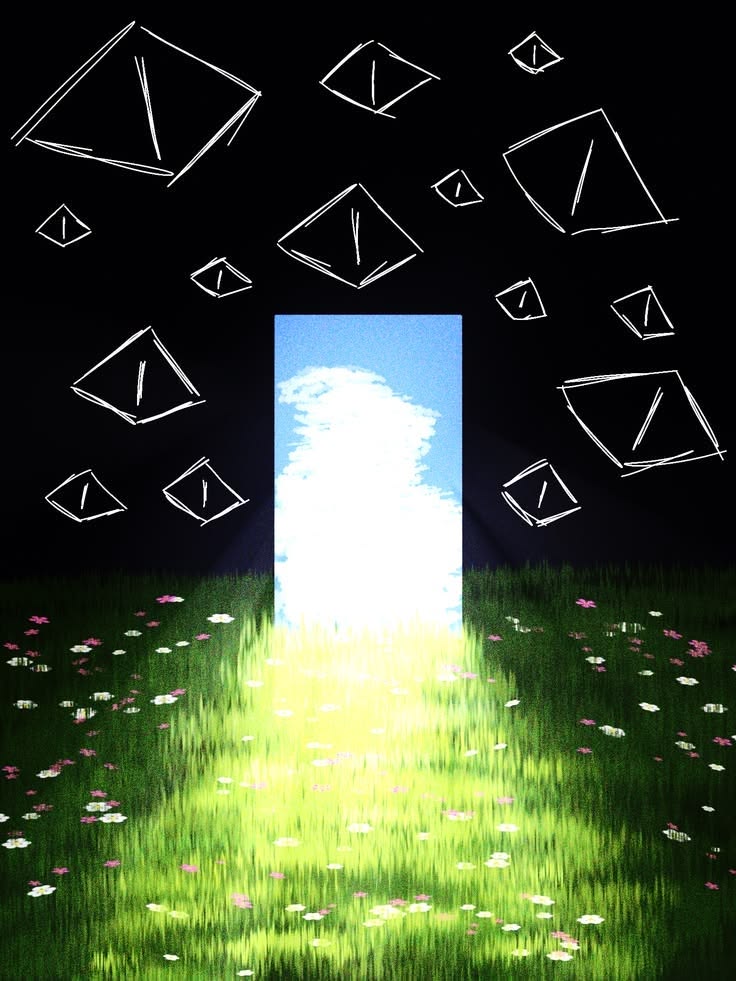
The first arc's premise is the strangest kind of post-apocalypse: not the world ending, but a single neighborhood displaced into a fog where the laws stop working, and a crew of "pioneers" has to brave anomaly-temples to reconnect it. Underneath the surrealism it runs on LitRPG bones, with stat windows and registered levels giving the disaster a bureaucratic sheen that reads like the apocalypse got a government-issued interface. If your taste runs toward Roadside Picnic's wrong-zone dread crossed with game-logic audacity, this is the rare serial doing both at once, and at eighteen hours it is the second-longest stay on this list. By chapter four the pioneers are fighting a tunnel troll with damage-over-time ticks and a teammate literally rooted to his holographic keyboard, and the strangeness has already normalized into tactics.
3. The Weight of Falling Objects
The apocalypse: already ancient history.
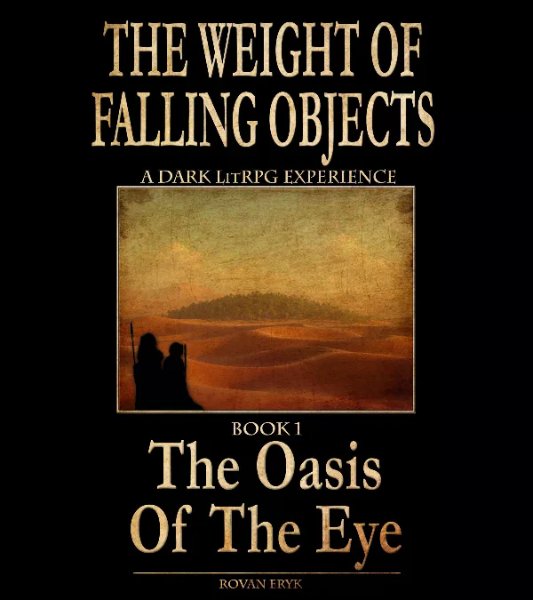
Deep in the desert east of the dead cities lies a city older than the ruins around it, and that is the whole flavor: post-apocalypse not as a fresh wound but as geography. The narrator of the opening chapter has no sight, perceiving a stranger's approach through senses withdrawn from the world, which is a fitting way to meet a setting where the catastrophe is long past and what remains is the shape it left behind. For readers whose favorite post-apocalyptic mode is the archaeological one, the world as a museum of its own end, this is the list's strongest entry, and it is finished. The apocalypse-as-deep-time flavor is the rarest in web fiction, where most collapses are still smoking; here the smoke cleared centuries ago and what is left is people living inside consequences they never chose and mostly cannot name.
Read The Weight of Falling Objects Book 1: The Oasis of the eye on NovelDay
4. HORDE: Annunciation
The apocalypse: Hell, literally, and it was personal.
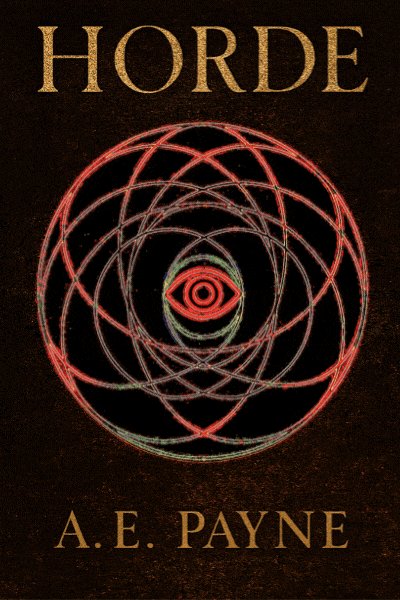
The narrator opens by warning you that this is a journal from someone who walked into a romance that made Hell break loose, apologizing in advance and insisting "everyone lies." It is the genre's confessional flavor: the end of the world narrated by the half-wit who helped cause it, in retrospect, with the self-awareness of someone who survived and wishes she had not. The satire tag is real; the horror tag is also real. A post-apocalyptic story told by its own footnote, in a voice that keeps testing how much blame it is allowed to carry. The demonic version of the genre is also the least performed on this list; if the other four are documentaries, this one is the gothic comedy playing in the theater across the rubble.
Read HORDE: Annunciation on NovelDay
5. This Is How I Lived
The apocalypse: one week ago, dated and timestamped.
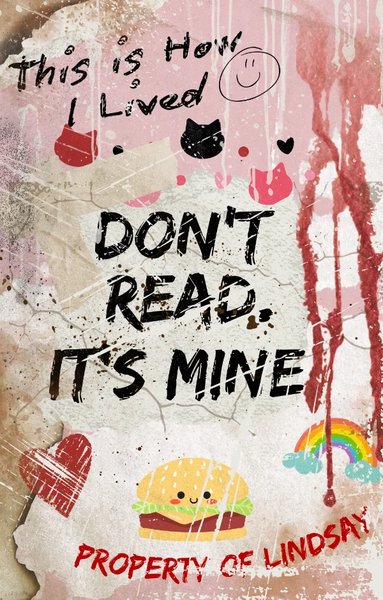
"March 10th 2022, 4:22pm. It's been about a week now since the end of the world. I think. Hard to keep track of when everyone started eating each other." The purest post-apocalyptic premise on the list and the shortest read: a diary kept by a survivor who is already a week past the collapse, whose coping mechanism is deadpan and whose tenses keep slipping because the world is still ending. The complete version of the genre's oldest form, the survivor's record, told in real entries with real dates. If you only have an evening, this is the one that lands like a found document. It is also the most honest about the genre's quietest subject: not the monsters, but the boredom and bookkeeping of surviving them, the days where nothing happens and the entry still has to be written because writing it is the proof of being alive to write it.
Read This Is How I Lived [A Post-Apocalyptic Diary] on NovelDay
What Separates a Post-Apocalyptic Story From Just a Grim One
Worth being precise here, because the label gets stretched. A post-apocalyptic story requires three things: a world that used to work, a break that ended it, and characters living in the debris of the difference. The five above all clear that bar in different directions. Shattering Point's break is cosmic and recent enough to have reset the calendar. Denpa Skies' break is local and total, a patch of the world cut adrift into fog. Weight of Falling Objects' break is so old it is geology now, the dead cities just features of the map. HORDE's break is theological, the literal bad place arriving as both event and punchline. And This Is How I Lived's break is the textbook version, a week old, still warm.
What they share is the genre's defining move: the old world's rules are gone, and every character's day is spent negotiating the new ones. When a "post-apocalyptic" story secretly runs on an intact system (a functioning empire, a stable academy, a working guild hall), it is usually dystopian or military fiction wearing the costume. Nothing wrong with those, they are just a different shelf, which is why you will find them on the dystopian list instead.
How to Choose
Worth saying plainly: five picks for five engines means each entry is doing double duty, so the choice is less about ranking than about which flavor of ended world sounds right tonight. None of these is a consolation prize, and the spread is deliberate enough that picking wrong is genuinely hard.
By appetite: The Shattering Point is the maximalist epic, Denpa Skies the weirdest, The Weight of Falling Objects the most atmospheric, HORDE the most comic-gothic, This Is How I Lived the most classic. By time: an evening for the diary, a weekend for HORDE, the middle three for a week each, and the twenty-seven-hour Shattering Point if you want to move in. Two are finished works and three are still being written, which is itself a post-apocalyptic truth: the genre is at its best when the ending is genuinely unknown.
Two are finished works and three are still being written, which is itself a post-apocalyptic truth: the genre is at its best when the ending is genuinely unknown, and a serial in progress guarantees that.
Beyond the List
These five were picked to spread the genre's range, but the catalog is deeper than any five-book list. The NovelDay library is searchable by genre and mood, and the post-apocalyptic flavor shows up wearing other genre tags (horror for the monster version, LitRPG for the rules-changed version, sci-fi for the societal one). The dystopian picks cover the still-functioning cruelty, and the psychological horror list has the collapse happening inside one head at a time. If the real itch is "the world went wrong," the neighbors to this shelf are worth the detour, and the genre tag pages will surface the rest.
Frequently Asked Questions
What is the difference between post-apocalyptic and dystopian fiction? Dystopia is a system working as intended, badly, on purpose; post-apocalyptic is a system that stopped working at all. One genre is about oppression, the other about absence. The Shattering Point is post-apocalyptic; 1984 is dystopian, and the lists live next to each other on purpose.
Are these books free to read? Yes, all five are free on NovelDay with an account, no paywall on the chapters.
Are any of these complete, or all ongoing? The Weight of Falling Objects and This Is How I Lived are finished. The other three are updating serials, which is the normal rhythm of web fiction and arguably the genre's natural tense.
Do I need to have read the earlier volumes first? Each entry on this list is a first book or a standalone serial entry point. HORDE: Annunciation's prologue is itself the orientation; the diary needs nothing.
What order should I read them in? Match engine to mood: This Is How I Lived if you want the classic form at shortest length, The Weight of Falling Objects for the far-past version, HORDE for the gothic-comic one, Denpa Skies for the weird-zone one, The Shattering Point if you want the maximalist epic and a week to spare.
What if I want to write a post-apocalyptic serial? The genre rewards a strong first-week reader test: publish an opening chapter and watch whether the premise earns chapter two. NovelDay is free to publish on, and you keep every right to the work.
The Genre's Actual Question
Every post-apocalyptic story is really asking the same thing: after the rules are gone, what do people become? The five answers here range from "we keep a diary anyway" to "we learn the new physics" to "we confess on record." The genre's promise was never the explosion; it is the Tuesday after, and the Tuesday after that, and the people still standing on the far end of both. Pick the version of the end that sounds like your own worst Tuesday, and start right there tonight.
All five are free to read on NovelDay right now, and all five are still being read in real time, which suits the genre better than any finished-trilogy framing could. The end of the world is supposed to feel unresolved. And if you have an apocalypse of your own sitting in a draft, novelday.net/write is free, keeps every right with you, and gets real readers in front of chapter one.