How to Create a Magic System: Hard vs Soft, Costs, and 7 Systems Worth Studying
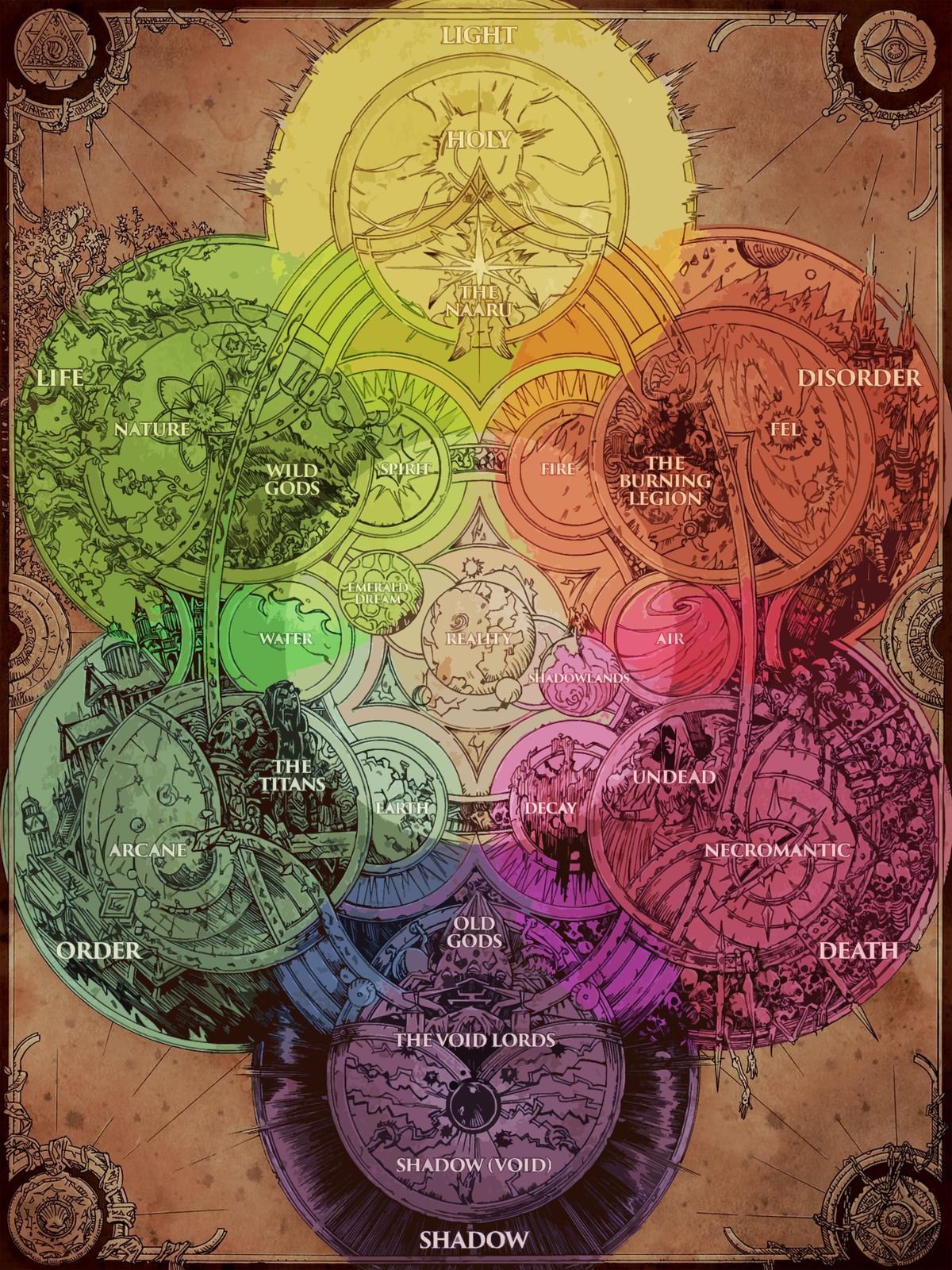
Ask a fantasy reader to name their favorite book and then ask what they remember about it. You will rarely hear "the plot." You will hear about Allomancy's metals, Nen categories, bending the four elements, the words of a Name. What readers carry out of a fantasy novel, more often than not, is its magic system.
That is why so many writers search for how to create a magic system and then freeze. The advice online is either vague ("make it consistent!") or overwhelming (a forty-row spreadsheet before you may write a scene). This guide takes the middle path: what a magic system actually is, the hard-vs-soft decision that shapes everything else, the five questions you must answer before drafting, the mistakes that kill systems, a fill-in template you can use today, and seven web novels whose magic is worth studying closely.
What a Magic System Actually Is
A magic system is not "my world has wizards." It is the set of answers to four questions: where does power come from, what can it do, what does it cost, and who gets to use it? If you can answer those four, you have a system. If you cannot, you have magic as decoration, which is fine for some stories and fatal for others.
Brandon Sanderson, whose Mistborn novels made systematic magic famous, popularized the vocabulary for this in his essays on the subject (often called Sanderson's Laws). His first and most quoted principle: an author's ability to solve conflict with magic is directly proportional to how well the reader understands said magic. That single idea generates the whole hard-vs-soft spectrum.
Hard Magic vs Soft Magic
Soft magic is magic the reader does not fully understand. Gandalf does things; we never learn his mana pool or spell list. The point of soft magic is wonder and dread: it should feel larger than the characters. The risk is that if soft magic solves the plot's biggest problem, readers feel cheated, because they could not have seen the solution coming.
Hard magic is magic with visible rules: defined abilities, costs, and limits the reader can learn and predict. Allomancy, Nen, alchemy's equivalent exchange. Hard magic turns magic into a puzzle the reader solves alongside the protagonist, which is enormously satisfying when done well. The risk is sterility: a system so mechanical it reads like a game manual.
Most successful systems sit between the poles. Avatar's bending is hard in its mechanics but soft in its mythology. Choose hard if your protagonist will solve problems with magic. Choose soft if magic exists to create atmosphere and stakes. Choose hard-leaning-hybrid, which is where most web novels live, if you want both.
The Five Questions That Build a System
You do not need a spreadsheet. You need honest answers to five questions, in this order:
- Where does the power come from? Blood, gods, contracts, metals, memories, spirits, the stars. The source quietly defines your world's cosmology whether you intend it to or not.
- What does it cost? This is the single most important design choice. Free magic is boring magic. Costs can be resources (mana, materials), physical (exhaustion, lifespan), or personal (memories, relationships, sanity). The more interesting the cost, the more interesting every use becomes.
- What can it not do? Limits create story. "Cannot raise the dead," "only works on things you can see," "fails under a full moon." Readers remember limits longer than powers.
- Who gets access? Everyone, a bloodline, the chosen, the trained, the suffering. Access decides whether your world has magic aristocracies, magic schools, magic underclasses, or all three.
- How does society react? A world where magic exists will regulate, worship, fear, tax, or hunt it. If society behaves as though magic does not exist, readers notice the hole.
Notice what is not on the list: the magic's name, its color scheme, or its taxonomy chart. Those are surface details. Surface is fun and comes last, after the rules that generate your actual story.
Five Mistakes That Kill Magic Systems
- Power with no price. If magic costs nothing, there is no reason a character does not use it constantly, and no tension when they do. Free power makes every victory feel automatic.
- The fix-everything power. If magic can fix every problem, it fixes none of them dramatically. Every capability should create at least one new problem.
- Rules that bend when the plot needs them. One unearned exception teaches readers that rules do not matter, and then your clever solution lands as cheating instead of cleverness.
- The kitchen sink. Twelve magic types, nine factions, four power currencies, three forbidden techniques. Depth beats breadth; readers fall in love with one well-developed mechanic, not twelve shallow ones.
- Explaining everything. A fully explained system loses wonder; a fully unexplained one loses trust. Explain the rules the plot depends on and let the edges stay mysterious. Mystery at the margins is a feature, not an unfinished design.
7 Magic Systems Worth Studying
Theory is easier to absorb through real examples. Each of these web novels, all free on NovelDay (our platform), demonstrates a different design lesson worth stealing. Ordered longest to shortest.
1. Stillore: Shard and Canvas
Lance Klint is a delivery guy searching for a missing sister when a failed delivery drags him into a world built by horrors, a forgotten pantheon, and powers called Shards. Abilities in this world can be held, hidden, and stolen, which makes every power both a tool and a liability.
The design lesson: let your system generate conflict by itself. An ability-steal mechanic means power is never safe, so characters protect, hide, and bargain over abilities instead of simply using them. When the magic creates the politics, the world feels engineered rather than decorated. At 122 chapters this is also the longest example on the list, so you can watch the system compound over a real serial run.
Start reading Stillore: Shard and Canvas →
2. I Swear I Saw You Die [Vol 2 Complete]
![I Swear I Saw You Die [Vol 2 Complete]](https://novelday.net/api/novels/14777/image/1789223828)
Tim was supposed to be Immortal. Then he was not. His Gift of healing and regeneration still makes him nearly unkillable, but now every undying day is a negotiation between wasting a life he cannot lose and being a decent father to his daughter.
The design lesson: a system can change, and the change can be the story. Most writers treat their magic rules as fixed furniture. Here, the defining event is a rule breaking, and the drama comes from living inside the gap between what the power was and what it is now. If your system never evolves, consider whether the loss or corruption of a Gift is a better engine than another upgrade.
Start reading I Swear I Saw You Die →
3. The Sky That Lied
Shiro Aratani is a slum boy who carves stars to prove he exists. When his life collides with a gilded, breaking boy and a soldier who refuses to let either of them be erased, a forbidden pattern forms, in a world where recorded starlight hides secrets written in blood.
The design lesson: magic can be a craft, not a gift. Star-carving is a learnable, dangerous art rather than a birthright bolt-on, and that changes the feel of every scene it touches. Craft-based systems reward patience and mastery in the character the way apprenticeship rewards a reader's attention. If your magic feels too much like a video game unlock, study how a skill-shaped system slows the power down.
Start reading The Sky That Lied →
4. Azela Incarnate
Catherine, exiled from her priestess's home on the day of her ordination, steals what may be the most profane and cursed item in the universe and runs. Her path crosses Azela, a woman pulled into a world she does not understand, and the two chase the truth behind the artifact through an odyssey of wonders and horrors.
The design lesson: objects can carry the system. Instead of power living inside characters, it lives inside one cursed item, and everything, plot, danger, morality, orbits that object. Anchoring magic to artifacts gives you instant rules (possession, cost, theft, inheritance) without a single lecture. It is also a clean way to blend magic with science fiction, which this book does throughout.
Start reading Azela Incarnate →
5. A Measure of Magic
In the hostile kingdom of Bryolan, nothing has been going right: murders, beast attacks, a curse in the dark. Elliana is the kingdom's most powerful mage and a newly named baroness. Her friend Paige is a commoner with almost no magic at all. They investigate together anyway.
The design lesson: who does not get magic matters as much as who does. Pairing the strongest mage in the kingdom with a friend of almost no power turns access into characterization. Unequal access gives you class tension, dependency, resentment, and loyalty for free, all from one design choice. When you decide who gets magic, you are really deciding your world's social structure.
Start reading A Measure of Magic →
6. Witches of Mellgrah
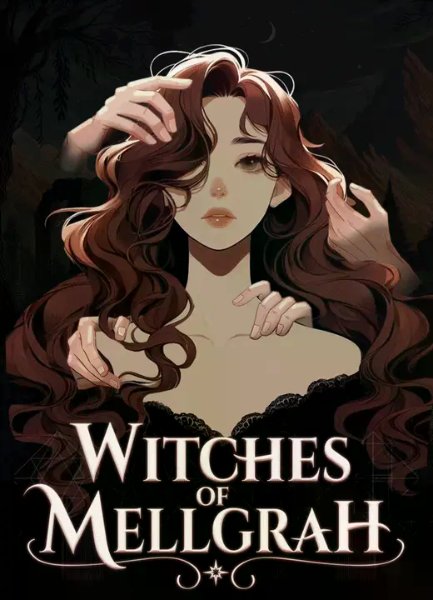
Mellgrah is a world of equal chances where magic finds those who have suffered. It can only be actualized in the land where witches fled persecution, you cannot find it without an invitation, and accepting the invitation means giving up on ever going home. Maya, sixteen and carrying a string of terrible losses, accepts.
The design lesson: soft magic still needs a cost. Mellgrah's magic is deliberately mysterious, which makes it soft-leaning, but its price is brutally clear: one-way passage, no return. This is the fix for the most common soft-magic failure. You do not have to explain the mechanics; you do have to make the price legible. Notice how the magic's selectivity, it comes to the suffering, does thematic work too.
Start reading Witches of Mellgrah →
7. ANANKE: The Solis Tale

Kara Solis is thirteen when her city burns, her father falls, and she inherits the most feared power in her family's bloodline. The power is not free. Every use takes a memory, and she never knows which one. She only knows something is missing.
The design lesson: make the cost hurt in a way money cannot. Memory-as-currency is the single cleanest example of a meaningful price in any novel on this list. It is measurable (each use has a receipt), personal (the loss is identity, not hit points), and dramatic (the character cannot even audit what she paid). If you take one idea from this whole article, take this: the best costs are things the character would hesitate to spend even with the world on fire.
Start reading ANANKE: The Solis Tale →
A Simple Template to Start With
If the five questions feel abstract, fill in these blanks and you will have a workable first-draft system:
Power in this world comes from ___. It lets people ___, but it can never ___. Using it costs ___. The people who have it are ___, and everyone else feels ___ about that.
Run your answers through the mistakes list. If the cost is not a real sacrifice, raise it. If the "never" line is empty, add one. Then stop designing and write a scene: systems reveal their flaws in use, not in outline. For the broader serial-writing process, our guide on how to write a web novel covers chapters, pacing, and publishing rhythm. If your magic involves cultivation, levels, or progression mechanics, the wuxia vs xianxia and progression fantasy guides go deeper on those subgenres.
Ready to Build Yours in Public?
Magic systems are the reason a large share of web fiction readers show up at all, and serial publishing is unusually kind to them: readers will theorize about your rules in the comments, catch inconsistencies you missed, and celebrate the moment a foreshadowed limit pays off. That feedback loop is how web novel systems get sharp. Every author above is building their system chapter by chapter on NovelDay. If you are ready to build yours, you can start publishing here, or browse the library to see what the medium looks like when it is working.
Frequently Asked Questions
What is a magic system in fantasy?
A magic system is the set of rules governing how magic works in a fictional world: its source, capabilities, costs, limits, and who can access it. "There are wizards" is not a system; "power comes from contracts with spirits, each contract costs a year of life" is.
What is the difference between hard and soft magic systems?
Hard magic has explicit, learnable rules the reader can predict (Allomancy's metals, alchemy's equivalent exchange). Soft magic is deliberately mysterious and works on wonder rather than understanding (Gandalf, the Force in the early films). Hard magic can solve plot problems fairly; soft magic should create them.
What are Sanderson's Laws of magic?
Three popular principles from author Brandon Sanderson's essays: your ability to solve conflict with magic is proportional to how well readers understand it; limitations are more interesting than powers; and go deeper into a few mechanics rather than adding endless new ones.
Does my magic system need rules if my book is not LitRPG?
Yes, though not necessarily visible ones. Even soft magic needs internal consistency: the author must know what magic can and cannot do, or the story will drift into convenient miracles. The difference is whether you show the rules, not whether they exist.
How detailed should a magic system be before I start writing?
Enough to answer the five questions: source, cost, limits, access, and society's reaction. Everything else, taxonomies, tier lists, named techniques, can grow during the draft. Most failed systems were over-designed before chapter one and under-tested in actual scenes.
Where do I get magic system ideas?
Start from a cost rather than a power. "What would someone trade a memory for?" generates a system faster than "what is a cool ability?" Reading widely in the genre helps too: every novel in the examples section above built its system around a different single idea.
The magic systems readers remember are never the biggest or flashiest ones. They are the ones where the rules, the costs, and the characters lock together so tightly that the story could not exist without them. Allomancy is not beloved because there are sixteen metals; it is beloved because each metal is a lever the plot can pull. Design the cost first, protect your limits, and let the wonder live at the edges. Then write the scene and see what survives.