
Mystery Novels That Play Fair and Still Surprise You

Every mystery reader knows the two ways a reveal can go wrong. The first is the cheat: the detective produces evidence the reader never saw, the culprit turns out to be a character introduced in chapter forty, and the "twist" is really just withheld information dressed up as cleverness. The second is the telegraph: the clues are so loud that you solve it by chapter three and spend the rest of the book waiting for the characters to catch up. The mysteries worth your time live between those two failure modes. They play fair, planting every piece of the answer where you can find it, and they still surprise you, because the author understood something about misdirection that goes beyond hiding facts.
That balance is rarer than it sounds, which is why the recommendation threads for this genre recycle the same twenty names (Christie, Tana French, Gone Girl) while readers keep asking for something new. Web serials are an oddly good place to look, for a structural reason: a mystery published chapter by chapter is solved in public. The comment section is full of readers building theories between updates, which means the author cannot cheat and cannot stall. A serial mystery that survives its own readership has passed the hardest fair-play test in the genre.
What "Playing Fair" Actually Means
Fair-play clueing is an old convention, older than most people realize: the reader should have access to everything the detective knows. In practice it means three things. The clues are on the page before the reveal, not after it. The clues are honest, meaning they point at the real answer rather than being planted purely to deceive. And the misdirection lives in emphasis and interpretation, not in locked drawers. A fair mystery does not hide the letter; it makes you look at the wrong thing in the room.
The novels below were chosen with that test in mind, and each entry notes the kind of question the story plants: a classic whodunit, a conspiracy that widens with every answer, an identity puzzle, or a mystery about the nature of the world itself. They are ordered by reading time, longest first, so you can match your pick to the weekend you actually have. All seven are original serials on NovelDay.
1. Stillore: Shard and Canvas by Ludwika
The question it plants: what happened to Lance's sister?
37.7-hour read · 131 chapters
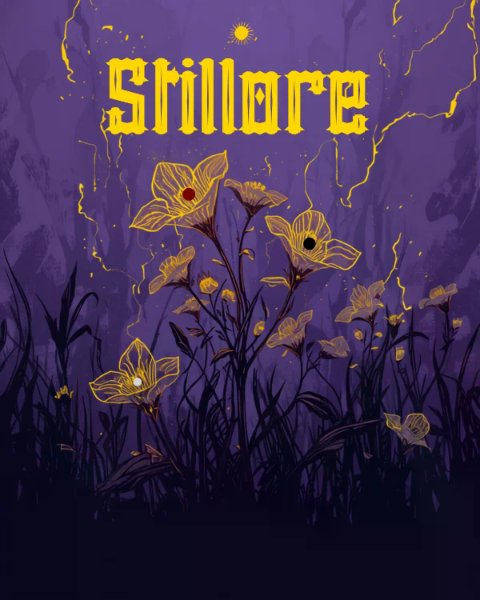
Genres: psychological, urban, mystery.
Read it here.
2. The Sky That Lied by Gin Raito
The question it plants: what is the sky hiding, and who sold the lie?
10.3-hour read · 44 chapters
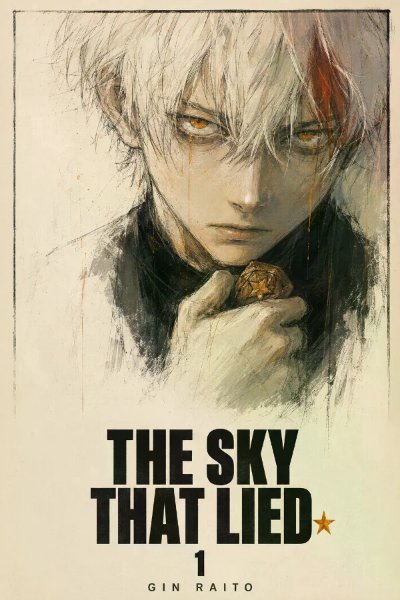
Genres: fantasy, psychological, mystery.
Read it here.
3. Rosetta's Last Stand by A. Valentino
The question it plants: why is this being here, and what does it want?
8.5-hour read · 47 chapters
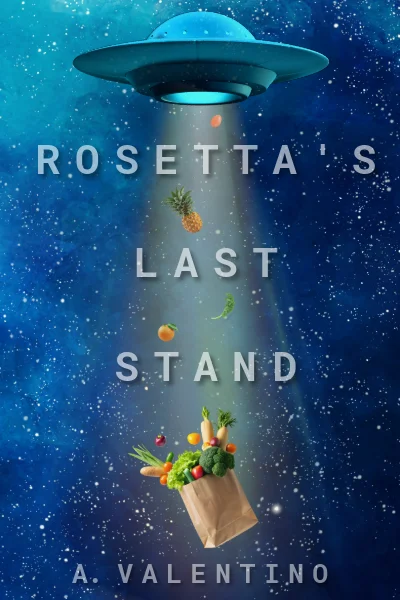
Genres: sci-fi, comedy, mystery.
Read it here.
4. Project: Psychic by code_sike
The question it plants: what is the hidden world, and why was Liam shown it?
4.8-hour read · 31 chapters
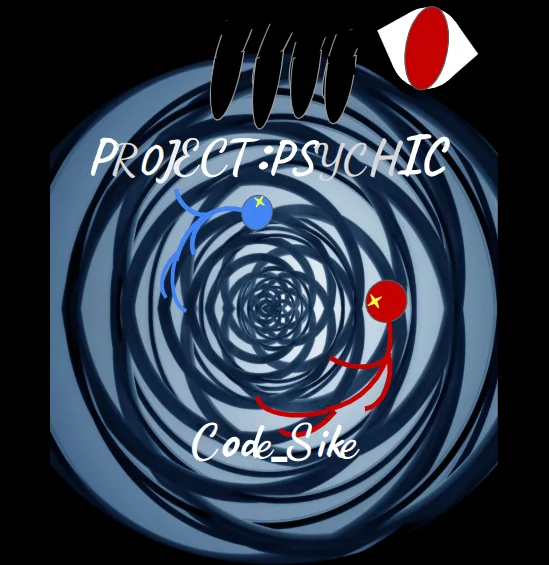
Genres: thriller, supernatural, mystery.
Read it here.
5. The Deceiver by wolfy4033
The question it plants: what did the word in the locket wake?
4.6-hour read · 25 chapters
Lucian's morning is pure street-level crime: haggling over a stolen silver cigarette case, working the docks, lifting whatever a distracted mark leaves exposed. Then one lift goes wrong in a way no pickpocket can plan for. The locket he stole carries a single word cut into it, his own trade, and reading it aloud draws the attention of something large enough to matter. By morning the man he robbed is dead. The fair-play shape here is the noir engine dressed in the supernatural: a working thief who knows the streets better than anyone, handed a mystery that does not play by street rules. The clues are small, physical, and visible, a monogram on a case, a word cut into stolen jewelry, which is exactly the game a fair mystery is supposed to play with its reader.
Genres: mystery, psychological, supernatural.
Read it here.
6. The Killer's Consultant [Kdrama Crime Thriller] by Feiya Phia
The question it plants: how does a fictional killer map onto a real murderer?
4.0-hour read · 29 chapters

Genres: thriller, crime, psychological.
Read it here.
7. Suicide Syndrome by ecafdeksam
The question it plants: these look like suicides, so why don't they add up?
3.1-hour read · 20 chapters
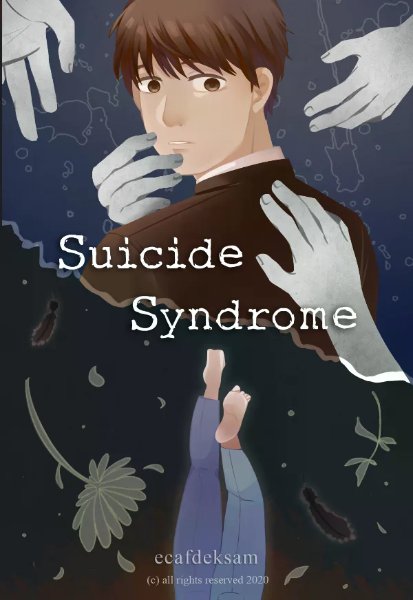
Genres: thriller, crime, mystery.
Read it here.
Why Serial Fiction Suits Mysteries Better Than Almost Any Genre
There is a reason the mystery was practically built for serialization, going back to Dickens and the penny dreadfuls: the form's weakness is also its strength. A mystery in a single volume is solved privately, between one reader and one book. A serialized mystery is solved collectively and in real time. Every chapter ends on a question, every gap between chapters fills with theories, and the author is writing toward an audience that is actively trying to beat them to the answer. That pressure produces fairer mysteries, because cheating is instantly detected and boring clues are instantly mocked.
The comment-driven dynamic also changes what a twist is allowed to be. In a standalone thriller a twist can be a trapdoor; in a serial it has to be a reframe, something that makes the previous forty chapters mean differently without contradicting them. The best examples on this list all work that way. Rosetta's real mission, the carved star under a lying sky, the string of suicides that is not what it looks like: each reveal reorganizes the story rather than just surprising it. It is the same quality we talked about in the context of unreliable narrators, where the reader's job is to notice that the story they are reading is not the story being told.
There is a craft reason to care about this even if you only read rather than write. The serial mystery is one of the few forms where you can watch fair-play clueing happen in public, chapter by chapter, and where the audience's theories are themselves part of the text. A mystery that can survive a hundred weekly predictions is one where the author genuinely outplanned the crowd. If you have ever wanted to study how a good mystery plants its answers, a live serial with an active comment section is a laboratory. And if you write, our guide to writing dialogue covers the interrogation-scene craft that mystery writers lean on hardest.
The Fair-Play Test, Applied
If you want a quick way to judge whether a mystery will honor the contract, there is a rough test you can run in the first few chapters. Watch for the story's first real clue and ask three questions. Did I see this before the detective did, or at the same time? If the answer is "after," the book is cheating by withholding. Does the clue point at the real answer, or was it planted purely to send you wrong? Honest clues can be misread, but they should never be irrelevant. And does the protagonist win by noticing something I could have noticed, or by knowing something I was never shown? The first is fair play; the second is a locked drawer.
The idea has rules with real lineage behind it. In 1928, S.S. Van Dine published twenty commandments for detective fiction, and the core of all twenty is one promise: the reader must have equal opportunity with the detective. No clues introduced at the last minute, no unaccountable intuitions, no secret twin. Ronald Knox's ten rules said much the same thing in politer language. Almost a century later the contract has not changed, only the packaging: a web serial runs the same bet chapter by chapter instead of book by book, which is why the genre fits serialization so naturally. Every installment either honors the reader's evidence pile or cheats it, and readers can feel which one happened even when they cannot name the rule. The modern proof is how widely the contract is tested: detective anime, crime K-dramas, cozy village sleuths, and sprawling fantasy conspiracies all run the same engine. The wrapper changes, the rules do not, which is exactly what makes the genre worth studying across formats. And unlike a novel you finish in a sitting, a serial lets a reader play detective in real time, matching theories against the comments between installments, which may be the closest the modern mystery gets to the magazine serials Van Dine's readers argued about a century ago.
None of this means a mystery has to be solvable to be good. Some of the best mysteries are not puzzles at all, and The Sky That Lied above is closer to atmospheric dread than a solvable puzzle. But the contract matters even in those cases. A reader who feels the author is hiding the ball will stop trusting the book, and a reader who trusts the book will forgive almost any twist. The picks here all share that quality: they treat the reader as a participant rather than a mark, which is what "playing fair" means in the end.
For more mysteries with the same DNA, browse the NovelDay library filtered by the mystery tag, or check the mystery genre page for the full catalog. Writers who want to try the form can start a serial on NovelDay's publishing page; you keep full rights and 100% of direct reader support.
Questions Mystery Lovers Ask
What does it mean for a mystery to "play fair"? A fair-play mystery gives the reader access to the same evidence the detective has, before the reveal. The clues are honest, the misdirection is about emphasis rather than locked drawers, and the twist recontextualizes what you already saw instead of introducing facts you could never have found. Christie codified the convention; the best serial mysteries still honor it because their readers are solving in public.
What is the difference between a mystery and a thriller? The question shape. A mystery asks "what happened?" or "who did this?" and moves toward an answer. A thriller asks "will they survive?" and moves toward a confrontation. Plenty of books do both, and The Killer's Consultant on this list is a good example: the investigation and the danger accelerate together. But the contract is different, which is why a thriller can get away with a protagonist who acts and a mystery cannot get away with a detective who withholds.
Are web novels a good place to find mystery fiction? Unusually good, for a structural reason. A serialized mystery is solved in the comments between chapters, which means the author cannot cheat, stall, or plant lazy clues without getting caught. The genre also rewards the serial format specifically: a mystery gains tension from anticipation, and a weekly chapter gives the reader time to theorize. The picks above are all original serials.
What are the different types of mystery novels? The big branches are the whodunit (a crime to solve), the conspiracy mystery (each answer widens the question), the identity mystery (the protagonist is the puzzle), and the world-mystery (the setting itself is wrong). Most good serials mix them. The Sky That Lied and Stillore are world-mysteries at different scales, Rosetta's Last Stand wraps the question in comedy, The Deceiver is a noir whodunit in supernatural clothes, and Suicide Syndrome is a straight police whodunit.
Do I need to read mystery novels in order? Usually yes for serials, and it matters more than in other genres. A mystery's pleasure is watching the clue web assemble, so skipping ahead spoils the actual mechanism, not just the ending. All seven picks above are meant to be read from chapter one.
What should I look for in a good mystery novel? Beyond fair play, watch for pacing and stakes. The best mysteries give each chapter a reason to exist: a new clue, a complication, a suspect who turns out to matter. They also let the reader do some of the work, which is why the genre rewards attention rather than speed. If a mystery makes you want to reread earlier chapters to catch what you missed, it is doing its job.